

5 Simple Things You Can Do Today to Protect Your Hearing
June 26, 2026Your hearing connects you to the moments that matter—conversations with loved ones, your favorite music, and the sounds of everyday life. The good news? Protecting your hearing doesn’t require a major lifestyle overhaul.
Whether you’re trying to prevent hearing loss, manage early changes, or support a loved one, these five practical tips can make a meaningful difference.

1. Turn Down the Volume (and Take Listening Breaks)
One of the most common causes of hearing loss is prolonged exposure to loud sounds—and many of us experience it daily without realizing it.
Everyday noise risks include:
- Listening to music or podcasts at high volume through headphones or earbuds
- Watching TV at louder-than-needed levels
- Using power tools, lawn equipment, or loud household appliances
A helpful rule of thumb is the 60/60 rule: listen at no more than 60% of maximum volume for no longer than 60 minutes at a time when using headphones or earbuds.
If someone standing next to you can hear your audio, it’s likely too loud.
Hearing-friendly habit: Give your ears regular “quiet breaks” throughout the day to let them recover.

2. Wear Hearing Protection in Noisy Environments
You don’t have to work in construction or attend rock concerts to be exposed to damaging noise levels. Everyday activities like mowing the lawn, attending sporting events, or using power tools can reach volumes that strain your hearing.
Protective options include:
- Foam or reusable earplugs
- Noise-reducing earmuffs
- Musician or high-fidelity earplugs (which lower volume without distorting sound quality)
Pro tip: Keep earplugs in your car, bag, or toolbox so you’re never caught unprotected. Protecting your hearing now can help prevent noise-induced hearing loss later—and that’s something you’ll thank yourself for.
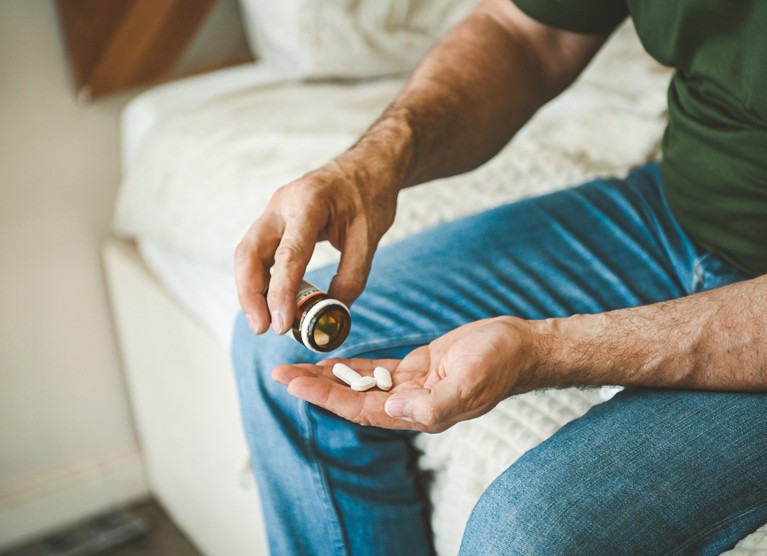
3. Be Mindful of Medications That Can Affect Hearing
Some medications—known as ototoxic drugs—can impact hearing or balance, especially when taken long-term or at high doses. These may include certain:
- Antibiotics
- Chemotherapy drugs
- High-dose aspirin or NSAIDs
This doesn’t mean you should stop taking prescribed medications, but it does mean being informed and proactive.
What you can do today: If you notice ringing in your ears (tinnitus), dizziness, or changes in hearing after starting a new medication, talk to your health care provider or a hearing care professional right away.

4. Prioritize Overall Health (Your Ears Are Connected!)
Your hearing health is closely tied to your overall wellness. Conditions such as diabetes, cardiovascular disease, and high blood pressure can affect blood flow to the inner ear, increasing the risk of hearing loss.
Healthy habits that support hearing include:
- Staying physically active
- Managing chronic conditions with your provider’s guidance
- Eating a balanced, nutrient-rich diet
- Avoiding smoking
Encouraging reminder: Taking care of your body is also taking care of your ears. Small lifestyle changes can have a big impact over time.
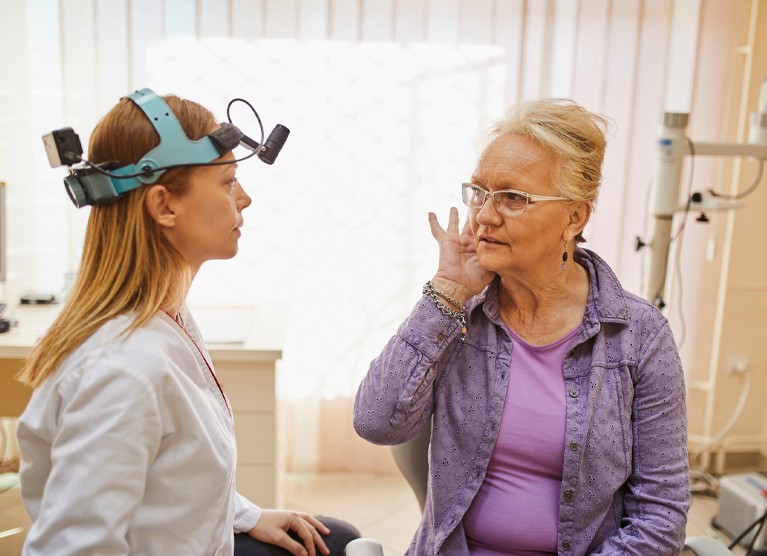
5. Get Your Hearing Checked—Even If You Think It’s “Fine”
Hearing loss often happens gradually, making it easy to overlook early warning signs. Many people wait years before seeking help, missing the opportunity to address changes early.
A baseline hearing check can:
- Detect subtle hearing changes you may not notice yet
- Provide peace of mind
- Help you take proactive steps to protect your hearing
Today’s action step: Schedule a hearing screening with a hearing care professional—especially if you’re over 50, have a family history of hearing loss, work in noisy environments, or frequently turn up the volume on TV or devices.
At Beltone, our hearing care professionals are here to listen, educate, and guide you. No pressure—just support.

Why Hearing Protection Matters More Than You Think
Hearing loss doesn’t just affect your ears. Research has shown links between untreated hearing loss and:
- Social isolation and withdrawal
- Increased listening fatigue and stress
- Cognitive decline and memory challenges
Protecting your hearing today helps support your communication, confidence, and overall quality of life tomorrow.
Start Protecting Your Hearing—One Small Step at a Time
You don’t have to do everything at once. Even one positive change—turning down the volume, wearing ear protection, or scheduling a hearing check—puts you on the path to better hearing health.
Your hearing is worth protecting. And with the right care and support, it’s possible to keep enjoying the sounds that matter most.
Ready to take the next step? Find a Beltone hearing care professional near you and schedule a free hearing screening* today.

Take Online Hearing Test
Take our free at-home hearing loss test as a first step on your journey to better hearing.
