

What Is Cauliflower Ear? Causes, Signs, and Treatment
October 26, 2026 Experiencing an ear injury or noticing changes in the shape of your ear can naturally cause concern. When blunt trauma to the side of the head results in rapid swelling and pain, it is easy to wonder what exactly is happening and how it might impact your hearing health long-term. One of the most common physical deformities resulting from this type of trauma is known as cauliflower ear.
Often associated with athletes, particularly wrestlers and martial artists, cauliflower ear is a condition that extends far beyond a simple cosmetic issue. It represents a specific type of tissue damage that, if left untreated, can lead to permanent deformity and even present challenges to your hearing. This guide is designed to explain exactly what cauliflower ear is, what causes it, how you can recognize the early warning signs, and what treatment methods are available.
What Is Cauliflower Ear?
To understand cauliflower ear, it helps to first look at the basic anatomy of the external ear. The flexible, visible part of your ear is primarily made up of cartilage, rather than bone. This cartilage is what gives the outer ear its unique, ridged shape, allowing it to efficiently capture sound waves and funnel them into the ear canal.
Unlike other tissues in the human body, ear cartilage does not have its own internal blood supply. Instead, it relies entirely on a tightly attached overlying layer of skin and connective tissue called the perichondrium. The perichondrium delivers all the vital nutrients and oxygen that the cartilage needs to survive and maintain its structure.
Cauliflower ear, medically referred to as an auricular hematoma, occurs when the blood supply to that cartilage is disrupted. When the outer ear suffers blunt trauma, the skin and the perichondrial layer can be forcibly separated from the underlying cartilage. This separation creates an empty pocket, which quickly fills with blood and fluid, forming a clot or hematoma.
If this blood clot is not drained, the underlying cartilage is starved of its blood supply. Without vital nutrients, the cartilage tissue begins to die. As the body attempts to heal the damage, it produces new fibrous tissue. Over time, this mixture of damaged cartilage and new scar tissue hardens into a lumpy, irregular shape that permanently resembles the surface of a cauliflower. While the term "cauliflower ear" describes the final, permanent deformity, the condition actually begins with the initial fluid buildup.

What Causes Cauliflower Ear?
The primary cause of cauliflower ear is sudden blunt trauma or severe friction applied directly to the outer ear. This type of injury forcefully pulls the skin away from the cartilage, setting off the chain reaction of fluid buildup and tissue damage.
Because of the high risk of physical contact to the head, this condition is most frequently seen in athletes who participate in high-impact contact sports. In fact, the condition is so common in the grappling world that it is often colloquially called "wrestlers ear." However, wrestlers are not the only ones at risk. Martial artists, rugby players, boxers, and mixed martial arts (MMA) competitors frequently experience the shearing forces that lead to an auricular hematoma.
The injury typically happens in one of two ways:
- Direct Impact: A hard, sudden blow to the ear, such as a localized strike or a collision with another player or the ground.
- Friction and Shearing: Repeated, aggressive rubbing of the ear against a surface, such as a wrestling mat or an opponent's uniform. This intense friction physically tears the layers of skin away from the cartilage beneath.
While sports-related incidents account for the vast majority of cases, cauliflower ear can also result from everyday accidents. Falls, bicycle collisions, car accidents, or any situation where the ear receives a significant, forceful blow can cause the delicate perichondrium to detach. Furthermore, high-level cartilage piercings that become severely infected can sometimes cause similar structural damage, though this is less common than blunt trauma.
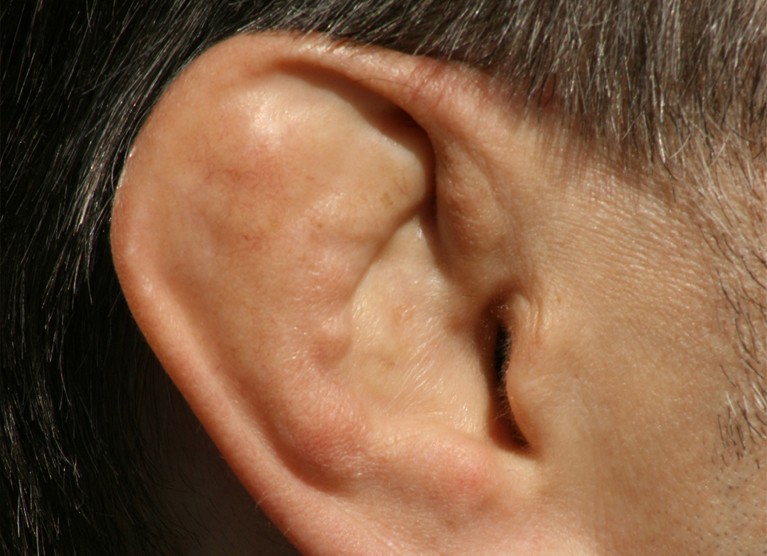
Recognizing the Early Signs: How Do You Know a Cauliflower Ear Is Forming?
Timing is critical when dealing with an ear injury. Because ear cartilage can begin to die within a matter of hours after losing its blood supply, recognizing the early signs of an auricular hematoma can make the difference between a quick recovery and a permanent deformity.
How fast does a cauliflower ear form? The initial swelling happens very rapidly. Fluid and blood will typically fill the pocket between the skin and the cartilage within minutes to hours following the blunt trauma.
If you or someone you care about has recently taken a hit to the ear, watch closely for the following early symptoms:
- Pronounced Swelling: The natural ridges of the outer ear, particularly the inner ridge known as the antihelix, will lose their definition as a smooth, rounded pocket of fluid builds up.
- Skin Discoloration: The affected area will often turn red, purple, or bruised as blood pools beneath the surface.
- Throbbing Pain: The pressure from the trapped fluid causes significant discomfort, making the ear highly sensitive to the touch.
- A Feeling of Fullness or Warmth: The localized pooling of blood can cause the ear to feel warm and uncomfortably full.
At this early stage, the condition is simply a hematoma, a pocket of liquid blood. It is highly treatable, and the ear will likely still feel soft to the touch. However, if left untreated for several days, the trapped blood will begin to clot, and the body will start depositing hard scar tissue. Once the tissue hardens into a cauliflower-like shape, the early symptoms of pain and swelling may subside, but the physical deformity becomes permanent.
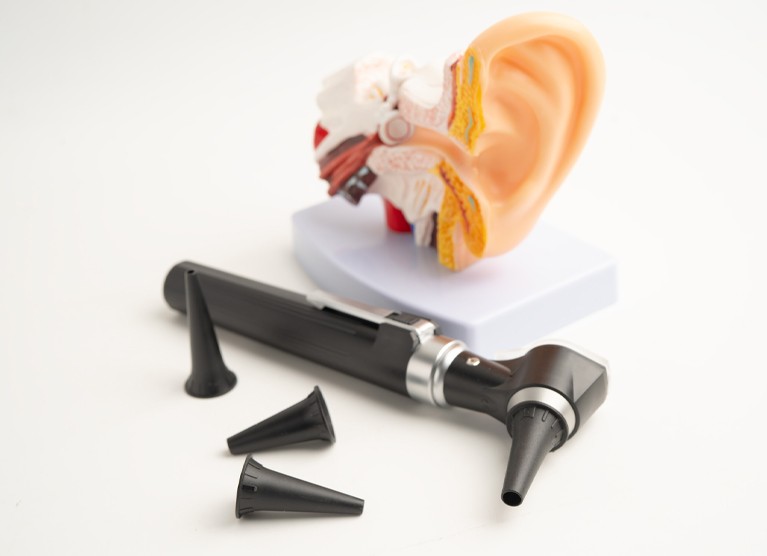
The Connection Between Ear Injuries and Hearing Loss
When evaluating any ear trauma, a primary concern is how the injury might impact your hearing health. Hearing loss is a deeply personal experience that can affect how you connect with the world and your loved ones. While cauliflower ear primarily damages the external structure of the ear, it can absolutely have secondary effects on your hearing if not managed properly.
Your outer ear acts as an acoustic funnel, capturing sound waves from your environment and directing them into your ear canal. If the external ear suffers a severe permanent deformity, its acoustic properties can change, potentially making it slightly more difficult to capture sound efficiently.
More pressingly, the severe swelling associated with an active auricular hematoma can physically block the opening of the ear canal. This blockage prevents sound waves from reaching the eardrum, resulting in a temporary, conductive hearing loss. Patients often describe this sensation as feeling like their ear is plugged or muffled. While this type of hearing loss usually resolves once the swelling is reduced, navigating the world with impaired hearing can be disorienting and stressful.
Additionally, an untreated ear injury runs a high risk of developing a severe infection. If a hematoma becomes infected, bacteria can spread deeper into the ear canal or surrounding tissues. Severe infections can cause permanent damage to the delicate mechanisms of the middle and inner ear, elevating the risk of long-term hearing challenges.
Understanding your hearing loss or any potential risk to your hearing health is a vital part of your overall wellness journey. Addressing an ear injury promptly ensures that you remove these temporary barriers and protect your long-term ability to stay engaged in the conversations and activities you love.
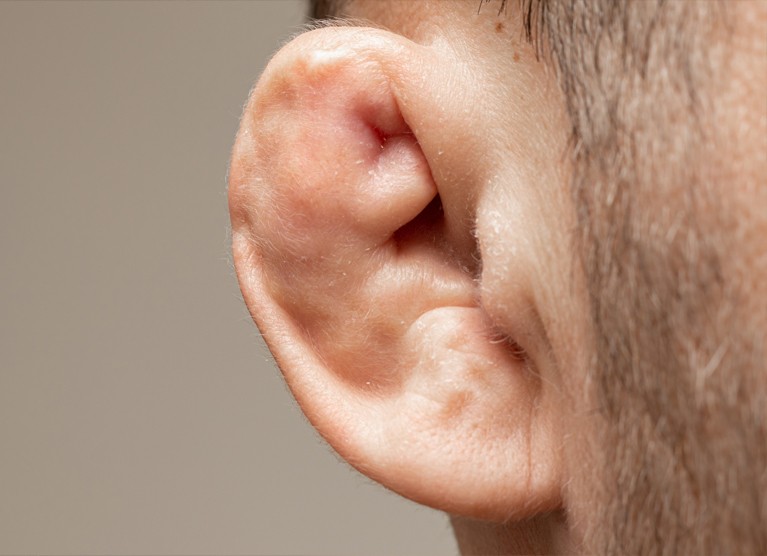
Treatment Options: How Medical Professionals Fix Cauliflower Ear
If you suspect you are developing a cauliflower ear, the most important step you can take is to seek evaluation from a medical professional immediately.
A very common and dangerous misconception is the idea that you can manage this condition at home. Many people ask, "Can I drain a cauliflower ear at home?" The answer is a definitive no. Attempting to drain the fluid yourself using non-sterile needles or equipment introduces a massive risk of severe infection. Because the ear cartilage already has a compromised blood supply, it is exceptionally vulnerable to bacterial infections, which can destroy the remaining healthy tissue and worsen the deformity.
When you visit a medical professional, they will utilize sterile, proven treatment methods to restore the blood supply and preserve the shape of your ear. Depending on the size and severity of the injury, treatment options generally fall into two categories:
1. Needle Aspiration and Incision
For an early-stage hematoma where the blood is still in a liquid state, a doctor may perform a needle aspiration. This involves using a sterile needle to draw the pooled blood out of the pocket. If the blood has begun to clot and thicken, the doctor may instead make a small incision to manually clear the fluid and flush the area to prevent infection.
2. Postprocedural Compression
Draining the fluid is only the first step. If the ear is simply drained and left alone, the empty pocket will almost immediately refill with blood. To prevent this, the medical professional will apply a compressive dressing. This might involve tightly wrapping the head, or sometimes stitching specialized dental rolls or silicone splints directly onto the front and back of the ear. This continuous pressure presses the skin firmly back against the cartilage, closing the empty space and allowing the perichondrium to reconnect and resume its vital blood flow.
Surgical Correction for Permanent Deformity
If the injury was left untreated and the cartilage has already died and hardened into scar tissue, draining is no longer an option. In these cases, the deformity is permanent unless you undergo surgical correction. A procedure known as an otoplasty can be performed by a plastic surgeon or an ear, nose, and throat specialist. During an otoplasty, the surgeon carefully shaves down the hardened scar tissue and attempts to reconstruct the natural contours of the ear.

Prevention: Protecting Your Ears On and Off the Mat
The best treatment for cauliflower ear is preventing it from happening in the first place. You do not have to give up the sports or activities you love, but taking proactive steps to protect your physical health is vital.
If you or a loved one participates in wrestling, martial arts, or other high-impact contact sports, wearing proper protective headgear is non-negotiable. Modern athletic headgear is specifically designed to cushion the ears against blunt trauma and drastically reduce the shearing forces that tear the skin away from the cartilage.
To get the most out of protective headgear, ensure it fits snugly. If a helmet or ear guard is too loose, it can shift during competition, potentially causing the exact friction it was designed to prevent. Consistently wearing this equipment during both live competition and routine practice is the most reliable way to prevent sports-related ear trauma.
Furthermore, fostering an environment where injuries are taken seriously is essential. Athletes should be encouraged to report ear pain or swelling immediately, rather than "toughing it out." Early intervention stops a minor hematoma from becoming a permanent deformity.
Beltone and the Importance of Regular Hearing Checkups
Cauliflower ear is easy to notice because it changes the shape of the outer ear. What may be less obvious is how ear changes, injury, or ongoing tenderness could affect hearing over time. If you wrestle, box, play rugby, train jiu-jitsu, or support someone who does, it helps to think about hearing health as part of the bigger picture.
If hearing changes are making daily life harder, like missing parts of conversations, turning up the volume, or feeling less comfortable in noisy places, a regular hearing checkup can help. It offers a clearer understanding of what you are experiencing and what support may fit your needs.
Ready to Take the Next Step?
Regular checkups can also help you stay connected to the people and activities that matter most. For athletes, coaches, parents, and others involved in contact sports, paying attention to hearing health can be especially important when ear concerns are part of the conversation.
Schedule a hearing appointment today and take the first step toward comfortable, confident hearing.
Frequently Asked Questions (FAQ)
The information provided in this blog post is for educational and informational purposes only and does not constitute medical advice. Ear injuries and hearing loss are serious health concerns. Always consult your health care provider, an audiologist, or a qualified medical professional before making any decisions about your health, treatment plans, or hearing care solutions.

Online Hearing Test

Book Your Free Appointment

Reviewed By
Kathy McGowan, AuD CCC-A, Doctor of Audiology
Kathy McGowan is the Manager of Managed Care Programs with Beltone Corporation . Kathy worked with the Professional Development Training Team as well as the Operations Team and Beltone Corporate Retail for 8 years before being promoted to her current position. Prior to joining Beltone Corporate, Kathy worked for 10 years as an Audiology Manager in a private practice. She has worked in many settings as an Audiologist including an ENT practice, a hospital, an Optical and Hearing Company, and in the Military, retiring as a LtCol. Kathy earned her Bachelor’s in Speech and Hearing and Master’s in Audiology from Ohio University in Athens, Ohio, and went on to receive her Audiology Doctorate from A.T. Still University School of Health Sciences. Kathy is currently licensed in seven states.