

Eustachian Tube Dysfunction: Symptoms, Causes, Relief
August 18, 2026 Changes in hearing or a lasting feeling of ear pressure can be unsettling. If sounds seem muffled or your ears feel like they need to pop but will not, eustachian tube dysfunction may be the cause. It is a common, often temporary condition—and understanding it is the first step toward finding relief.
This guide explains what the eustachian tube does, why it can become blocked, and how changes in middle ear pressure affect hearing. It also covers common relief options so you can better understand your symptoms and know when to seek care.

What is the Eustachian Tube?
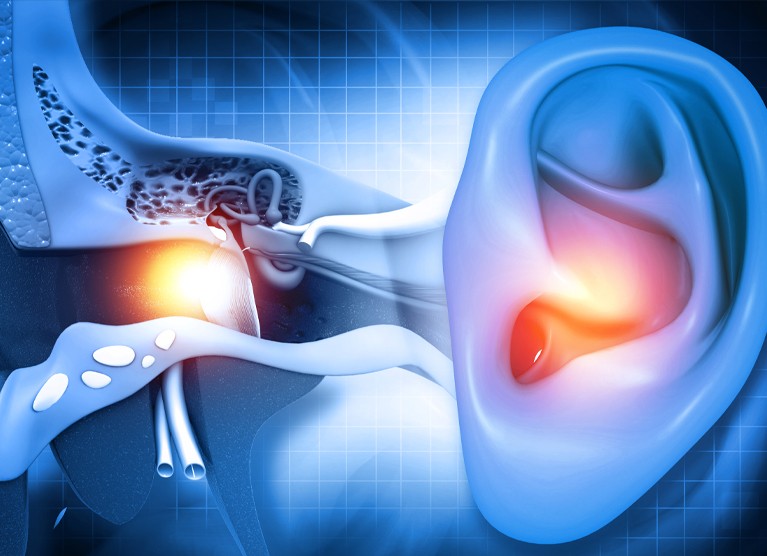
To understand eustachian tube dysfunction, it is helpful to first look at the anatomy of the ear. The eustachian tube is a narrow, tunnel-like passageway made of bone and flexible cartilage. It connects the middle ear—the small, air-filled space located directly behind your eardrum—to the very back of your throat and upper nasal cavity.
Even though it is small, the eustachian tube performs three critical functions that keep your ears healthy and your hearing clear:
- Regulates air pressure: For your eardrum to vibrate naturally and transmit sound waves effectively, the air pressure inside the middle ear must exactly match the air pressure in your surrounding environment. The eustachian tube opens slightly when you swallow, chew, or yawn, allowing a tiny bubble of air to enter the middle ear and balance this pressure.
- Clears fluids: The middle ear naturally produces moisture, and the eustachian tube acts as a drainage canal, directing this fluid safely down into the back of the throat.
- Helps protect the middle ear from secretions and pressure changes from the nose and throat. It normally stays closed and opens briefly when you swallow, yawn, or chew. The Eustacian Tube is not primarily a bacteria-blocking barrier. The Eustachian tube normally stays closed, which helps limit movement of germs and secretions from the nose/throat into the middle ear. Its lining also has mucus and tiny cilia that help clear material away. However, during colds, allergies, or sinus/nasal infections, swelling can block the tube or allow bacteria/viruses to reach the middle ear. That can contribute to a middle-ear infection (otitis media).
Most of the time, the eustachian tube remains closed, opening for only a fraction of a second to do its job. When you ride in an elevator, take off in an airplane, or drive up a steep mountain, the sudden change in environmental air pressure causes your ears to feel full. When you swallow or yawn and feel a subtle pop, that is your eustachian tube opening to equalize the pressure, instantly restoring your comfortable hearing.
What is Eustachian Tube Dysfunction?
Eustachian tube dysfunction, frequently referred to as ETD, occurs when this small passageway fails to open and close properly. When the tube cannot perform its essential duties, air pressure becomes trapped and fluid can begin to accumulate in the middle ear space.
The most common form is obstructive eustachian tube dysfunction. This happens when the tube becomes inflamed, swollen, or filled with mucus, preventing it from opening at all. Because the tube cannot open to let fresh air in, the existing air inside the middle ear is eventually absorbed by the surrounding tissues, creating a tiny vacuum. The negative pressure pulls the eardrum inward, stretching it tight and preventing it from vibrating naturally when sound waves hit it.
There is also a less common variation known as a patulous eustachian tube, where the tube remains constantly open rather than staying closed. People experiencing this often deal with autophony—their own voice, breathing, and even heartbeat sound uncomfortably loud or echo-like inside their head. Whether the tube is stuck closed or stuck open, recognizing the symptoms is a positive first step toward working with a healthcare professional to identify the right treatment.
Recognizing the Symptoms of Eustachian Tube Dysfunction
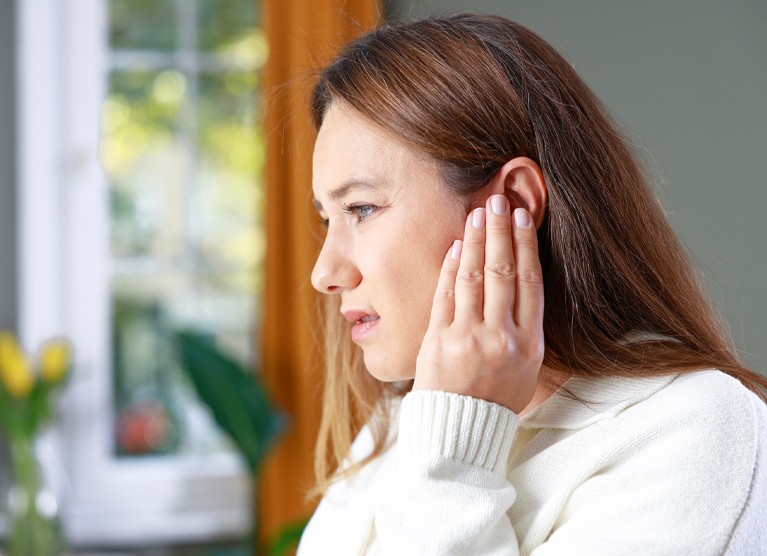
The symptoms of eustachian tube dysfunction can vary from mild annoyance to more pronounced discomfort, depending on how severely the passageway is blocked and how long the condition has lasted. Because this condition directly impacts the eardrum, symptoms are primarily centered around your hearing and physical sensations inside your ear.
- A feeling of fullness or pressure is often the most noticeable symptom. Many people say it feels like their ear is stuffed with cotton or as if they are underwater. Even after swallowing or yawning, that relieving "pop" may not happen.
- Muffled hearing or temporary hearing changes are also common. When pressure builds, sounds can seem distant or unclear, and conversations may take more effort to follow.
- Ear pain can range from a dull ache to sharper discomfort, especially during altitude changes.
- Clicking, popping, or crackling sounds in your ear when you swallow.
- Tinnitus—a ringing, buzzing, or roaring sound in the affected ear.
If you are noticing these symptoms, it is reassuring to remember that they are generally the result of a mechanical blockage rather than permanent damage to your auditory system. Once the pressure is resolved and the eustachian tube functions properly again, these symptoms typically subside.
Common Causes and Risk Factors
Eustachian tube dysfunction is rarely a standalone issue. It is almost always triggered by another common health event that causes inflammation or excess mucus in the nasal passages and throat. Because the lining of the eustachian tube is similar to the lining of the nasal cavity, anything that irritates your nose will likely irritate the tube as well.
- Allergies are a leading cause of ETD. Seasonal allergens like pollen, as well as indoor triggers like pet dander or dust mites, cause the nasal tissues to swell and produce extra mucus that can block the narrow passageway.
- Upper respiratory infections—including the common cold, influenza, and sinus infections—cause significant inflammation and congestion. In some cases, a middle ear infection (otitis media) can develop if fluid becomes trapped behind the eardrum.
- Environmental changes such as rapid altitude changes during air travel, scuba diving, or driving through mountainous terrain can overwhelm the eustachian tube, especially if you already have mild congestion.
- Anatomical factors can also play a role. Children are particularly prone to ETD because their eustachian tubes are narrower and oriented more horizontally than in adults. Additionally, enlarged adenoid glands can physically block the opening of the eustachian tubes.

How Eustachian Tube Dysfunction Affects Your Hearing
Experiencing a sudden change in your hearing can be deeply concerning, but understanding the mechanics behind it can offer peace of mind. Hearing relies on a chain reaction—sound waves travel down the ear canal, strike the eardrum, and cause it to vibrate, sending sound through three tiny bones in the middle ear and onward to the inner ear and brain.
Eustachian tube dysfunction creates negative air pressure that pulls the eardrum tightly inward, essentially locking it in place. When sound waves hit a rigid eardrum, they bounce off rather than passing through. This creates a conductive hearing loss—meaning the sound is physically blocked from conducting its way into the inner ear. If fluid also accumulates in the middle ear space, it creates an even thicker barrier, further dampening your hearing.
This type of hearing loss can make you feel disconnected from your environment. You might find yourself turning up the television volume or asking family members to repeat themselves. However, because this hearing loss is caused by a physical obstruction rather than damage to the delicate inner ear nerves, it is almost always temporary. Resolving the eustachian tube dysfunction removes the blockage, releases the eardrum, and restores your hearing.
Getting a Diagnosis: When to See a Professional
If your symptoms last more than a week or two, or if you are experiencing severe ear pain, it is a good idea to seek guidance from a hearing care professional or health care provider. A general practitioner can evaluate your ears, but they may refer you to an otolaryngologist—an ear, nose, and throat specialist—for more chronic issues.
The diagnostic process is gentle and focused on understanding the current state of your middle ear. The provider will typically start with an otoscopy, using a small, lighted instrument to look inside your ear canal and check the eardrum for signs of inflammation or fluid. Another common and painless test is tympanometry, which gently changes the air pressure at the ear canal opening and measures how well your eardrum moves in response. If the eardrum does not move easily, it confirms uneven pressure or fluid in the middle ear, pointing directly to eustachian tube dysfunction.

Treatment Options and Home Remedies for ETD
The goal of treating eustachian tube dysfunction is to reduce inflammation, clear away mucus, and coax the passageway open so that middle ear pressure can normalize. Treatments range from simple techniques you can do at home to targeted medical procedures for more stubborn, long-term blockages.
Home Remedies and Gentle Maneuvers
For mild symptoms or altitude-related pressure, gentle physical maneuvers are often enough. Swallowing frequently, drinking water, or chewing gum can engage the muscles that open the eustachian tube. Yawning widely is also highly effective.
If those do not work, you can try the Valsalva maneuver—take a deep breath, pinch your nostrils tightly closed, close your mouth, and gently blow air out as if you are trying to blow your nose. It is important to blow very gently to avoid damaging the eardrum. When done correctly, this forces a small amount of air up the back of the throat and into the eustachian tubes, creating a relieving pop. Applying a warm compress to the side of your face and ear can also soothe discomfort and help loosen congestion.
Over-the-Counter Solutions
If allergies or a cold are the root cause, addressing the congestion will often resolve the ear pressure. Over-the-counter decongestant pills or nasal sprays can reduce swelling in the nasal passages and the eustachian tube. Saline nasal sprays help flush out thick mucus and irritants. If seasonal allergies are to blame, taking an antihistamine can prevent the allergic reaction that causes the swelling in the first place. Always consult with a health care professional or pharmacist before starting new medications.
Medical Interventions for Chronic Eustachian Tube Dysfunction
When ETD lasts for months or does not respond to at-home care, it is considered chronic eustachian tube dysfunction. At this stage, an ear, nose, and throat specialist can offer several highly effective solutions.
- Prescription corticosteroid nasal sprays are frequently prescribed to deliver strong anti-inflammatory medication directly to the affected tissues.
- Ear tubes (myringotomy): For persistent fluid buildup and hearing loss, a doctor might recommend placing ear tubes through a minor procedure. A tiny incision is made in the eardrum to drain the fluid, and a microscopic tube is placed in the hole to act as an artificial eustachian tube, allowing air to ventilate the middle ear until the natural passageway heals.
- Eustachian tube balloon dilation (tuboplasty): A newer and very successful minimally invasive procedure where a doctor guides a small, uninflated balloon through the nose and into the eustachian tube. The balloon is gently inflated for a few seconds to stretch the tube wide, then deflated and removed—reshaping the passageway and providing long-term relief.
Summary: Key Takeaways
Understanding your hearing health helps you make informed choices about your care. Here is a brief summary of the key terms and concepts related to eustachian tube dysfunction:
- Eustachian Tube: A small passage connecting the middle ear to the back of the throat. It regulates air pressure, drains fluid, and protects the ear.
- Middle Ear: The small space behind the eardrum. It needs to be filled with air at the correct pressure for you to hear clearly.
- Eustachian Tube Dysfunction (ETD): A condition where the tube becomes blocked by swelling or mucus, leading to uneven pressure, fluid buildup, and muffled hearing.
- Valsalva Maneuver: A simple at-home technique to open the eustachian tube by gently blowing outward while pinching the nose closed.
- Tympanic Membrane: The medical term for the eardrum, which vibrates to conduct sound. ETD stretches the eardrum, causing temporary hearing loss.
- Balloon Dilation: A gentle medical procedure that uses a small balloon to stretch and open a chronically blocked eustachian tube.
Ready to Take the Next Step?
If you have been experiencing ear pressure, muffled hearing, or any of the symptoms described in this guide, a professional hearing evaluation is a simple, painless first step toward clarity and comfort. Your hearing care partner is ready to guide you every step of the way.
Schedule a hearing appointment today and take the first step toward comfortable, confident hearing.
Frequently Asked Questions (FAQ)
This article is for informational purposes only and does not constitute medical advice. Always consult your hearing care professional or primary health care provider before making decisions about your health.

Online Hearing Test

Book Your Free Appointment

Reviewed By
Kathy McGowan, AuD CCC-A, Doctor of Audiology
Kathy McGowan is the Manager of Managed Care Programs with Beltone Corporation . Kathy worked with the Professional Development Training Team as well as the Operations Team and Beltone Corporate Retail for 8 years before being promoted to her current position. Prior to joining Beltone Corporate, Kathy worked for 10 years as an Audiology Manager in a private practice. She has worked in many settings as an Audiologist including an ENT practice, a hospital, an Optical and Hearing Company, and in the Military, retiring as a LtCol. Kathy earned her Bachelor’s in Speech and Hearing and Master’s in Audiology from Ohio University in Athens, Ohio, and went on to receive her Audiology Doctorate from A.T. Still University School of Health Sciences. Kathy is currently licensed in seven states.