
Causes of Ear Pain and How to Treat It
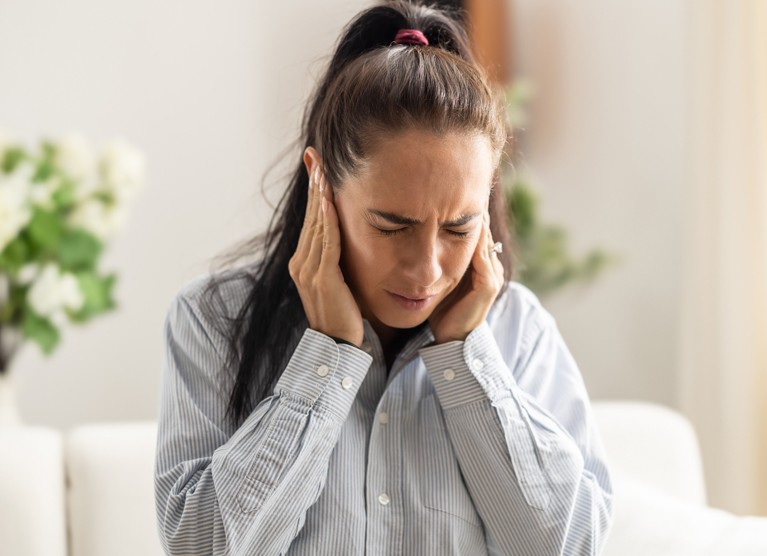
September 20, 2026 Ear pain can be hard to ignore. Maybe it's a dull ache that's been bothering you all day, a sharp pain that seemed to come out of nowhere, or a feeling of pressure that just will not go away. Whatever it feels like, you are probably wondering: why does my ear hurt?
The answer is not always obvious. Ear pain can have many causes, from an ear infection or built-up earwax to sinus pressure, jaw problems, or even a toothache. Let's take a closer look at some of the most common causes of ear pain, what you can do for relief, and when it might be time to talk to a hearing care professional.
Common Causes of Ear Pain
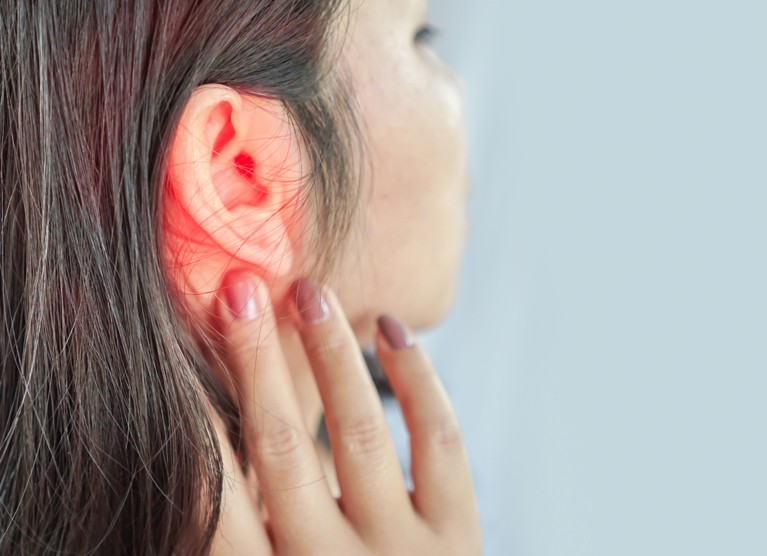
Ear pain does not always mean there is something wrong inside the ear itself. Because the ears share nerve pathways with nearby areas like the jaw, teeth, and throat, pain can sometimes travel or feel like it is coming from somewhere it is not. Here are some of the most common reasons your ear might hurt:
1. Ear Infections
Ear infections are one of the better-known causes of ear pain. A middle ear infection develops in the space behind the eardrum, often after a cold, flu, or other respiratory illness causes swelling and fluid buildup. Although ear infections are especially common in children, adults can get them too.
Along with ear pain, you may notice:
- Pressure or fullness in the ear
- Trouble hearing
- Fluid draining from the ear
- Fever
- Headache
- Balance problems
Children may also tug at their ears, have trouble sleeping, become unusually fussy, or respond less consistently to sounds.
Not every ear infection requires antibiotics, so it is important to have ongoing or severe symptoms evaluated rather than trying to diagnose the problem yourself.
2. Swimmer's Ear
Did your ear pain start after swimming, bathing, or spending time in the water? Swimmer's ear could be the culprit. Swimmer's ear is an infection of the outer ear canal that can develop when moisture stays trapped inside the ear, creating an environment where bacteria can grow.
Common symptoms include:
- Pain when touching or pulling on the outer ear
- Itching inside the ear
- Redness or swelling
- Drainage from the ear
Swimmer's ear often requires prescription ear drops, so contact a health care provider if you think you may have it. And resist the urge to reach for a cotton swab—putting objects inside the ear can irritate the ear canal, push wax deeper, or even cause injury.
3. Earwax Buildup
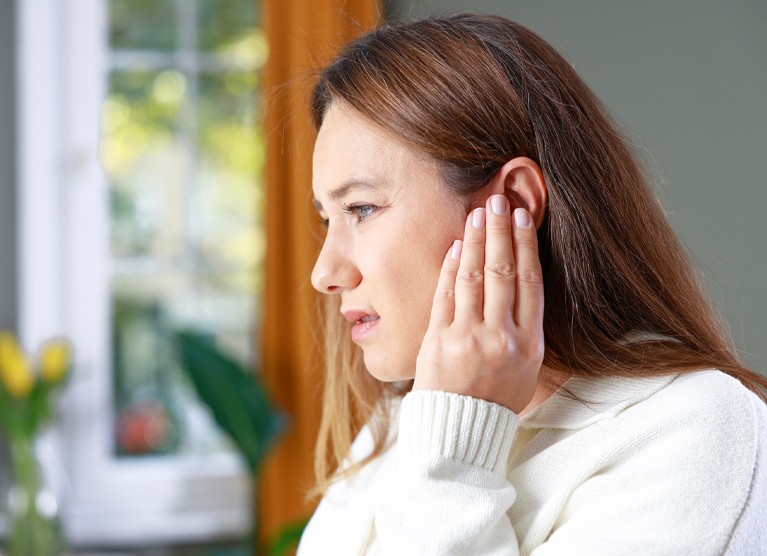
A plugged-up, painful ear? Earwax could be to blame. Earwax normally helps protect your ears, but sometimes too much can build up and block the ear canal.
In addition to ear pain or discomfort, impacted earwax can cause:
- A feeling of fullness
- Muffled hearing
- Ringing in the ear
- Itching
It may be tempting to try to dig the wax out yourself, but cotton swabs and other objects can push it farther into the ear. If you suspect earwax is causing your symptoms, a professional can take a look and recommend the safest way to remove it.
4. Colds, Allergies, and Sinus Pressure
Ever notice your ears start bothering you when your nose is stuffed up? Your ears, nose, and throat are closely connected. Small passageways called Eustachian tubes help regulate pressure inside your middle ears. When you have a cold, allergies, or sinus congestion, those tubes can become swollen or blocked.
The result may be:
- Ear pain
- Pressure or fullness
- Popping or crackling sounds
- Muffled hearing
In some cases, fluid can also become trapped behind the eardrum and contribute to an ear infection.
5. Changes in Air Pressure
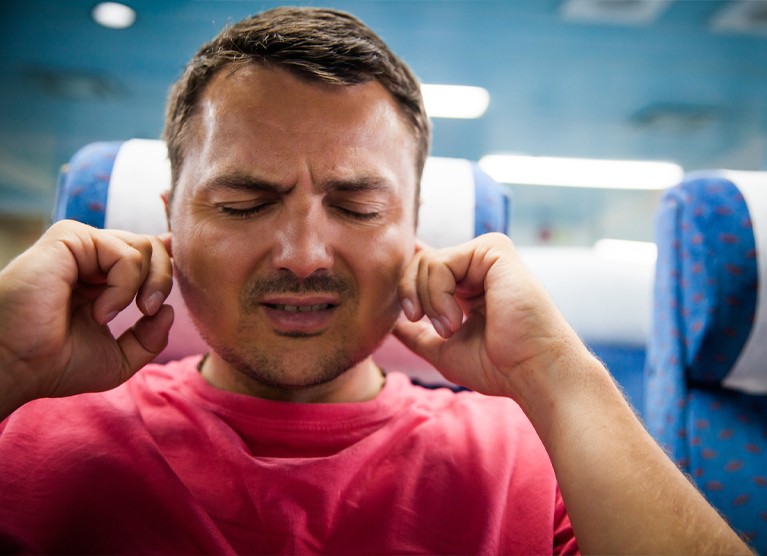
If your ears have ever hurt during airplane takeoff or landing, you have experienced pressure-related ear pain. Rapid changes in altitude can create a temporary pressure difference between your middle ear and the air around you. The same thing can happen while scuba diving.
Swallowing, yawning, or chewing gum can often help your ears adjust. If the pain is severe, does not improve after the pressure change is over, or is accompanied by significant hearing changes, it is worth getting checked out.
6. Jaw Problems
Here is one that might surprise you: sometimes ear pain is not coming from the ear at all. Your temporomandibular joints, or TMJs, sit just in front of your ears and allow your jaw to move when you talk, chew, and yawn. Problems with these joints can cause pain that feels remarkably similar to an earache.
Your jaw may be contributing to your ear pain if you also notice:
- Jaw tenderness or stiffness
- Clicking or popping when you move your jaw
- Pain while chewing
- Headaches
- Difficulty opening your mouth fully
Clenching or grinding your teeth can also contribute to jaw-related ear discomfort.
7. Dental or Throat Problems
A toothache, sore throat, or tonsillitis can sometimes cause pain that feels like it is coming from your ear. That is because the nerves in your ears are connected with other areas of your head and neck. When pain starts somewhere else but is felt in the ear, it is called referred pain.
If your ear pain comes with significant tooth pain, jaw swelling, persistent throat symptoms, or trouble swallowing, a medical or dental provider can help determine where the pain is actually coming from.
Common dental causes include:
- Tooth decay or an inflamed tooth nerve
- Dental abscess/infection
- Cracked tooth or damaged filling
- Wisdom-tooth inflammation or impaction
- Gum disease
- Teeth grinding or a jaw-joint (TMJ) problem

What Can You Do for Ear Pain at Home?
The best treatment for ear pain depends on what is causing it. But if your symptoms are mild, there are a few things you can try for temporary relief.
- Try a warm compress: Placing a warm cloth against the outside of the ear may help soothe discomfort.
- Rest and stay hydrated: This can be especially helpful if your ear pain is connected to a cold or other respiratory illness.
- Consider an over-the-counter pain reliever: Acetaminophen or ibuprofen may help manage discomfort when they are safe for you and taken according to package directions.
- Leave your ears alone: Avoid cotton swabs, fingers, or other objects inside the ear canal.
And be cautious with ear drops. Certain products may not be appropriate if you have a perforated eardrum, ear tubes, or drainage coming from the ear.
When Is Ear Pain a Sign You Should See a Hearing Care Professional?
A mild earache may sometimes go away on its own, especially when it is connected to temporary congestion or changes in air pressure. But some symptoms should not be ignored.
Contact a health care professional if you experience:
- Severe or worsening ear pain
- Pain that lasts more than a few days
- Fluid, pus, or blood draining from the ear
- Fever
- Noticeable hearing loss or muffled hearing
- Significant dizziness or balance problems
- Swelling around the ear
- An object stuck inside the ear
- Ear pain following an injury
Babies and young children may need medical attention sooner because they are not always able to explain what hurts or how they are feeling. If something is stuck in the ear, avoid trying to dig it out yourself, especially if there is bleeding or drainage, or the pain is severe.
Can Ear Pain Affect Your Hearing?
Sometimes. Fluid behind the eardrum, an ear infection, or impacted earwax can all make sounds seem quieter or muffled. In many cases, hearing improves once the underlying problem is treated. But if your hearing still seems different after the pain, congestion, or infection has cleared, it is worth paying attention.

A hearing evaluation can help determine whether there has been a lasting change in your hearing and what your next steps should be.
How Beltone Can Help
If your ear pain is accompanied by muffled hearing, ongoing fullness, or other hearing changes, Beltone's hearing care professionals are here to help. We can evaluate your hearing, listen to what you have been experiencing, and help determine whether additional hearing care may be appropriate. If your symptoms suggest a medical issue that needs attention first, we can also help point you toward the right next step.
Don't Ignore What Your Ears Are Telling You
Ear pain is common, but that does not mean you should simply put up with it. Whether the cause is an infection, earwax, sinus pressure, jaw trouble, or something else entirely, paying attention to your symptoms can help you know when it is time to get help.
Ready to Take the Next Step?
If ear pain has left you wondering whether your hearing has changed, we are ready to help you get answers.
Find your local Beltone and schedule a free hearing screening* today.
*Some restrictions and limitations may apply (including, without limitation, additional terms and conditions made available by Beltone from time to time, participating locations, and applicable professional service fees or other charges in connection with tests, evaluations, and/or screenings).
Note: This blog does not constitute medical advice. Always consult your primary health care provider before making decisions that could impact your health.

Online Hearing Test

Book Your Free Appointment

Reviewed By
Kathy McGowan, AuD CCC-A, Doctor of Audiology
Kathy McGowan is the Manager of Managed Care Programs with Beltone Corporation . Kathy worked with the Professional Development Training Team as well as the Operations Team and Beltone Corporate Retail for 8 years before being promoted to her current position. Prior to joining Beltone Corporate, Kathy worked for 10 years as an Audiology Manager in a private practice. She has worked in many settings as an Audiologist including an ENT practice, a hospital, an Optical and Hearing Company, and in the Military, retiring as a LtCol. Kathy earned her Bachelor’s in Speech and Hearing and Master’s in Audiology from Ohio University in Athens, Ohio, and went on to receive her Audiology Doctorate from A.T. Still University School of Health Sciences. Kathy is currently licensed in seven states.