

Ear Pain and Earache: Common Causes, Relief, and Care
September 20, 2026 Few things are as distracting and disruptive to your daily life as ear pain. Whether it is a dull, persistent ache that lingers in the background or a sharp, sudden discomfort that makes it difficult to concentrate, an earache can take a significant toll on your comfort and peace of mind. The good news is that most causes of ear discomfort are highly treatable.
If you are dealing with an earache or supporting a loved one through a sudden bout of ear pain, it is completely normal to feel a bit anxious. By understanding the common causes of ear pain, learning how to recognize ear infection symptoms, and knowing when to seek professional care, you can take control of the situation and find the relief you need.
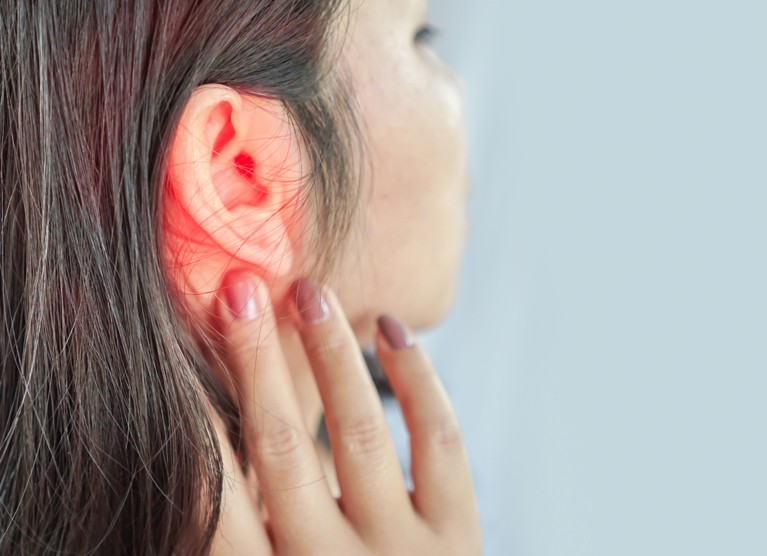
The Complex Nature of Ear Pain
To understand why earaches occur, it helps to know a little bit about the anatomy of the ear. Your ear is a complex, delicate system divided into three main sections: the outer ear, the middle ear, and the inner ear. Each of these interconnected areas plays a vital role in how you process sound and maintain your balance.
Because the structures of the ear are so closely connected to your nose, throat, and jaw, the source of your ear pain is not always located exactly where you feel it. Inflammation, fluid buildup, or pressure in any of these nearby areas can radiate into the ear canal, causing what feels like a traditional earache. This is why a thorough understanding of your symptoms is so important.
Recognizing Ear Infection Symptoms
When people experience ear pain, their first thought is often that they have an ear infection. Ear infections are incredibly common, but the symptoms can vary widely depending on which part of the ear is affected.
Middle Ear Infections (Otitis Media)
The middle ear is the small, air-filled space located directly behind your eardrum. A middle ear infection, known clinically as otitis media, typically occurs when a cold, allergy, or respiratory illness causes swelling in the nasal passages and throat. This swelling can block the Eustachian tube, a narrow channel that connects the middle ear to the back of the throat. When this tube is blocked, fluid becomes trapped behind the eardrum, and bacteria or viruses can then grow in this fluid buildup, leading to an infection.
Symptoms of a middle ear infection often include:
- A steady, throbbing earache or a feeling of intense pressure inside the ear
- Muffled hearing or a sensation that your ear is completely plugged
- A low-grade fever
- A feeling of fullness or fluid shifting when you move your head
Outer Ear Infections (Otitis Externa)
An outer ear infection affects the ear canal, the pathway that leads from the outside of your ear inward to your eardrum. This condition, often referred to by the medical term otitis externa, is frequently caused by moisture that remains in the ear after swimming or bathing, which creates an environment where bacteria can multiply.
Symptoms of an outer ear infection are generally focused on the physical structure of the ear and ear canal. You might notice:
- Redness and swelling visible on the outer ear
- Itching or severe discomfort inside the ear canal
- Sharp pain that worsens significantly when you gently pull or tug on your earlobe
- Clear or pus-like drainage weeping from the ear
Inner Ear Infections
The inner ear is responsible for translating sound waves into nerve impulses and helping you maintain your physical balance. Infections in this deep, intricate area are less common and are usually viral. Because of the inner ear's role in spatial orientation, an inner ear infection often presents with dizziness, severe balance issues, nausea, and ringing in the ears, rather than just physical pain.
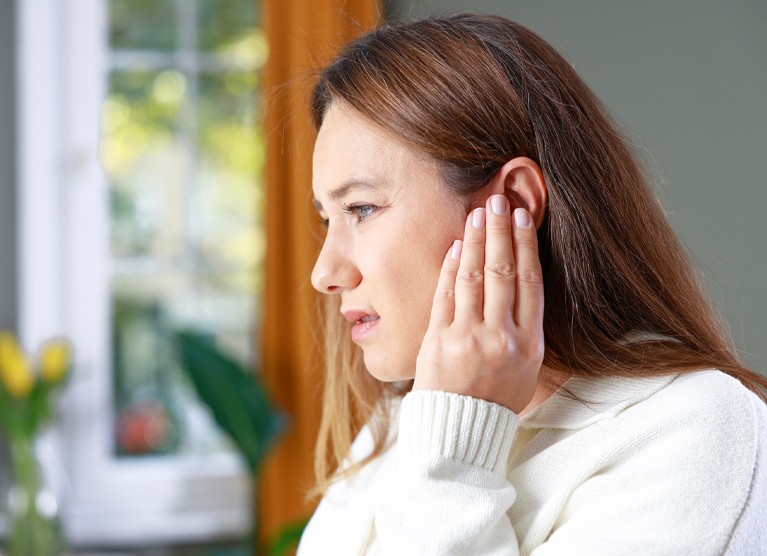
What Else Causes Ear Pain?
It is very common for people to assume they have an infection when something else entirely is to blame. There are several other surprising conditions that can easily be mistaken for an ear infection.
Eustachian Tube Dysfunction
Even if there is no active infection, your Eustachian tube can struggle to open and close properly. This often happens during changes in altitude, such as when flying in an airplane, or when you are dealing with a severe cold or sinus congestion. When the tube cannot equalize the air pressure between your middle ear and the outside environment, it places painful stress on your eardrum, resulting in a feeling of pressure, popping, and noticeable ear pain.
Earwax Buildup
Earwax is a healthy, natural substance that protects your ear canal from dust, debris, and bacteria. However, sometimes the body produces too much earwax, or the wax gets pushed too deeply into the ear canal—this commonly occurs when people use cotton swabs to try and clean their ears. Pushing earwax deep against the eardrum can cause an impaction, leading to earache, a feeling of fullness, and temporary hearing loss.
Jaw and Throat Issues
Because the nerves in your face and neck are so closely connected, pain originating elsewhere can be felt in your ears. Temporomandibular joint (TMJ) disorders, which involve the hinge connecting your jaw to your skull, frequently cause pain that radiates directly into the ear canal. Similarly, a severe sore throat or tonsillitis can cause "referred pain," making your ear ache even though your ear structures are perfectly healthy.
Common dental causes include:
- Tooth decay or an inflamed tooth nerve
- Dental abscess/infection
- Cracked tooth or damaged filling
- Wisdom-tooth inflammation or impaction
- Gum disease
- Teeth grinding or a jaw-joint (TMJ) problem

Safe At-Home Relief for an Earache
If you are experiencing mild ear pain without any severe or alarming symptoms, there are several gentle, at-home comfort measures you can take while you wait for the discomfort to pass or before you are able to see a health care provider.
- Over-the-counter pain relievers: Medications such as ibuprofen or acetaminophen can be highly effective at reducing the inflammation and easing the pain associated with an earache.
- Warm or cold compresses: Holding a warm, damp washcloth or a wrapped ice pack against the affected ear can help soothe the throbbing sensation. Some people find heat more relaxing, while others prefer cold to numb the pain.
- Rest and hydration: Giving your body time to rest and drinking plenty of fluids can help thin out mucus and encourage proper drainage if your ear pain is related to a cold or sinus congestion.
- Elevating your head: Sleeping with an extra pillow to keep your head slightly elevated can help promote fluid drainage from the middle ear and reduce pressure.
It is important to note what you should avoid doing. Do not insert cotton swabs, hairpins, or any other objects into your ear canal in an attempt to relieve pressure or clear out wax. Additionally, unless specifically recommended by a doctor, avoid using over-the-counter ear drops. If your eardrum happens to be compromised or perforated, introducing liquid drops into the ear canal can cause further complications.
Identifying Red Flags: When to Seek Medical Attention
While many earaches resolve on their own or with simple supportive care, some symptoms require a prompt evaluation by a health care provider. Paying attention to how your symptoms evolve is key to protecting your ear health.
You should seek medical attention if you notice any of the following red flags:
- Severe, escalating pain: Discomfort that becomes unmanageable or suddenly worsens.
- A sudden stop in pain accompanied by fluid: If intense pain suddenly vanishes and is followed by bloody, clear, or pus-like drainage, it may indicate a ruptured eardrum.
- High fever: An elevated temperature, particularly alongside an earache, is a strong sign of a bacterial infection that may require an antibiotic.
- Swelling behind the ear: Redness, swelling, or tenderness on the bone directly behind your ear can indicate a more serious infection spreading beyond the ear canal.
- Sudden or profound hearing loss: While muffled hearing is common with fluid buildup, a complete or sudden drop in your ability to hear should be evaluated immediately.
When you visit a medical professional, they can use a lighted instrument called an otoscope to look safely inside your ear canal and examine your eardrum. They may also use a painless test called tympanometry to measure how well your eardrum moves and check for hidden fluid buildup. For individuals who suffer from chronic, repetitive middle ear infections, a doctor might eventually recommend a minor procedure to insert small ear tubes, which help maintain proper airflow and prevent future fluid accumulation.
Connecting Ear Health to Overall Hearing Wellness
Experiencing hearing loss—even a temporary shift caused by an ear infection or fluid buildup—can take an emotional toll. It is unsettling when the world around you suddenly sounds muted or when trying to follow a conversation requires exhausting effort.
The most important thing to remember is that you do not have to navigate hearing concerns alone. Hearing loss is a solvable issue, and experiencing a change in your hearing due to an earache does not have to mean a permanent change in your lifestyle. Once a health care provider resolves the underlying infection or clears the earwax, your hearing will typically return to normal.
Ready to Take the Next Step?
If you find that you are still experiencing difficulties with your hearing long after an earache has healed, it may be time to take a closer look at your overall hearing wellness. Your hearing care partner is here to help you understand your hearing health and provide the tools and support you need to confidently return to the activities and conversations you love.
Schedule a hearing appointment today and take the first step toward comfortable, confident hearing.
Frequently Asked Questions (FAQ)
This article is for informational purposes only and does not constitute medical advice. If you have questions about your hearing health or hearing solutions, consult your hearing care provider.

Online Hearing Test

Book Your Free Appointment

Reviewed By
Kathy McGowan, AuD CCC-A, Doctor of Audiology
Kathy McGowan is the Manager of Managed Care Programs with Beltone Corporation . Kathy worked with the Professional Development Training Team as well as the Operations Team and Beltone Corporate Retail for 8 years before being promoted to her current position. Prior to joining Beltone Corporate, Kathy worked for 10 years as an Audiology Manager in a private practice. She has worked in many settings as an Audiologist including an ENT practice, a hospital, an Optical and Hearing Company, and in the Military, retiring as a LtCol. Kathy earned her Bachelor’s in Speech and Hearing and Master’s in Audiology from Ohio University in Athens, Ohio, and went on to receive her Audiology Doctorate from A.T. Still University School of Health Sciences. Kathy is currently licensed in seven states.