

Ears Ringing After Concert? What to Do and When to Worry
July 27, 2026 If you have recently returned home from a live music event and noticed a persistent buzzing or whistling sound in your ears, you are not alone. Many live music fans wake up the morning after a great show to find that the music has stopped, but the sound in their head has not. Understanding what is happening—and what to do about it—can make all the difference.
This post-concert phenomenon is widely known as temporary tinnitus—the medical term for the perception of sound when no external noise is actually present. While it is completely normal to feel concerned, understanding how your hearing works and learning how to soothe your auditory system can provide real peace of mind. This guide will explain the physical reasons behind post-concert ringing, offer practical steps for immediate relief, outline how long you can expect the sound to last, and clarify when it might be time to schedule a professional hearing check.
Understanding the Buzz: What Happens in Your Ears During a Concert
To understand why your ears ring after prolonged exposure to loud events, it helps to understand the delicate anatomy of the ear. The human auditory system is an incredibly complex network designed to capture sound waves and translate them into signals your brain can understand.
When you listen to normal conversation or gentle background noise, sound waves travel down your ear canal and vibrate your eardrum. These vibrations are then sent deep into the inner ear, arriving at a snail-shaped, fluid-filled organ called the cochlea. Inside the cochlea are thousands of tiny, delicate sensory hair cells. These hair cells ride the waves of the inner ear fluid, bending with the movement to create the electrical signals that travel up the auditory nerve to your brain.
When you are exposed to loud noises—such as the sound produced by towering amplifiers at a concert—the sound waves hit your inner ear with much greater physical force. Instead of gently swaying, those delicate hair cells are violently bent and pushed down by the sheer volume of the noise. The ringing, buzzing, or hissing you hear is essentially your nervous system responding to that overstimulation. The bent hair cells mistakenly send a continuous signal to the brain, which your brain interprets as a ringing sound.
In most cases of temporary tinnitus, the ringing is a sign that your hearing system has been overworked and is currently in an active state of recovery. It is your auditory system's way of signaling that the environment was too loud and that future exposure without protection could lead to more lasting hearing damage.
How Long Will Ear Ringing Last After a Concert?
One of the most immediate concerns you might have is whether the ringing will ever stop. For the vast majority of concertgoers, post-concert ringing is temporary. The exact duration depends on the volume of the event, the acoustic environment, how close you were to the speakers, and the total time of your noise exposure.
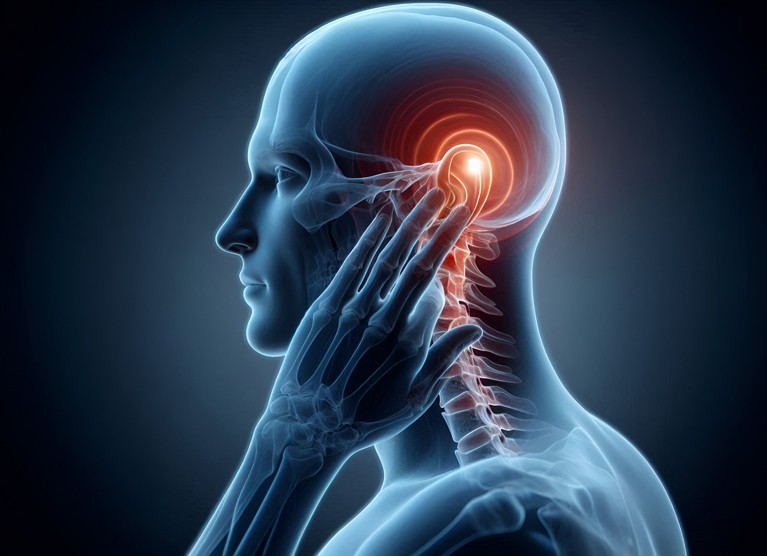
Typically, ears ringing after a concert will begin to fade within 16 to 48 hours. During this window, the overstimulated hair cells in the cochlea are slowly resting and returning to their normal, upright position. As they recover, the false electrical signals sent to your brain will decrease and the ringing will gradually fade.
In some cases—especially following unusually long or loud events like multi-day music festivals—it can take a few days for your hearing to fully stabilize. You might also notice that the ringing feels more prominent at night or in quiet rooms, simply because there is no other background sound to distract your brain.
How to Find Relief for Ringing Ears After a Concert
There is no magic switch to turn off the sound instantly, but there are several reliable ways to manage the symptom and make yourself more comfortable while your inner ear recovers. Providing your ears with the right environment and avoiding further irritation are the best steps you can take.
Practice Auditory Rest
The most crucial step in your recovery is giving your ears a complete break from loud or stimulating noises. Avoid using headphones or earbuds entirely for the next few days. Do not attend any loud environments like movie theaters, noisy restaurants, or sporting events. By sticking to quiet, calm spaces, you prevent additional strain on the exhausted hair cells in your inner ear.
Utilize Masking Sounds
When you are in complete silence, the internal ringing often sounds significantly louder and more intrusive. To counteract this, introduce gentle, low-level masking sounds into your environment. A white noise machine, a gentle room fan, or a humidifier can provide a steady wash of soothing sound. These devices do not cure the ringing, but they blend with the tinnitus, giving your brain an external sound to focus on so the internal ringing is less noticeable.
Limit Caffeine and Sodium
What you consume can have an unexpected impact on your hearing recovery. Caffeine can restrict blood vessels and alter blood flow—and because the inner ear relies on a steady, healthy supply of oxygen and blood to heal those overworked hair cells, reducing your caffeine intake may aid the recovery process. Similarly, high amounts of dietary salt can impact fluid retention, potentially aggravating the delicate fluid balance inside the cochlea.
Manage Your Stress Levels
Experiencing sudden changes to your hearing can undoubtedly cause anxiety. Unfortunately, elevated stress levels can actually make tinnitus seem louder and more intense. Engaging in deep breathing exercises, gentle stretching, or reading a book can help calm your nervous system. Remind yourself that this is usually a temporary symptom and that your body is actively working to recover.
The Link Between Loud Events and Noise-Induced Hearing Loss
While temporary ringing usually fades within a few days, it opens the door to a broader conversation about hearing health and noise-induced hearing loss. Sound intensity is measured in units called decibels. A normal conversation takes place at roughly 60 decibels, which is perfectly safe for extended listening. However, many live music venues push sound levels to between 100 and 120 decibels. Prolonged exposure to sounds above 85 decibels can cause permanent damage to your hearing over time.
Noise-induced hearing loss occurs when the tiny hair cells in the inner ear are damaged so severely that they cannot repair themselves. Because these sensory cells do not regenerate in humans, any permanent damage they sustain results in a permanent reduction in your hearing ability. It is helpful to think of your auditory health like a bank account for noise exposure—every time you expose yourself to extreme decibel levels without hearing protection, you are making a withdrawal.
When to Worry: Signs It Is Time for a Hearing Test
For most people, post-concert ringing is harmless and short-lived. However, there are specific warning signs that indicate the noise exposure may have caused something more serious than temporary fatigue.
You should consider consulting a hearing care professional if you experience any of the following:
- The ringing does not fade: If the buzzing or whistling continues for more than a week without showing signs of decreasing in volume.
- Sounds remain muffled: If normal speech sounds like people are talking underwater, or if you struggle to hear high-pitched sounds several days after the concert.
- You experience dizziness or vertigo: Your inner ear is responsible for both your hearing and your physical balance. If loud noise exposure triggers feelings of dizziness or spatial disorientation, it warrants a professional evaluation.
- Physical pain in the ear: Loud sounds should not cause lingering physical pain. A painful ear could signal a ruptured eardrum or an unrelated ear infection.
If you do have some degree of permanent hearing loss, modern hearing aids offer incredibly discreet, technologically advanced solutions. Finding out you need a hearing aid does not mean a permanent change in your lifestyle—rather, it gives you the tools to confidently return to enjoying life and staying connected to the people and moments that matter most.
How to Protect Your Hearing Health at Future Concerts
Enjoying live music and maintaining excellent hearing health do not have to be mutually exclusive. You can continue to be an avid concertgoer by adopting a few straightforward, proactive habits.
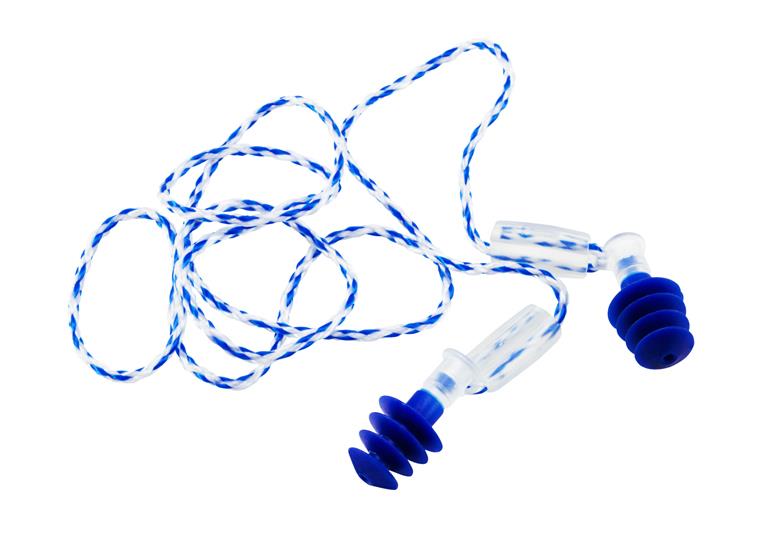
- Wear proper hearing protection: Standard foam earplugs are inexpensive and widely available, but a better investment for music lovers is a pair of high-fidelity or musician earplugs. These specialized earplugs lower the overall volume evenly across all frequencies, protecting your hair cells while preserving the clarity and richness of the music.
- Be mindful of your location: Standing directly in front of the primary speakers exposes your ears to the maximum force of the sound waves. Moving even a few yards back can significantly reduce the acoustic pressure on your auditory system.
- Give your ears occasional breaks: Stepping out to a quiet hallway or patio for ten minutes between sets allows the structures of your inner ear a moment to rest and recover before the next performance begins.
Ready to Take the Next Step?
If your post-concert ringing has not resolved or you are concerned about your hearing health, a professional hearing assessment is a simple, painless first step toward clarity and peace of mind. Your hearing care partner is ready to guide you through every step of the journey.
Schedule a hearing appointment today and take the first step toward protecting the sounds and people you love.
Frequently Asked Questions (FAQ)
This article is for informational purposes only and does not constitute medical advice. If you have questions about your hearing health or hearing solutions, consult your hearing care provider.

Online Hearing Test
