

Misophonia vs. Hyperacusis: What Sound Sensitivity Means
August 17, 2026 The world around us is filled with a rich symphony of sounds. But if you have recently noticed that certain sounds feel unexpectedly loud, physically uncomfortable, or emotionally overwhelming, you are not alone. Understanding your hearing health is the first step toward regaining your comfort and confidence.
Experiencing an increased sensitivity to sound can be a deeply unsettling change. It can make trips to the grocery store feel exhausting and cause anxiety during family gatherings. This guide explores the different types of sound sensitivity—including hyperacusis and misophonia—to help you recognize what you or a loved one might be experiencing. By learning about the symptoms, common causes, and available treatment options, you can better advocate for your auditory health and take proactive steps toward rejoining the conversations and activities you love.

What You Need to Know
Before we dive into the details, here is a quick-reference guide to the key things to understand about sound sensitivity:
- You are not alone. Noises that seem ordinary to other people can feel uncomfortably loud, sharp, stressful, or overwhelming.
- "Sound sensitivity" can mean a few different things. Hyperacusis is when sounds seem much louder or more uncomfortable than expected. Misophonia is a strong emotional reaction to certain sounds, such as chewing or tapping. Phonophobia is fear or anxiety connected to sound. These experiences can overlap, but they are not identical.
- Triggers are often everyday sounds. Clattering dishes, traffic, appliances, barking dogs, children yelling, or busy public spaces are common examples.
- There is usually more than one possible reason. Sound sensitivity may be connected to hearing changes, noise exposure, migraines, stress, anxiety, head injury, or other health-related factors.
- A clear diagnosis can make the next steps easier. A hearing care professional or other qualified provider can help you understand what may be going on.
- Total silence is not always helpful. In some cases, avoiding sound too often or relying heavily on earplugs can make tolerance to everyday noise harder over time.
- Support is available. If sound sensitivity is affecting your comfort, concentration, relationships, or daily routine, it may be time to reach out for guidance and care.
The Spectrum of Sound Sensitivity
Sound sensitivity is a broad term that encompasses several different auditory and neurological conditions. While people often use terms like noise sensitivity, hyperacusis, and misophonia interchangeably, they actually refer to distinct experiences. Understanding these differences is crucial for finding the right support and treatment.
When a person has normal hearing and sound tolerance, their auditory system efficiently filters and processes environmental sounds. The brain knows which sounds to prioritize—like a friend speaking—and which to ignore, like the hum of an air conditioner. For someone with a sound sensitivity disorder, this internal filtering and processing system operates differently. In some cases, the brain amplifies everyday noises until they cause physical discomfort. In other cases, the brain attaches a severe emotional threat to a seemingly harmless sound.

What is Hyperacusis?
Hyperacusis is a hearing disorder characterized by an extreme sensitivity to everyday sounds. For someone with this condition, sounds that most people consider normal or mildly loud are perceived as unbearably loud, harsh, or physically painful. A person with hyperacusis might cringe at the sound of running tap water, the clinking of silverware, the rustling of newspaper pages, or the sudden bark of a dog.
Healthcare professionals generally categorize this condition into two main types:
- Loudness Hyperacusis: The most common form. Moderately loud sounds are perceived as overwhelmingly loud—a vacuum cleaner might sound as deafening as a jet engine. The auditory system essentially loses its dynamic range, meaning the gap between the softest sound a person can hear and the loudest sound they can tolerate becomes incredibly narrow.
- Pain Hyperacusis: In more severe cases, exposure to everyday sounds triggers a sensation of physical pain in the inner ear or the surrounding areas of the head and neck. This pain can range from a dull ache to a sharp, stabbing sensation, and it may linger for hours or even days after the noise exposure has ended.
Living with hyperacusis can take an emotional toll. It often leads to behavioral changes, such as avoiding public spaces, withdrawing from social events, or constantly wearing ear protection at home. However, it is important to remember that hyperacusis is a recognized medical symptom, and there are structured ways to help the auditory system recalibrate.

What is Misophonia?
While hyperacusis involves a reaction to the volume of a sound, misophonia is entirely different. Misophonia—which literally translates to "hatred of sound"—is a condition where specific, often repetitive noises trigger an intense emotional and physiological response. The volume of the sound is largely irrelevant; it is the specific pattern or nature of the sound that causes distress.
The most common trigger sounds are organic or body-related noises produced by other people, such as chewing, swallowing, lip-smacking, throat clearing, heavy breathing, or nose sniffing. Other triggers might include repetitive environmental noises like the clicking of a pen, the tapping of a keyboard, or the ticking of a clock.
When someone with misophonia hears a trigger sound, their brain instantly activates a "fight-or-flight" response. This is not a choice, and it is far more severe than simple annoyance. The individual may experience an immediate surge of intense anger, anxiety, panic, or the overwhelming urge to flee the room. Because the most common trigger sounds occur during shared meals or in quiet offices, misophonia can deeply strain relationships and make daily living difficult. Validating this experience is a critical part of finding effective coping strategies.
Phonophobia: The Fear of Sound
Another condition that often overlaps with sound sensitivity is phonophobia—a specific, intense fear of loud sounds or specific types of noise. Unlike hyperacusis, which is rooted in how the auditory system physically processes volume, phonophobia is primarily an anxiety disorder. A person with phonophobia experiences anticipatory anxiety; they are constantly worried about when the next loud noise might happen.
It is common for these conditions to influence one another. A person who develops hyperacusis and experiences physical discomfort from loud noises may naturally develop phonophobia as a protective mechanism—the fear of experiencing auditory pain leads to heightened anxiety around any environment where loud noises are unpredictable.
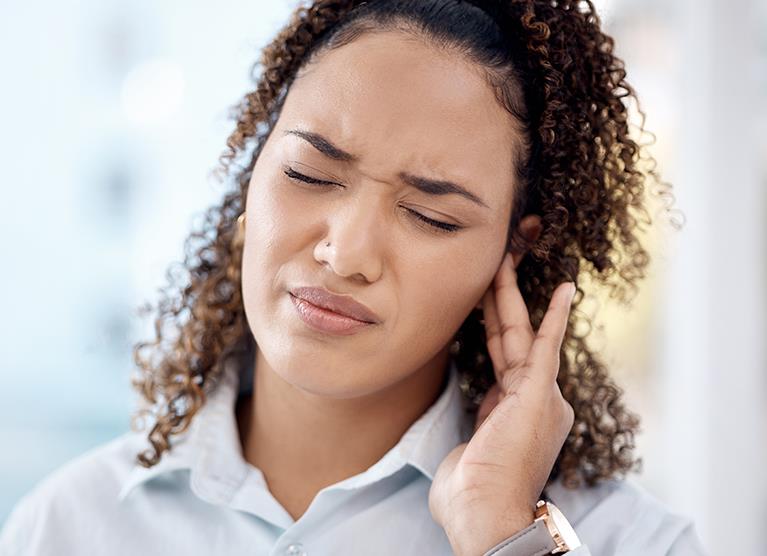
The Link Between Tinnitus, Hearing Loss, and Sound Sensitivity
Sound sensitivity rarely exists in a vacuum. It is frequently connected to other hearing-related conditions, most notably tinnitus and hearing loss. Understanding how these conditions interact can help demystify the symptoms you might be experiencing.
- Tinnitus: Tinnitus is the perception of sound in the ears or head when no external sound is present—typically described as a ringing, buzzing, hissing, or roaring sound. A significant percentage of people who experience hyperacusis also experience tinnitus. Both conditions are thought to stem from similar changes within the auditory system, often triggered by damage to the delicate hair cells in the inner ear.
- Hearing Loss: It may seem contradictory, but hearing loss can actually cause an increased sensitivity to sound. This phenomenon is known as "recruitment." When the inner ear sustains damage and loses the ability to hear certain frequencies, the brain sometimes overcompensates—causing volume to seem to jump suddenly from barely audible to painfully loud. Addressing the underlying hearing loss is often the key to resolving this specific type of auditory discomfort.
Common Causes and Underlying Conditions
The sudden or gradual onset of noise sensitivity can be alarming, but it is usually a symptom of an underlying event or condition rather than a standalone disease. The auditory system is delicate, and several factors can disrupt its normal function.
Noise Exposure and Acoustic Trauma
The most common cause of sound sensitivity is exposure to loud noise. This can be a single, sudden acoustic trauma—such as a gunshot, a firecracker, or an airbag deploying—or long-term, prolonged exposure to loud environments such as construction, concerts, or headphones at high volumes.
Medical Conditions and Infections
Various health conditions can affect the intricate nerves and structures of the ear:
- Lyme disease: This tick-borne illness can cause neurological symptoms, including heightened sensitivity to light and sound.
- Ramsay-Hunt syndrome and Bell's palsy: These conditions affect the facial nerves situated very close to the nerves responsible for dampening loud sounds in the ear. When these nerves are paralyzed or inflamed, sounds can enter without their natural buffer.
- Ménière's disease: An inner ear disorder that causes vertigo, ringing in the ears, hearing loss, and often a feeling of fullness and sensitivity in the ear.
- Temporomandibular Joint (TMJ) disorders: Inflammation in the jaw joint can impact the surrounding ear structures, leading to auditory discomfort.
Head Trauma and Brain Injuries
Traumatic brain injuries, concussions, or whiplash can damage the central auditory nervous system. Even mild head injuries can alter how the brain interprets sound signals, leading to hyperacusis or generalized sensory overload.
Ototoxic Medications
Certain medications are known to be ototoxic, meaning they can cause damage to the inner ear. These can include specific high-dose antibiotics, certain chemotherapy drugs, and even high doses of over-the-counter pain relievers. Always discuss any sudden changes in hearing or sound tolerance with your healthcare provider, especially if you have recently started a new medication.
Stress and Emotional Trauma
The auditory system is deeply connected to the brain's emotional and stress centers. Chronic stress, anxiety, PTSD, and other emotional traumas can put the nervous system into a state of hyper-vigilance. When the brain is constantly on high alert, it filters sensory input less effectively, causing everyday sounds to feel abrasive and overwhelming.

Recognizing the Symptoms: When Everyday Noises Become Overwhelming
Identifying the specific symptoms you are experiencing is a vital step toward finding relief. Sound sensitivity manifests differently from person to person, but there are common signs that indicate it might be time to seek a professional evaluation.
Physical Symptoms:
- A feeling of fullness, pressure, or fluttering in the ear when exposed to moderate noise.
- Physical pain or a sharp aching sensation in the ear during or after noise exposure.
- Frequent headaches or tension in the neck and jaw after spending time in noisy environments.
- The sensation that your own voice sounds too loud or resonates uncomfortably in your head.
Emotional and Behavioral Symptoms:
- Feeling instant, uncontrollable anger, disgust, or panic when hearing a specific sound—a strong indicator of misophonia.
- Developing anxiety before entering environments that might be noisy, such as restaurants, movie theaters, or busy streets.
- Frequently covering your ears or relying heavily on earplugs or noise-canceling headphones to get through the day.
- Avoiding social gatherings, family events, or public spaces because the background noise is too difficult to manage.
- Feeling mentally exhausted or drained after spending time in a standard listening environment.
If these symptoms are interfering with your daily routine, it is important to remember that you do not have to simply accept a diminished quality of life. There are compassionate professionals ready to help you navigate these challenges.
Diagnosis: Taking the First Step Toward Better Hearing Health
If you are struggling with sensitivity to sound, the most important step you can take is to schedule an appointment with a hearing care professional or an audiologist. They can help you understand your hearing health in a supportive, non-judgmental environment.
During an evaluation, the hearing care professional will begin by discussing your medical history, your specific symptoms, and the types of sounds that cause you discomfort. The evaluation will usually include a comprehensive hearing test and may also include a Loudness Discomfort Level (LDL) test—a gentle, carefully controlled test where sounds are slowly increased in volume to determine the exact point at which they become uncomfortable for you. By gathering this comprehensive data, your hearing care partner can tailor a management plan specifically for your unique situation.
Treatment Options: Finding Relief From Hyperacusis and Misophonia
Because sound sensitivity can stem from various causes, there is no single cure-all treatment. However, there are numerous highly effective management strategies that can help you rebuild your sound tolerance and confidently return to your desired lifestyle.
Sound Therapy (Acoustic Therapy)
It might sound counterintuitive to treat sound sensitivity by introducing more sound, but sound therapy is one of the most effective treatments for hyperacusis. When you sit in total silence, your auditory system strains to pick up any available sound, essentially turning up its internal microphone. By supplying the ear with a low-level, soothing background noise, the auditory system can begin to relax.
Hearing care professionals often use wearable sound generators that look very similar to hearing aids. These devices emit a gentle, continuous sound—often broadband noise or pink noise, which sounds similar to a gentle waterfall or soft static. By wearing these devices daily, the brain gradually relearns how to process sound without triggering an exaggerated response. Over time, many patients find their threshold for loud noises significantly improves.
Cognitive Behavioral Therapy (CBT)
For conditions deeply tied to emotional and physiological responses, such as misophonia and phonophobia, Cognitive Behavioral Therapy (CBT) is widely recommended. CBT is a form of talk therapy that helps individuals identify and change negative thought patterns and behaviors. In the context of sound sensitivity, CBT helps patients recognize the anxiety or anger that arises when they hear a trigger sound, and develop new coping mechanisms that reduce the automatic fight-or-flight response over time.
Tinnitus Retraining Therapy (TRT)
If you experience both tinnitus and hyperacusis, Tinnitus Retraining Therapy is a highly structured approach that combines sound therapy with directive counseling. The counseling portion helps demystify the auditory system, removing the fear and anxiety associated with the symptoms, while the sound therapy portion works to gradually desensitize the auditory system to external noises.
The Role of Hearing Aids
If your sound sensitivity is linked to underlying hearing loss, modern hearing aids can be a transformative solution. Today's devices do much more than simply amplify sound. Advanced hearing aids process the environment in real-time, focusing on the sounds you want to hear while actively softening harsh, sudden impact noises. Many also include customizable sound therapy features, allowing you to stream soothing pink noise or nature sounds directly into your ears to help manage hyperacusis or tinnitus.

The Danger of Over-Protecting Your Ears
When everyday sounds cause discomfort, the most natural instinct is to reach for earplugs or noise-canceling headphones. While protecting your ears from genuinely dangerous noise levels is essential, constantly blocking out normal, everyday sound can actually make hyperacusis and misophonia much worse.
If you wear earplugs in quiet or moderately noisy environments, you are artificially depriving your auditory system of sound. In response, your brain turns its internal volume dial up even higher. When you eventually remove the earplugs, normal sounds will seem shockingly loud and even more unbearable than before. Hearing care professionals strongly advise against the overuse of ear protection for this reason—instead of silencing the world, the goal of treatment is to gently reintroduce sound so your auditory system can adapt and rebuild its natural tolerance.
Supporting a Loved One With Noise Sensitivity
Watching a friend, spouse, or family member struggle with sound sensitivity can be challenging. Because the pain or anxiety they feel is invisible, it can be hard for those around them to fully grasp the severity of the condition.
First, always validate their experience. Do not dismiss their reaction as an overreaction or tell them to simply "ignore" the sound. For someone with misophonia or hyperacusis, the physiological response is entirely involuntary. Work together to create safe, comfortable spaces—if family dinners trigger misophonia, consider adding gentle background music or white noise to help mask specific trigger sounds.
Most importantly, gently encourage them to seek professional help. Remind them that they do not have to navigate this alone, and that auditory discomfort does not have to mean a permanent change in their lifestyle. Offer to accompany them to see a hearing care professional, providing support as they take the steps to understand and address their hearing health.

Living Your Life With Confidence
Experiencing hyperacusis, misophonia, or a sudden sensitivity to sound can feel isolating, but these are solvable issues. The auditory system is remarkably adaptable, and with the right support, guidance, and treatment, you can retrain your ears and regain your comfort. You deserve to enjoy the sounds of your life—the laughter of your family, the dialogue of your favorite movies, and the quiet peace of a relaxed evening—without fear or discomfort.
Ready to Take the Next Step?
By partnering with a hearing care professional, you can access the tools and therapies needed to safely turn down the volume on your symptoms and confidently rejoin the world around you. Your hearing care partner is ready to guide you every step of the way.
Schedule a hearing appointment today and take the first step toward a more comfortable, connected life.
Frequently Asked Questions (FAQ)
This article is for informational purposes only and does not constitute medical advice. Please consult a hearing care professional and/or your primary care physician before making decisions about your health.

Online Hearing Test
