

Symptoms and Causes of Hearing Loss in Children
September 10, 2026Learning that your child may have hearing difficulties can bring a lot of questions. Hearing plays a key role in language, learning, and relationships, so hearing challenges can affect the whole family. The good news is that childhood hearing loss is often manageable, and with the right support and solutions, children can keep learning, connecting, and enjoying daily life.
This guide explains the signs and causes of hearing loss in children, what to watch for at different ages, and the simple, painless tests used to identify it. It also covers pediatric hearing aids and early support options that can help children stay connected to their world.
Summary and Key Terms
- Pediatric Audiologist: A health care professional who specializes in diagnosing and treating hearing and balance issues specifically in infants, toddlers, and children.
- Conductive Hearing Loss: Hearing loss caused by something blocking sound from passing through the outer or middle ear, such as fluid from an ear infection.
- Sensorineural Hearing Loss: Hearing loss that originates in the inner ear or the auditory nerve pathways, often present at birth or caused by certain illnesses.
- Behind-the-Ear (BTE): A style of hearing aid commonly used for children where the main device sits safely behind the ear and routes sound into the ear canal.
- Earmold: A custom-shaped piece of soft material that fits comfortably inside the child's ear canal to deliver sound from the hearing aid.
- Otitis Media: The clinical term for a middle ear infection, which is a very common cause of temporary hearing issues in young children.
- Early Intervention: Specialized support programs and services provided early in a child's life to help them reach developmental milestones, especially in speech and language.
The Importance of Early Detection in Children
Hearing is essential to a child's early development. In the first few years, children rely on sound to build the speech, language, and social skills their growing brains need. When hearing loss is missed, children may struggle to hear sound differences like "s," "sh," "f," and "th," which can affect speech, vocabulary, communication, and social interactions.
The good news is that early detection can make a major difference. When hearing concerns are identified early and supported with the right treatment or hearing devices, children have a stronger opportunity to develop communication skills alongside their peers and stay engaged in learning and daily life.
Recognizing the Signs and Symptoms of Hearing Loss in Children
Children often do not have the vocabulary or self-awareness to articulate that they are having trouble hearing. Instead, the signs of pediatric hearing loss usually manifest in behavioral changes, developmental delays, or subtle daily habits. Because symptoms can vary widely depending on the child's age and the severity of the hearing loss, it is helpful to know what age-specific milestones to monitor.
Signs in Infants and Toddlers
- Lack of a startle reflex in response to sudden, loud noises, such as a dog barking or a door slamming.
- Failure to turn their head toward the source of a familiar voice by the age of six months.
- By one year of age, a lack of single words like "dada" or "mama," or an absence of varied babbling.
- Seeming to notice you only when they see you, rather than when you call their name from across the room.
- A tendency to point or gesture to communicate their needs long after they should have begun using basic words.
Signs in Preschool and School-Aged Children
As children enter preschool and elementary school, the listening environments become more demanding. Classrooms are often filled with background noise, making it harder for a child with hearing loss to focus on the teacher's voice. Symptoms in older children often look like behavioral or attention issues. Red flags include:
- Frequently saying "what," "huh," or asking for instructions to be repeated multiple times.
- Turning the volume on the television, tablet, or video games up to levels that are uncomfortably loud for the rest of the family.
- Sitting unusually close to the television screen.
- Developing speech that is difficult to understand compared to other children of the same age.
- Struggling academically or falling behind in reading and phonics exercises.
- Displaying signs of fatigue, frustration, or irritability after a long day at school, which can be the result of "listening fatigue."
- Appearing to ignore you or seeming inattentive, which is sometimes mistakenly attributed to behavioral issues or attention deficit disorders.
If any of these signs sound familiar, there is no need to worry, but it is a good idea to seek out a professional evaluation. A hearing care partner can help you understand your child's specific situation and outline the straightforward steps toward a solution.
Understanding the Common Causes of Pediatric Hearing Loss
Hearing loss in children can occur for a variety of reasons. Some children are born with hearing loss, while others acquire it later in childhood due to illness, infection, or environmental factors. To provide the best possible support, it is helpful to understand the different types of hearing loss and what typically causes them.
Conductive Hearing Loss
Conductive hearing loss occurs when something physically blocks sound waves from traveling through the outer ear canal or the middle ear space. In children, this is usually a temporary condition that can be resolved with medical treatment.
The most frequent culprit is otitis media, the clinical term for an ear infection. Young children have Eustachian tubes that are shorter and more horizontal than those in adults. This structural difference makes it easy for fluid to become trapped behind the eardrum during a common cold or allergy flare-up. When fluid builds up, the eardrum cannot vibrate properly, resulting in a muffled hearing experience, much like trying to listen while underwater. Other causes of conductive hearing loss include excessive earwax buildup, swimmer's ear, or an object accidentally placed in the ear canal.
Sensorineural Hearing Loss
Sensorineural hearing loss happens when there is damage to the delicate hair cells inside the inner ear or to the auditory nerve that sends sound signals to the brain. This type of hearing loss is typically permanent, but it can be highly responsive to hearing aids.
Many cases of sensorineural hearing loss in children are congenital, meaning they are present at birth. Genetics play a significant role, accounting for more than half of all pediatric hearing loss cases. Other congenital causes include infections passed from mother to baby during pregnancy, such as cytomegalovirus.
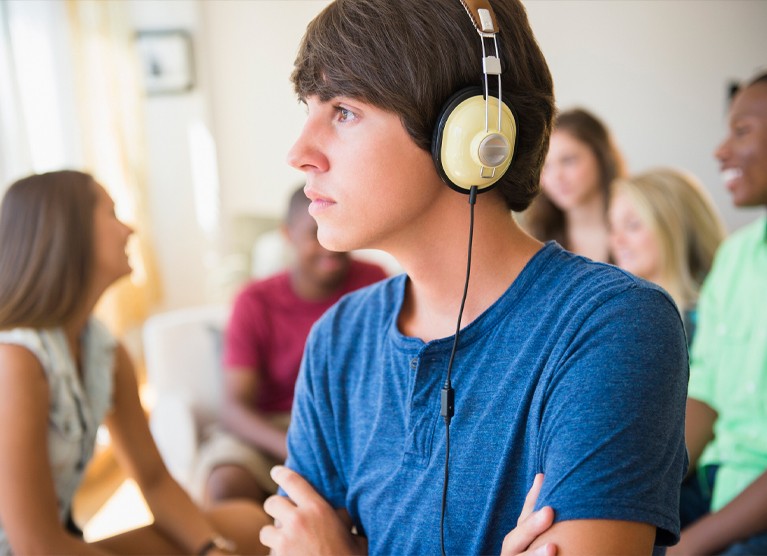
Sensorineural hearing loss can also be acquired after birth. Childhood illnesses that carry high fevers, physical trauma to the head, or exposure to certain medications known to affect the inner ear can all lead to changes in hearing. Furthermore, noise-induced hearing loss is becoming increasingly common in older children and teens, particularly from listening to music through headphones at maximum volume for extended periods.
Mixed Hearing Loss
Sometimes, a child may experience a combination of both conductive and sensorineural hearing loss. For instance, a child who has permanent inner ear hearing loss might also develop a temporary ear infection, which temporarily worsens their hearing abilities. In these cases, a hearing health professional will address the temporary fluid buildup first before adjusting any long-term hearing solutions.
The Diagnostic Pathway: Testing a Child's Hearing
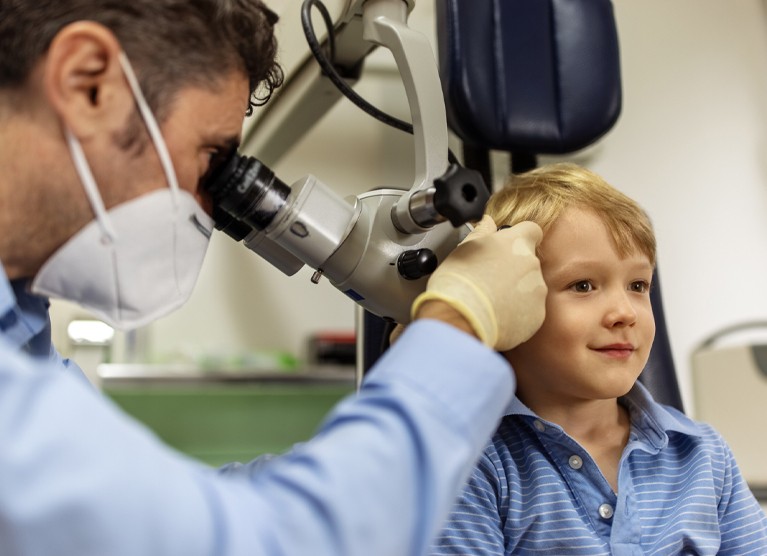
If you suspect your child might be having difficulty hearing, the next step is to schedule an appointment with a hearing care professional or pediatric audiologist. For many families, anticipating medical tests can be stressful, but hearing evaluations for children are entirely painless, non-invasive, and often designed to feel like play.
Newborn Hearing Screening
In most hospitals, early hearing detection begins within the first few days of life. The newborn hearing screening is a standard, simple test performed while the baby is sleeping or resting quietly. Small, soft earphones are placed over the baby's ears to play gentle sounds, and sensors measure how the inner ear or brain responds. If a baby does not pass this initial screening, it does not automatically mean they have permanent hearing loss—it simply means a follow-up evaluation is needed.
Testing Older Babies and Toddlers
For children between the ages of six months and two and a half years, professionals often use Visual Reinforcement Audiometry. The child sits on a caregiver's lap in a specially designed sound booth. When a sound is played through a speaker, the child will naturally turn their head toward it, and a friendly visual reward helps the professional determine the softest sounds the child can consistently hear.
Testing Preschool and School-Aged Children
For children aged three to five, Conditioned Play Audiometry turns the hearing test into a fun game, asking the child to perform a simple task every time they hear a sound through a set of headphones. For older children who can easily follow instructions, conventional hearing tests are used, where the child raises their hand or presses a button whenever they hear a beep.
Throughout this process, the professional is there to help you understand your child's hearing loss. They will explain the results in clear terms, avoiding unnecessary industry jargon, so you feel fully informed and empowered to make decisions about the next steps.

Exploring Pediatric Hearing Aids
When a child is diagnosed with a hearing loss that cannot be medically treated, hearing aids are often the most effective solution. The goal of children's hearing aids is simple: to provide consistent, comfortable access to sound so the child can develop speech, participate in school, and confidently enjoy their lifestyle.
Choosing hearing aids for kids requires a slightly different approach than selecting devices for adults. Children are constantly growing, playing, and moving through diverse environments. Because of this, the hearing solutions provided must be robust, safe, and adaptable to their unique life journey.
The Standard for Kids: Behind-the-Ear (BTE) Hearing Aids
The most universally recommended style of hearing aid for infants, toddlers, and young children is the Behind-the-Ear model. In a BTE device, the electronic components are housed in a durable casing that rests gently behind the outer ear. A clear, flexible tube connects the device to an earmold, which sits snugly inside the ear canal.
The BTE style offers several distinct advantages for growing children. Because children's ear canals grow rapidly, custom-fit devices that sit entirely inside the ear would need to be completely remade every few months. With a BTE system, the hearing aid itself remains the same, and only the soft silicone earmold needs to be replaced as the child grows. Earmolds can be crafted in a wide variety of bright colors and patterns, allowing children to personalize their devices and feel a sense of ownership and pride.

Features Tailored for a Child's Lifestyle
- Weatherproof and Durable: Children belong outdoors—running through sprinklers, sweating on the soccer field, and playing in the sandbox. Pediatric hearing aids are heavily sealed and weatherproof, meaning parents can spend less time worrying about moisture damage.
- Safety First: Pediatric models feature tamper-proof battery doors that require a special tool to open, ensuring the child cannot accidentally access the battery. Special retention clips can also be attached to prevent the hearing aids from getting lost on the playground.
- Smart Connectivity: Older children and teenagers benefit greatly from streaming audio directly from compatible smartphones, tablets, and computers—incredibly beneficial for remote learning or listening to music.
- Classroom Compatibility: Pediatric hearing aids often integrate seamlessly with specialized microphone systems used in classrooms, streaming the teacher's voice directly into the student's hearing aids and cutting through classroom noise.
Partnering for Ongoing Hearing Health
Addressing hearing loss is not a one-time event; it is an ongoing journey. When you seek out hearing solutions, you are not just acquiring a device—every hearing aid comes with a hearing care partner who will be right beside you every step of the way.
Your hearing care professional is dedicated to building trust and forming a lasting relationship with your family. They understand that managing a child's hearing loss involves regular check-ins, routine adjustments as the child grows, and answering questions as new situations arise.
Creating a supportive environment at home is equally important. Encourage open conversations about hearing health, celebrate your child's progress, and focus heavily on the benefits of using hearing aids. When children see their parents approaching hearing loss with optimism and confidence, they are much more likely to adopt the same positive attitude.
Ready to Take the Next Step?
By working together with your child, your hearing care partner, and your child's educators, you create a foundation that empowers your child to achieve their goals without limitation.
Schedule a hearing appointment today and take the first step toward supporting your child's hearing health.
Frequently Asked Questions (FAQ)
This article is for informational purposes only and does not constitute medical advice. If you have questions about your child's hearing health, consult a pediatric audiologist or hearing care provider.

Take Online Hearing Test
Take our free at-home hearing loss test as a first step on your journey to better hearing.
