

The Difference Between Sensorineural and Conductive Hearing Loss
June 26, 2026Understanding the Parts of the Ear and Types of Hearing Loss
The human ear is a marvel of natural engineering, made up of multiple components that each play a crucial role in how we experience sound. If any part falters, it can disrupt our ability to hear clearly.

The Four Main Parts of the Ear
The ear can be divided into four main parts, each with a specific job:
- Outer ear: Captures sound waves from the environment.
- Middle ear: Transmits sound through a set of tiny bones.
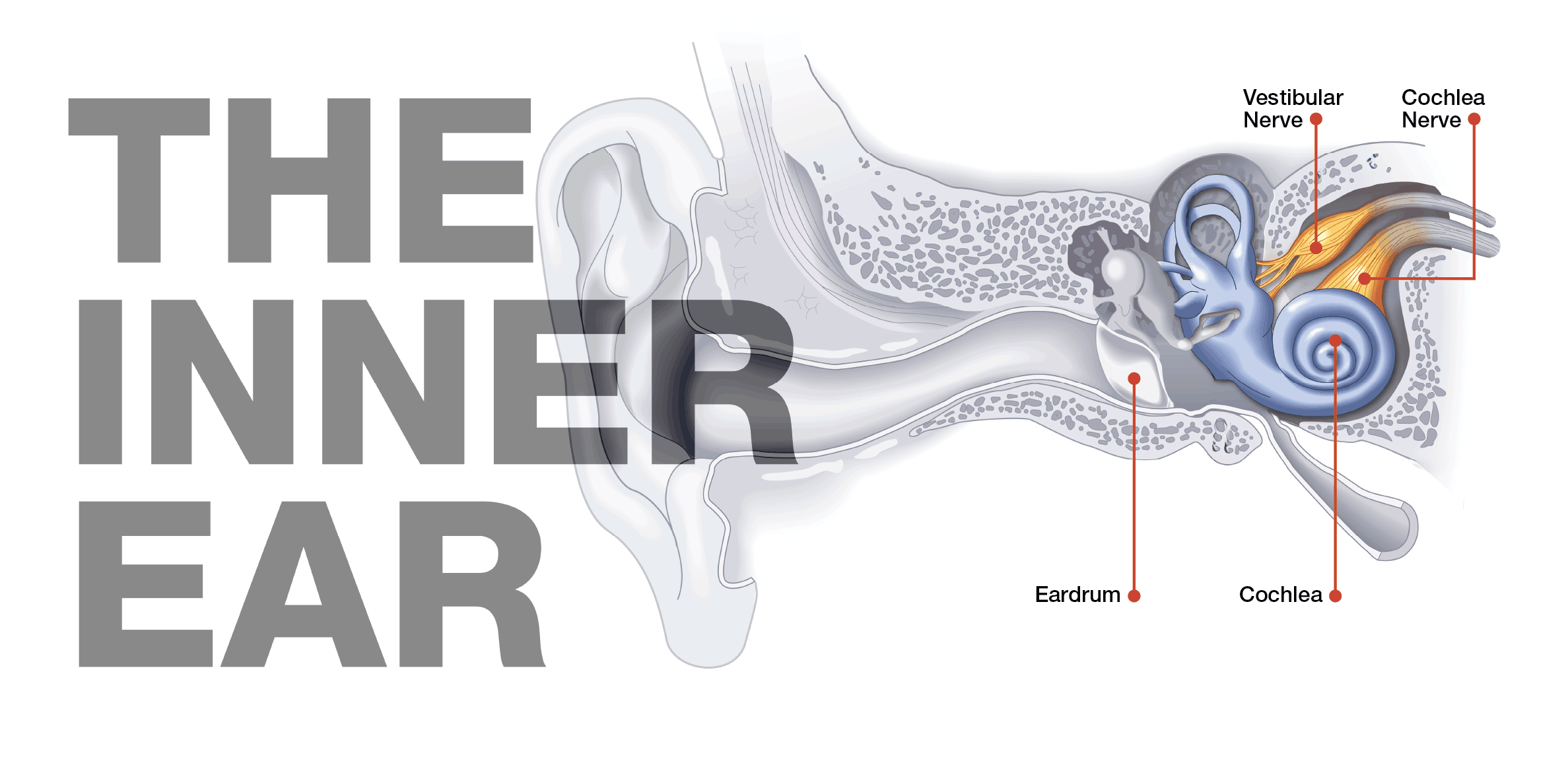
- Inner ear: Converts vibrations into electrical signals for the brain.
- Central auditory pathways: Carry these signals to the brain for interpretation.
As sound travels from the outer ear to the brain, any interruption along this path can cause hearing loss. Where and why sound is blocked or distorted determines the type of hearing loss.
There are two primary types to know: sensorineural hearing loss and conductive hearing loss. Sometimes, they can occur together—this is known as mixed hearing loss. Temporary hearing loss, on the other hand, typically resolves on its own within a few days or weeks and is not the same as these chronic types.
Understanding which type you have is vital, because treatments differ and are often very effective. Below, we explore sensorineural and conductive hearing loss in more detail to help you recognize the signs and know what to expect.
Sensorineural Hearing Loss
Sensorineural hearing loss, sometimes called nerve-related hearing loss, is the most common type—especially among older adults. According to the National Institutes of Health, it occurs when there is damage to the inner ear (cochlea) or to the nerve pathways that connect the inner ear to the brain. In sensorineural hearing loss, the outer and middle ear typically function normally, but sounds are not transmitted effectively to the brain.
Key Signs of Sensorineural Hearing Loss
- Difficulty hearing soft or faint sounds
- Trouble understanding speech in noisy places (restaurants, gatherings, etc.)
- Some sounds are audible, but lack clarity or seem “mumbled”
- More common in individuals over age 55
Common Causes
- Aging (presbycusis): Gradual loss as part of the natural aging process.
- Illness or disease: Infections or medical conditions that affect inner-ear health.
- Ototoxic medications: Certain drugs can damage nerve cells in the inner ear.
- Repeated exposure to loud noise: Sudden or long-term loud sounds (concerts, machinery, firearms) can cause permanent nerve damage.
- Head trauma: Injuries that disrupt inner-ear structures or nerve pathways.
- Genetics: Family history can increase the risk of nerve-related hearing issues.
Important note: Sensorineural hearing loss is usually permanent, but many people benefit greatly from hearing aids and assistive hearing devices. These treatments can significantly improve communication and quality of life, helping you stay connected with family, friends, and the world around you.

Conductive Hearing Loss
Conductive hearing loss happens when something blocks or reduces the movement of sound waves through the outer or middle ear. This prevents sound from reaching the inner ear efficiently. The problem is often mechanical in nature, such as a blockage, fluid, or structural issue in the ear canal or middle ear.
Key Signs of Conductive Hearing Loss
- Sounds may seem muffled or softer than usual
- Often feels like there’s something “in” the ear
- Hearing may change suddenly or develop gradually
- Often temporary, especially when caused by infection or blockage
Common Causes
- Ear infections (e.g., swimmer’s ear): Inflammation or fluid can interfere with sound transmission.
- Colds or allergies: Can cause fluid buildup in the middle ear.
- Earwax buildup: Excess wax can block the ear canal.
- Foreign objects: Small items (especially in children) can become lodged in the ear.
- Perforated eardrum: Tears in the eardrum can disrupt normal sound movement.
- Tumors or abnormal growths: Rare, but can block or press on ear structures.
- Structural issues or malformations: Some people are born with differences in ear anatomy.
- Otosclerosis: Hardening of the bones in the middle ear, which limits their movement. According to the Mayo Clinic, otosclerosis can often be improved surgically, and hearing aids may also help manage symptoms.
Treatment Outlook
Conductive hearing loss can often be improved or even reversed, depending on the cause. Medical or surgical treatments may include:
- Removing impacted earwax
- Treating ear infections or fluid buildup
- Repairing a perforated eardrum
- Surgical procedures for conditions like otosclerosis or structural abnormalities
When full restoration isn’t possible, hearing aids or assistive listening devices can be very effective in improving hearing.

Sudden Hearing Loss
Sometimes, hearing loss appears unexpectedly and progresses very quickly. Sudden hearing loss—also known as sudden sensorineural hearing loss—is a rapid, unexplained loss of hearing, usually in one ear. People often notice it when they wake up in the morning or when they try to use the affected ear. The change typically develops over a few hours up to three days.
Typical Signs of Sudden Hearing Loss
- Sudden, noticeable drop in hearing in one ear
- A feeling of fullness or blockage in the ear without an obvious cause
- Sounds may be muffled, and speech may be difficult to understand
- Ringing in the ear (tinnitus) or dizziness in some cases
What Should You Do?
Sudden hearing loss can be alarming—but more importantly, it is often considered a medical emergency.
If you experience a sudden loss of hearing, don’t wait. Contact a hearing care professional or your health care provider as soon as possible. Early treatment—ideally within the first few days—can significantly improve your chances of recovery.
Possible Causes
In many cases, the exact cause of sudden hearing loss remains unknown. However, potential triggers can include:
- Viral infections
- Blood circulation problems in the inner ear
- Head or ear trauma
- Certain autoimmune or neurologic conditions
- Other underlying health issues

Frequently Asked Questions
Note of Caution: If you notice a sudden change in hearing, especially in one ear, seek prompt medical attention. Fast action gives you the best chance of regaining your hearing.
Sources
- Age-Related Hearing Loss (Presbycusis) – NIDCD
- Sensorineural Hearing Loss: Symptoms, Causes & Treatment – Cleveland Clinic
- Sensorineural Hearing Loss – StatPearls, NCBI Bookshelf
- Sensorineural Hearing Loss – Overview
- Conductive Hearing Loss: Symptoms, Causes & Treatment – Cleveland Clinic
- Conductive Hearing Loss – ASHA
- Conductive Hearing Loss – StatPearls, NCBI Bookshelf
- Sudden Deafness – Hearing Loss Association of America
- Sudden Sensorineural Hearing Loss (SSHL) – NIDCD

Take Online Hearing Test
Take our free at-home hearing loss test as a first step on your journey to better hearing.

Book Your Free Appointment

Reviewed By
Kathy McGowan, AuD CCC-A, Doctor of Audiology
Kathy McGowan is the Manager of Managed Care Programs with Beltone Corporation . Kathy worked with the Professional Development Training Team as well as the Operations Team and Beltone Corporate Retail for 8 years before being promoted to her current position. Prior to joining Beltone Corporate, Kathy worked for 10 years as an Audiology Manager in a private practice. She has worked in many settings as an Audiologist including an ENT practice, a hospital, an Optical and Hearing Company, and in the Military, retiring as a LtCol. Kathy earned her Bachelor’s in Speech and Hearing and Master’s in Audiology from Ohio University in Athens, Ohio, and went on to receive her Audiology Doctorate from A.T. Still University School of Health Sciences. Kathy is currently licensed in seven states.