

What Is Sudden Hearing Loss?
Sudden hearing loss—also called sudden sensorineural hearing loss (SSHL)—can be frightening. One day you hear normally; the next, sounds may seem muffled, distant, or gone entirely in one ear.
For some people, sudden hearing loss feels like “waking up with a clogged ear” that never clears. For others, it may happen instantly during daily activities.
While sudden hearing loss affects roughly 1 in 5,000 people each year, experts believe the real number is higher because many people don’t realize it is a medical emergency. Prompt treatment—ideally within the first 24 to 72 hours—can significantly improve the chance of recovery.
This guide will help you understand what counts as sudden hearing loss, what causes it, and when to call a hearing care professional right away.

What Is Sudden Hearing Loss?
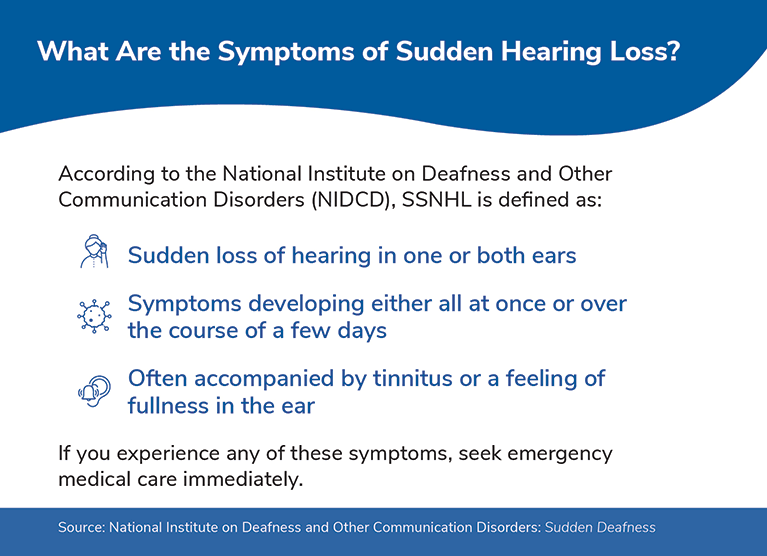
Sudden hearing loss is a rapid drop in hearing that occurs within 72 hours or less, most often in one ear.
Many people describe it as:
- Waking up unable to hear through one ear
- Feeling like water, pressure, or fullness is trapped in the ear
- Sounds suddenly becoming muffled or distorted
- A noticeable drop in volume compared to the other ear
Sudden hearing loss is almost always sensorineural, meaning it involves the inner ear or the hearing nerve—not the outer or middle ear.
Because symptoms can feel similar to a simple ear infection or congestion, many people wait too long to seek treatment. Early evaluation is crucial.
Early Signs and Symptoms to Watch For
Sudden hearing loss can appear on its own or alongside other symptoms. Common signs include:
- Muffled or distorted hearing in one ear
- A sudden “pop” or “snap” right before sound drops
- Ear fullness or pressure that doesn’t go away
- Tinnitus (ringing, buzzing, or roaring in the ear)
- Dizziness or vertigo
- Difficulty following conversations, especially on one side
- Feeling like your own voice sounds different in one ear
If you notice any of these symptoms—especially if they appear suddenly or overnight—do not wait. Contact a hearing care professional or primary care provider immediately.

What Causes Sudden Hearing Loss?
In many cases, the exact cause of sudden hearing loss is unknown. However, researchers have identified several common triggers:
1. Viral Infections
Viruses can damage the inner ear or hearing nerve. Even common illnesses—like colds, flu, or upper respiratory infections—may play a role.
2. Circulation Problems
Reduced blood flow to the inner ear can impair hearing almost instantly. This may occur with:
- Migraines
- Vascular (blood vessel) disorders
- Certain chronic health conditions
3. Autoimmune Disorders
Autoimmune inner ear disease (AIED) can cause the body’s immune system to mistakenly attack healthy structures in the inner ear.
4. Trauma or Injury
Head injuries, concussions, or rapid pressure changes—such as during airplane travel, diving, or blast exposure—can cause sudden hearing loss.
5. Ototoxic Medications
Certain prescription medications can damage inner ear structures. If symptoms begin soon after starting a new medication, contact your provider promptly.
6. Neurological Conditions
Less commonly, disorders affecting the auditory nerve—such as acoustic neuromas (benign tumors)—can contribute to hearing loss in one ear.
7. Severe Ear Infections
While sensorineural hearing loss occurs in the inner ear, advanced or complicated infections can also trigger sudden changes in hearing.
In many cases, no single cause is found—but treatment is still time-sensitive and may help many people regain some or most of their hearing.

Why Sudden Hearing Loss Is a Medical Emergency
The inner ear is extremely delicate. When hearing suddenly drops, inflammation or damage may be occurring rapidly.
Prompt treatment—usually within the first few days—offers the best chance of recovery.
Even if your symptoms seem minor, like a clogged ear or mild muffling, getting checked quickly helps:
- Rule out serious conditions
- Determine whether SSHL is present
- Start treatment in the critical early window
How Sudden Hearing Loss Is Diagnosed
Your hearing care professional or ENT specialist will begin with a comprehensive hearing evaluation, which may include:
- Pure-tone audiometry: Measures how well you hear different pitches and volumes.
- Speech testing: Evaluates clarity and how well you understand spoken words.
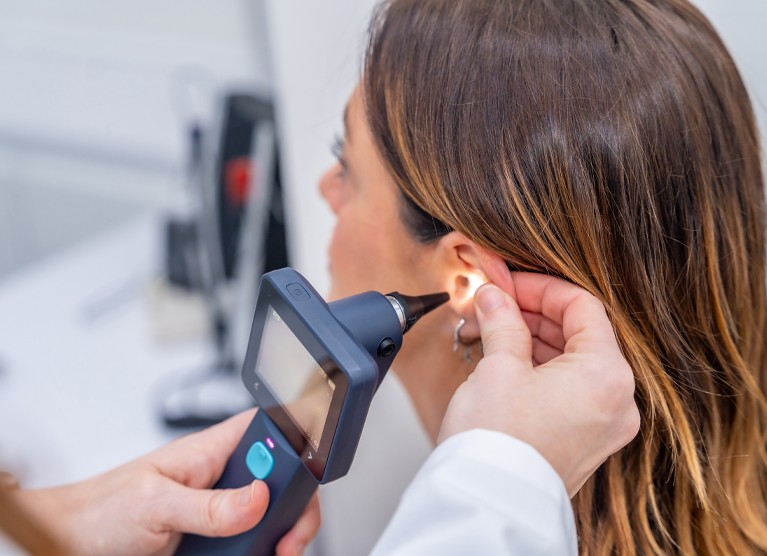
- Otoscopy: Uses a lighted instrument to check for blockages, wax, or visible ear problems.
- Balance or vestibular testing: May be recommended if dizziness or vertigo is present.
If sudden sensorineural hearing loss is confirmed, you may be referred to an ENT (ear, nose, and throat) specialist for additional imaging or bloodwork.

Treatment Options for Sudden Hearing Loss
Treatment depends on the cause and your overall health, but common approaches include:
1. Corticosteroids
Steroids are the most common and evidence-based treatment for SSHL. They can help reduce inflammation and swelling around the inner ear.
They may be given:
- Orally: As prescription tablets
- Intratympanically: As injections through the eardrum directly into the middle ear
2. Treating Underlying Conditions
If viral infections, autoimmune issues, or circulation problems are suspected, your provider may recommend:
- Antiviral medications
- Immune-modulating therapies
- Treatment for cardiovascular or metabolic conditions
3. Hearing Aids or Assistive Devices
If hearing does not fully return, modern hearing aids and assistive listening devices can help restore communication and clarity. A hearing care professional can recommend options tailored to your specific hearing profile and lifestyle.
4. Ongoing Monitoring
Even after improvement, follow-up hearing tests are important to make sure your hearing remains stable and to detect any changes early.

Can Sudden Hearing Loss Be Permanent?
Many people experience at least partial recovery—especially when treated early. However, in some cases, the hearing loss may be long-lasting or permanent.
If your hearing does not fully return, a hearing care professional can:
- Explain your test results in detail
- Recommend hearing aids or other technologies
- Offer strategies to improve communication and confidence

When to See a Hearing Care Professional
Call a hearing care professional or medical provider right away if you experience:
- Sudden hearing loss in one ear
- A feeling of fullness or pressure that doesn’t improve
- A noticeable drop in volume or clarity on one side
- Ringing, dizziness, or a sudden “pop” before hearing changes
Early treatment matters—every hour counts. If something feels “off” with your hearing, trust your instincts and seek help immediately. A prompt hearing screening and medical evaluation can make a real difference in your long-term hearing health.
FAQs About Sudden Hearing Loss

Take Online Hearing Test
Take our free at-home hearing loss test as a first step on your journey to better hearing.
