

10 Everyday Habits That Are Hurting Your Hearing
June 26, 2026 You probably already know that standing next to a blaring speaker at a concert is not exactly a love letter to your ears. But some of the habits that can affect hearing are a lot more ordinary than that. In fact, certain daily routines—the kind most people barely think twice about—can add up over time and put your hearing at risk.
Here are 10 of the most common everyday habits that may be hurting your hearing.

1. Turning Your Earbuds Up to Compete With the World
We've all done it. You're on a walk, at the gym, on a plane, or trying to drown out lawn equipment somewhere in the distance, so up goes the volume. The problem is that listening through headphones or earbuds at high volume for long stretches can put serious strain on your ears. The louder the sound, the less safe listening time you have.
According to the World Health Organization, you can safely listen to 80 dB for up to 40 hours per week—but at 90 dB, that drops to just four hours per week. That means "not painfully loud" is not always the same thing as "safe." If your default setting is "just a little louder," your ears may be paying the price.

2. Using Headphones for Hours Without Giving Your Ears a Break
It is not only about volume. Duration matters too. Even moderate sound levels can become risky when listening stretches on and on without a break. The WHO notes that both the loudness of sound and the length and frequency of exposure affect the risk of hearing loss.
So yes, an all-day playlist, podcast marathon, or back-to-back video call schedule can be part of the issue if the sound is consistently high enough. Your ears appreciate breaks more than you think.
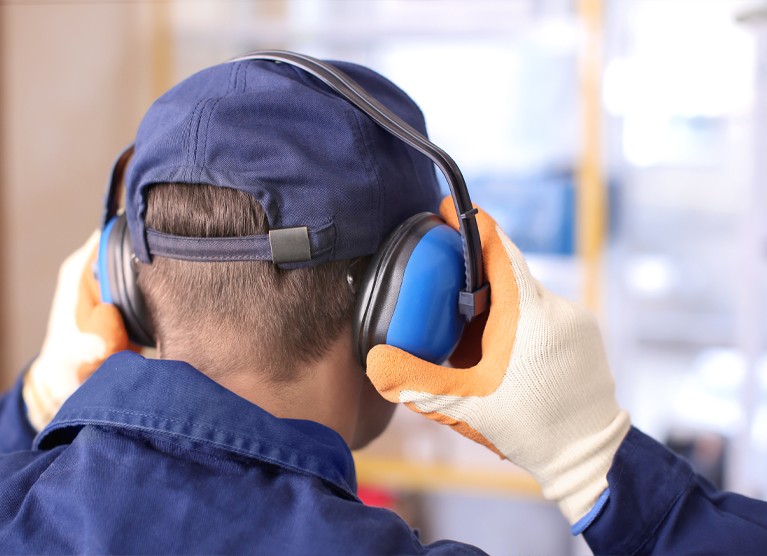
3. Skipping Hearing Protection During "Normal" Noisy Tasks
Most people think about hearing protection at gun ranges or rock concerts. Fewer think about it when mowing the lawn, using a leaf blower, running a tractor, using power tools, or spending time around loud engines and recreational equipment. But the NIDCD recommends avoiding loud sounds when possible, moving away from the source, turning down the volume, or using hearing protection like earplugs or earmuffs when you cannot.
In other words, your everyday "I'll only be out here for a minute" chores may not feel dramatic, but they still count.

4. Cleaning Your Ears With Cotton Swabs
This one feels wildly unfair because so many people grew up thinking cotton swabs were part of normal ear care. In reality, putting anything into your ear canal can push wax deeper, irritate the canal, or even injure the ear. Earwax itself is not the enemy—in fact, it helps protect the ear. But impacted wax can block sound and cause temporary hearing problems.
The WHO lists earwax buildup among common causes of hearing loss, particularly when it obstructs the ear canal. Basically: your ear is usually better at handling earwax than your cotton swab is.
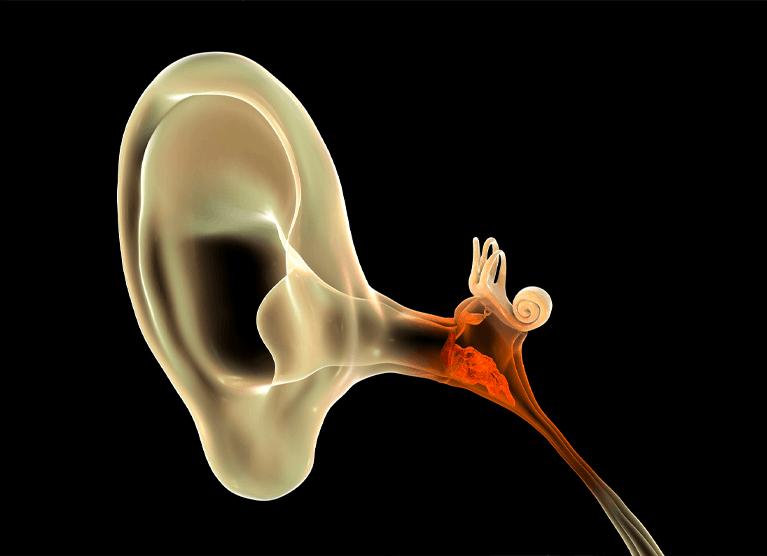
5. Ignoring Recurring Ear Infections or "Clogged Ear" Symptoms
A lot of people assume ear infections are mostly a childhood problem, or that a full, plugged-up feeling will go away on its own. Sometimes it does. Sometimes it does not. Chronic ear infections are recognized by the WHO as an important cause of hearing loss, especially when they are repeated or left untreated.
If your ear feels muffled, pressured, painful, or persistently off, that is worth paying attention to. "I'll wait it out" is not always the best strategy when hearing is involved.

6. Treating Loud Fitness Classes, Bars, and Events Like No Big Deal
Not every risky sound exposure comes from obviously industrial noise. The WHO specifically warns that frequent exposure to amplified music in entertainment venues can contribute to hearing loss, and has estimated that more than 1 billion young people worldwide are at risk due to unsafe listening practices related to recreational sound exposure.
So yes, your spin class, live music venue, sports arena, wedding DJ, and favorite crowded bar can all make the list. Fun is good. Fun with earplugs is smarter.
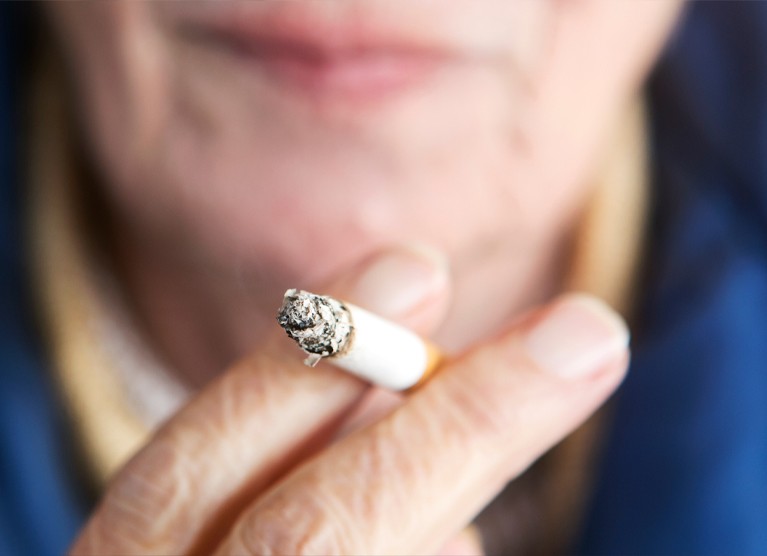
7. Smoking
Smoking affects much more than the lungs and heart. Research cited by the CDC and other public health literature has linked smoking with hearing-related risk factors, and smoking history has been associated with ototoxic medication use and hearing loss risk.
This is one of those hearing-health connections that tends to surprise people, but your ears depend on healthy blood flow and delicate structures that do not benefit from tobacco exposure.
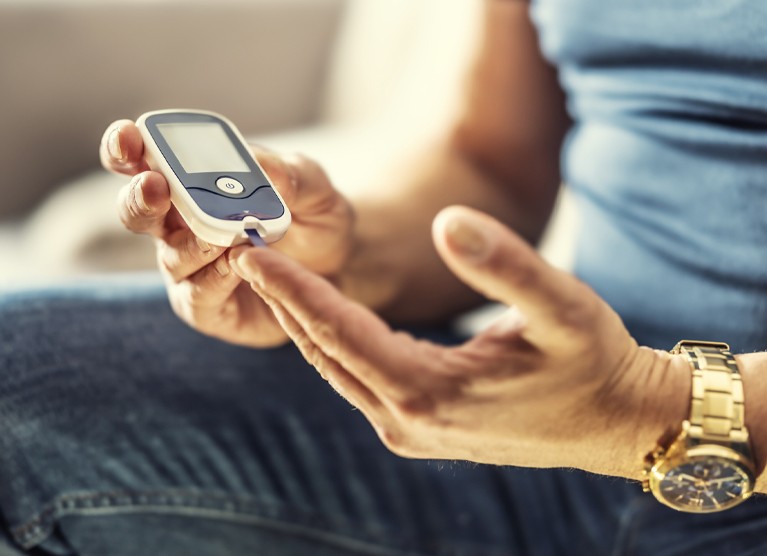
8. Brushing Off Health Conditions Like Diabetes as Unrelated to Hearing
Hearing and overall health are more connected than many people realize. The CDC notes that people with diabetes may be prescribed ototoxic medications and that diabetes-related hearing loss can reduce quality of life. Public health literature has also linked diabetes with hearing loss risk.
If you are managing diabetes or another chronic condition, hearing health is not some random side quest—it is part of the bigger picture.
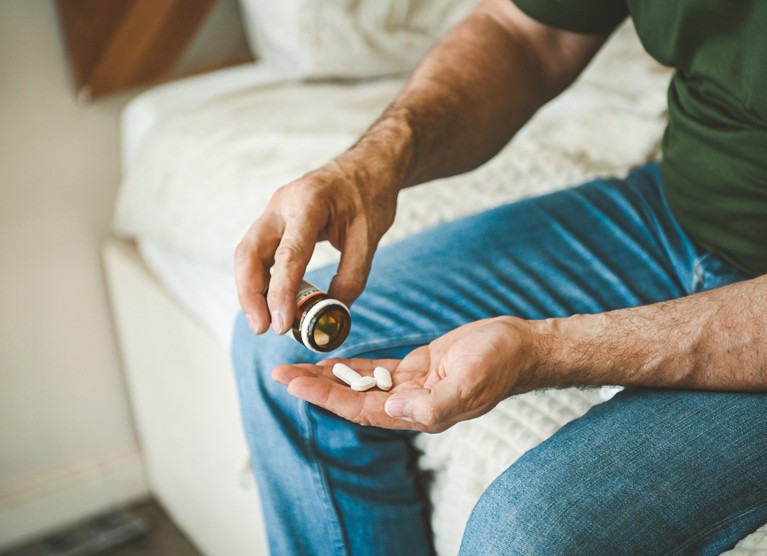
9. Taking Certain Medications Without Realizing Hearing Loss Can Be a Side Effect
Some medications are ototoxic, which means they can harm the ear or affect hearing and balance. The WHO recognizes ototoxic medicines as a cause of hearing loss, and the CDC advises patients taking potentially ototoxic medications to talk with a health care provider if they notice difficulty hearing, ringing in the ears, or balance problems.
That does not mean people should stop needed medication on their own. It does mean hearing changes should not be brushed off as nothing if they show up after starting or changing a medicine.

10. Waiting Too Long to Get Your Hearing Checked
This habit is less dramatic than earbuds or concerts, but it may be one of the most common of all: noticing a problem and doing nothing about it. The WHO recommends hearing checks for people with risk factors such as loud music exposure, ear disease, or use of ototoxic medicines.
Sound familiar? It may be time for a checkup if you:
- Keep asking people to repeat themselves
- Feel like everyone around you is mumbling
- Turn the TV up more than everyone else wants
- Struggle to follow conversations when there is background noise
Those are not things to simply normalize forever. Getting checked is a healthy habit too.
The Bigger Picture
The tricky thing about hearing loss is that it is not always caused by one big obvious event. Sometimes it is a pattern of small, ordinary habits that build up over time: volume a little too high, noise exposure a little too frequent, symptoms a little too easy to dismiss. Many causes of hearing damage are preventable—especially when you lower volume, limit exposure, use hearing protection, and take hearing changes seriously.
If you have noticed changes in your hearing, or even if you have just recognized a few habits from this list, it may be time to schedule a hearing checkup and talk with a hearing care professional.
Frequently Asked Questions (FAQ)
Resources
- CDC, Diabetes, "Promoting Ear Health." https://www.cdc.gov/diabetes/hcp/clinical-guidance/how-to-promote-ear-health-for-people-with-diabetes.html
- WHO, "WHO releases new standard to tackle rising threat of hearing loss." https://www.who.int/news/item/02-03-2022-who-releases-new-standard-to-tackle-rising-threat-of-hearing-loss
- WHO, "Making listening safe." https://www.who.int/activities/making-listening-safe
- WHO, "Safe listening devices and systems: a WHO-ITU standard." https://www.who.int/publications/i/item/9789241515276
- WHO, "Deafness and hearing loss." https://www.who.int/news-room/fact-sheets/detail/deafness-and-hearing-loss
This article is for informational purposes only and does not constitute medical advice. If you suspect hearing loss, tinnitus, or related symptoms, consult your health care provider.

Take Online Hearing Test
Take our free at-home hearing loss test as a first step on your journey to better hearing.
