

3 Parts of the Ear
July 08, 2026 Experiencing hearing changes can feel overwhelming, but understanding how your hearing actually works is one of the most empowering steps you can take. By learning the anatomy of the ear, you can better understand where hearing issues originate—and why today's hearing solutions are so effective at helping you stay connected to the people and moments that matter most.
The human ear is a beautifully complex system. To make sense of it, it helps to look at the three parts of the ear: the outer ear, the middle ear, and the inner ear. Each section plays a specific, vital role in capturing sound waves from your environment and translating them into the sounds you recognize and enjoy every day. Whether you are beginning to notice changes in your hearing or simply want to learn more, this guide is here to walk you through it clearly and comfortably.
The Outer Ear: Collecting the Sounds Around You
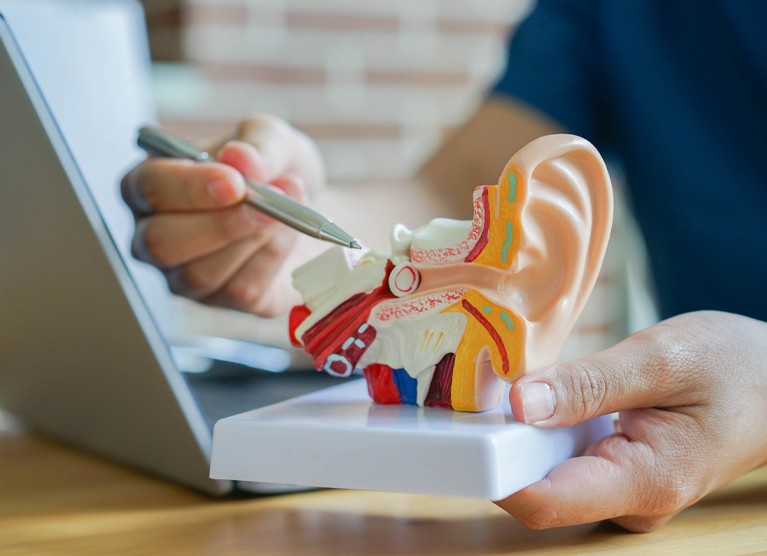
When we talk about the parts of the ear, the outer ear is the most familiar because it is the only section visible on the outside of your head. The primary job of the external ear is to capture sound waves from your environment and funnel them efficiently toward your delicate internal hearing structures.
The outer ear consists of three main structures:
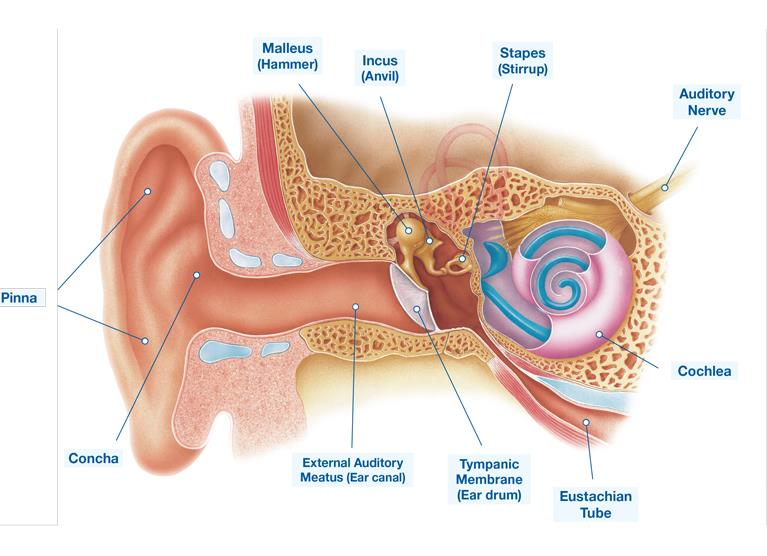
- The Pinna (Auricle): This is the visible, fleshy part of the ear attached to the side of your head. The pinna acts like a satellite dish—its unique curves and ridges are specially designed to gather sound waves and help you determine exactly which direction a sound is coming from.
- The Ear Canal (External Auditory Canal): Once sound waves are captured by the pinna, they travel down a narrow passageway called the ear canal. This canal directs sound deeper into the head while also protecting the more sensitive parts of the ear from dirt, debris, and temperature changes.
- The Tympanic Membrane: Sitting at the very end of the ear canal is the tympanic membrane—the medical term for your eardrum. This thin, tightly stretched piece of tissue serves as the doorway between the outer ear and the middle ear. When sound waves hit it, they cause it to vibrate.
The Middle Ear: Amplifying Sound Vibrations
Once sound reaches the eardrum, the journey moves into the middle ear—a small, air-filled space located directly behind the eardrum, safely housed within the skull's temporal bone. Its main purpose is to take the sound vibrations from the eardrum and amplify them so they are strong enough to travel through the fluid-filled spaces of the inner ear.
Within the middle ear, you will find a delicate and fascinating mechanical system:
- The Ossicles: These are the three smallest bones in the human body, forming a connective bridge across the middle ear. Commonly known as the hammer, anvil, and stirrup (medically: the malleus, incus, and stapes), they work together as a chain—the malleus connects to the eardrum, passes vibrations to the incus, which then moves the stapes to push against the oval window.
- The Oval Window: This small membrane marks the exact boundary between the middle and inner ear. As the stapes presses gently against it, amplified sound vibrations are transferred into the fluid-filled inner ear.
- The Eustachian Tube: This narrow canal connects the middle ear to the back of the throat. It opens briefly when you swallow or yawn to equalize air pressure—this is the mechanism responsible for the "popping" sensation you may feel when flying in an airplane.
The Inner Ear: Translating Sound and Maintaining Balance
The inner ear is the most intricate of all the parts of ear anatomy. Completely enclosed within the temporal bone and filled with fluid rather than air, this section of the ear has two entirely different but equally important jobs: translating sound vibrations into electrical signals for the brain, and helping you maintain your physical balance.
The Auditory System (For Hearing)
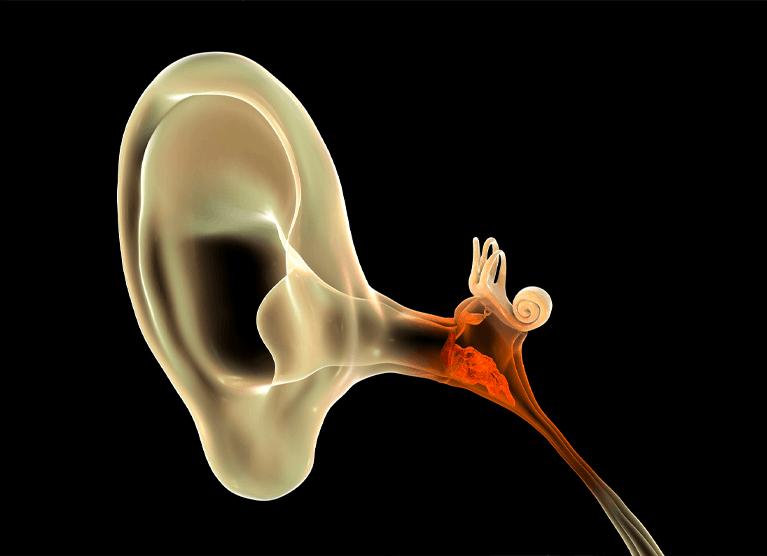
The hearing portion of the inner ear is called the cochlea—a fluid-filled, snail-shaped structure essential for hearing. Inside, the basilar membrane is lined with thousands of microscopic hair-like sensory cells. When the stapes pushes against the oval window, it creates ripples in the cochlear fluid, causing these hair cells to bend and trigger electrical signals that travel via the auditory nerve to your brain, where they are recognized as voices, music, or the sound of rainfall.
When people experience age-related hearing loss, it is frequently due to natural wear and tear on these delicate hair cells over time. This is incredibly common, and today's advanced hearing aids are specifically designed to support this part of the ear—clarifying and amplifying the exact frequencies you need to comfortably rejoin the conversation.
The Vestibular System (For Balance)
The inner ear is also home to your vestibular system, which manages your sense of balance and spatial orientation. This system includes three semicircular canals—fluid-filled, looped tubes arranged at different angles—along with the vestibule, which contains the utricle and saccule. When you move your head, the fluid inside these canals shifts, moving the hair cells and sending signals to your brain about your exact position and movement, quietly keeping you steady throughout your day.
How the Parts of the Ear Work Together
Understanding ear anatomy is easiest when you view it as a single, continuous journey. Here is exactly how sound travels through the three parts of the ear from the world around you to your brain:
- Collection: The pinna of your outer ear catches sound waves and directs them down the ear canal.
- Vibration: The sound waves strike your tympanic membrane (eardrum), causing it to vibrate.
- Amplification: These vibrations travel through the middle ear via the three tiny ossicular bones—the malleus, incus, and stapes—which amplify the sound.
- Fluid Translation: The stapes pushes on the oval window, sending fluid ripples through the snail-shaped cochlea in your inner ear.
- Signal Delivery: The moving fluid bends the microscopic hair cells, which create electrical signals. The auditory nerve carries these signals to your brain, where they are finally understood as sound.

Hearing Loss Does Not Have to Change Your Lifestyle
When all these parts work in harmony, you experience effortless hearing. However, if any part of this journey is interrupted—whether by a blockage in the outer ear, fluid in the middle ear, or worn hair cells in the inner ear—it can result in hearing loss. We believe hearing loss does not have to mean a permanent change in lifestyle. With the right support and the appropriate hearing solutions, we can help you confidently return to and enjoy the moments you love.
Ready to Take the Next Step?
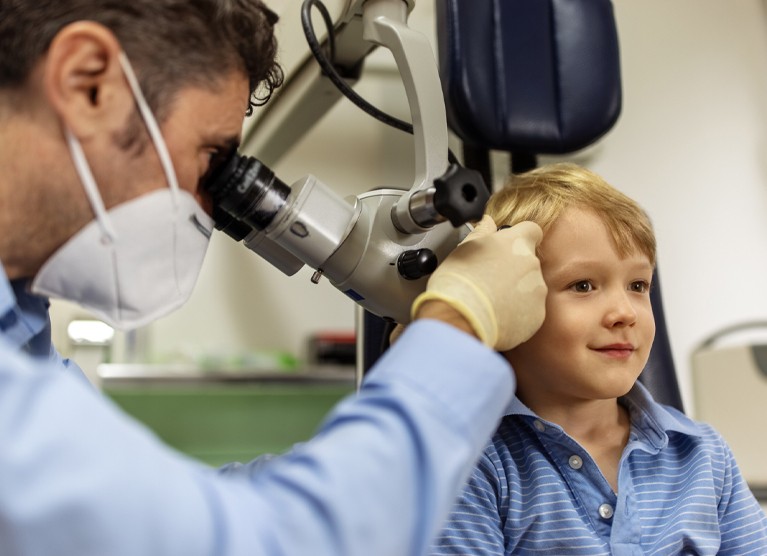
Now that you understand how your ears work, you are better equipped to have an informed conversation with a hearing care professional about any changes you may have noticed. Your hearing care partner is ready to guide you every step of the way.
Schedule a hearing appointment today and take the first step toward staying connected to the sounds and people you love.
Frequently Asked Questions (FAQ)
This article is for informational purposes only and does not constitute medical advice. If you have questions about your hearing health or hearing solutions, consult your hearing care provider.

Online Hearing Test

Book Your Free Appointment

Reviewed By
Kathy McGowan, AuD CCC-A, Doctor of Audiology
Kathy McGowan is the Manager of Managed Care Programs with Beltone Corporation . Kathy worked with the Professional Development Training Team as well as the Operations Team and Beltone Corporate Retail for 8 years before being promoted to her current position. Prior to joining Beltone Corporate, Kathy worked for 10 years as an Audiology Manager in a private practice. She has worked in many settings as an Audiologist including an ENT practice, a hospital, an Optical and Hearing Company, and in the Military, retiring as a LtCol. Kathy earned her Bachelor’s in Speech and Hearing and Master’s in Audiology from Ohio University in Athens, Ohio, and went on to receive her Audiology Doctorate from A.T. Still University School of Health Sciences. Kathy is currently licensed in seven states.