

The Complete Guide to Mini and Micro Hearing Aids: Finding Your Perfect Fit
June 26, 2026 Deciding to address your hearing loss is a significant and positive step toward reconnecting with the people and activities you love most. It is completely natural to feel a mix of hope and hesitation when exploring your options. Many people worry that wearing a hearing aid will change how they look or make them feel self-conscious.
If you find yourself holding back because you want a discreet solution that blends seamlessly into your life, you are absolutely not alone. Today's hearing technology has evolved incredibly. You no longer have to choose between exceptional sound quality and a subtle appearance.
Mini hearing aids and micro hearing aids are designed to be virtually invisible, offering powerful support while remaining comfortably hidden either inside your ear canal or tucked neatly behind your ear. In this guide, we will walk through the different styles available, how to evaluate sound quality and battery life, the difference between over-the-counter and prescription options, and what to expect as you adjust to your new devices.

Understanding Mini and Micro Hearing Aids
When we talk about mini and micro hearing aids, we are referring to a category of hearing devices specifically engineered to minimize their physical footprint while maximizing their performance. They are crafted using advanced microelectronics, meaning that the microphones, processors, and speakers are miniaturized to fit into tiny casings.
Why Choose a Smaller Hearing Aid?
The benefits of choosing a discreet hearing aid extend far beyond aesthetics. While the primary appeal is often their nearly invisible nature, there are several practical reasons why these devices might be the perfect fit for your lifestyle.
- Comfort: When choosing a smaller hearing aid, the style you select plays a major role in how it fits into your daily routine. While mini Receiver-in-Ear (RIE) models are incredibly lightweight, they still sit behind the ear and can sometimes conflict or rub against eyeglasses, oxygen tubing, hats, or helmets. If you want to avoid this completely, custom In-the-Ear (ITE) or Invisible-in-Canal (IIC) styles fit entirely inside your ear canal, leaving the back of your ear free.
- Natural Sound: Sound quality is highly influenced by where the device sits in your ear. With custom ITE styles, an audiologist can often order a longer canal or a deep-fitting IIC that extends beyond the second bend of your ear canal. This places the device much closer to your tympanic membrane (eardrum), which leverages your ear’s anatomy to deliver a natural sound quality. While small RIE models can also provide an excellent, natural listening experience, this will depend more heavily on the shape of your canal, your specific hearing loss, and the type of coupler attached.
- Confidence: Knowing that your hearing aid is discreet can provide a significant boost. You can focus entirely on the conversations and moments that matter, rather than worrying about whether someone is looking at your device.
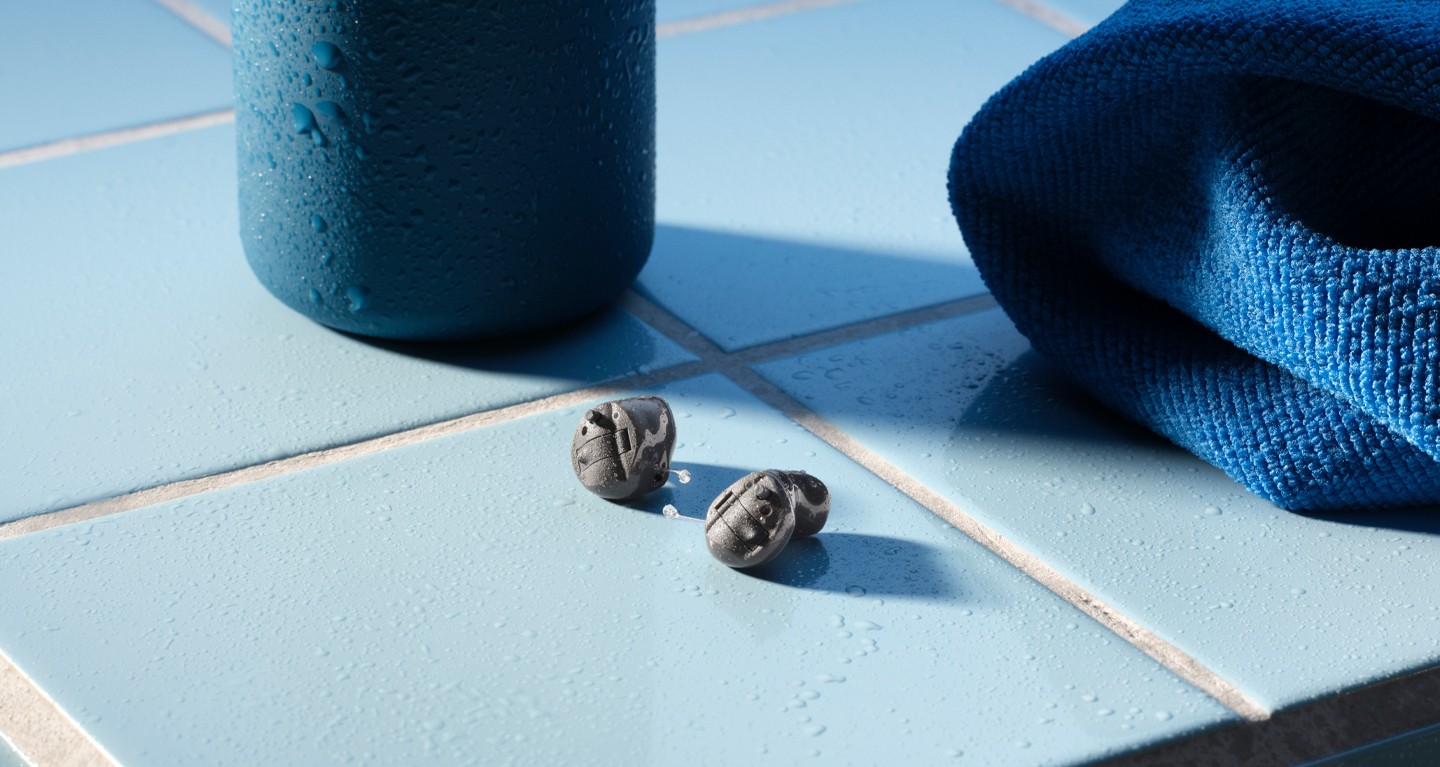
Exploring the Top Styles of Discreet Hearing Aids
Finding the right hearing aid involves matching the physical style to your specific hearing needs, your ear anatomy, and your daily activities. There is no one-size-fits-all approach to hearing care. Here is a detailed look at the most popular styles of mini and micro hearing aids.
Completely-in-Canal (CIC) Hearing Aids
Completely-in-Canal (CIC) hearing aids are custom-molded to fit entirely inside your ear canal. Because they are nestled deep within the ear, they are one of the most discreet options available—typically invisible to anyone unless they are looking directly into your ear from a very close distance.
- Ultimate Discretion: Their tiny size makes them a favorite for individuals who want an invisible solution.
- Custom Comfort: Custom-made from a precise impression of your ear canal, they offer a tailored, secure fit.
- Natural Sound Funneling: By sitting deep in the ear canal, CIC models use the natural acoustics of your outer ear to capture sound, which helps significantly with reducing wind noise outdoors.
- No Interference: They do not sit behind the ear, making them perfectly compatible with glasses or face masks.
Note that CIC hearing aids are generally non-wireless, meaning they do not typically feature Bluetooth connectivity. Their small batteries may also need to be changed more frequently. However, if your primary goal is a custom-fit, invisible device for clear face-to-face conversations, a CIC is an excellent choice.
Micro Receiver-in-Ear (microRIE) Hearing Aids
In a microRIE hearing aid, the main body of the device sits discreetly behind your ear, while a nearly invisible, ultra-thin wire connects to a tiny speaker (the receiver) that rests comfortably inside your ear canal. The part that sits behind your ear is designed to be as small as possible—easy to keep tucked behind your ear and hair.
Even with their compact size, microRIE hearing aids offer advanced features that make it easier to focus on conversations in busy places, and in many cases allow for wireless connections to other devices. They are weatherproof and sweat-resistant, and many models are rechargeable—letting you stream phone calls, music, or podcasts from your compatible smartphone directly to your hearing aids.
Mini Receiver-in-Ear (miniRIE) Hearing Aids
The miniRIE is slightly larger than the microRIE but still falls firmly into the category of small, discreet hearing aids. This slight increase in size allows it to accommodate even more advanced features and larger power sources, making it one of the most versatile and popular choices on the market.
- Exceptional Connectivity: MiniRIE hearing aids are frequently equipped with Bluetooth technology for streaming phone calls, podcasts, music, and more from your compatible smartphone.
- Rechargeability: Many miniRIE models offer built-in rechargeable batteries—simply place your hearing aids in their charger at night, and they are ready to go in the morning.
- Powerful Performance: The slightly larger casing allows for more sophisticated processing chips, meaning better handling of background noise, sharper sound quality, and the ability to adapt to a wider range of hearing loss levels.
- Weatherproof Reliability: These hearing aids feature special protective coatings so you can spend time outdoors gardening, walking, or playing with grandchildren without worrying about sweat or a light rain shower.
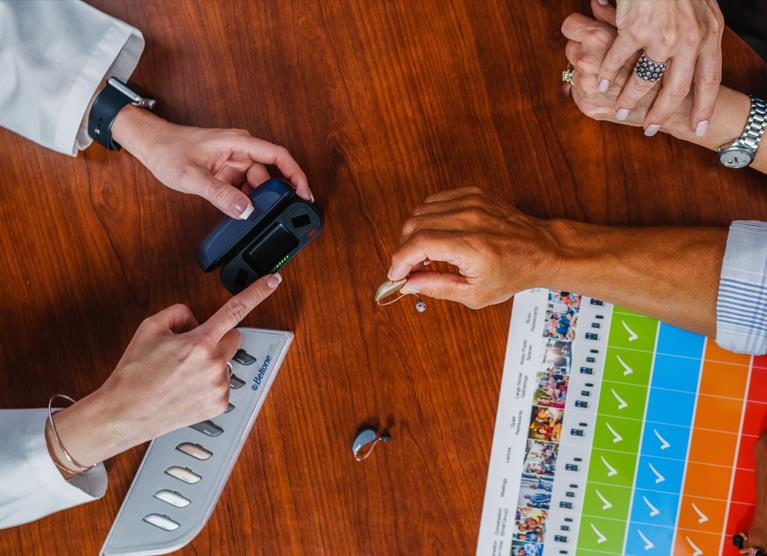
Key Features to Consider in Small Hearing Aids
When you are exploring your options, understanding how different features will impact your daily life helps you ask the right questions during your hearing care appointment.
Sound Quality and Background Noise Reduction
Modern mini and micro hearing aids use sophisticated computer processors to constantly analyze the sound environment around you. In a quiet living room, the hearing aid will focus on providing a warm, natural sound. In a noisy restaurant, it can automatically detect background noise—clattering dishes and background chatter—and reduce those sounds while simultaneously amplifying the speech of the person sitting across from you.
Battery Life and Rechargeability
Small devices like CIC models typically use disposable batteries (often a size 10, marked with a yellow tab) that may need replacing every few days. If handling small batteries is a concern, rechargeable miniRIE and microRIE models are a wonderful alternative—simply treat them like your smartphone, use them all day, place them in their charging case at night, and wake up to a full day of reliable hearing support.
Bluetooth and Smart Connectivity
Bluetooth-enabled hearing aids, such as many miniRIE and microRIE models, act like custom, high-quality wireless earbuds. When your phone rings, you hear the caller's voice directly in your ears. You can also use smartphone apps to discreetly adjust your volume or change settings without anyone knowing—it looks just like you are checking a text message.
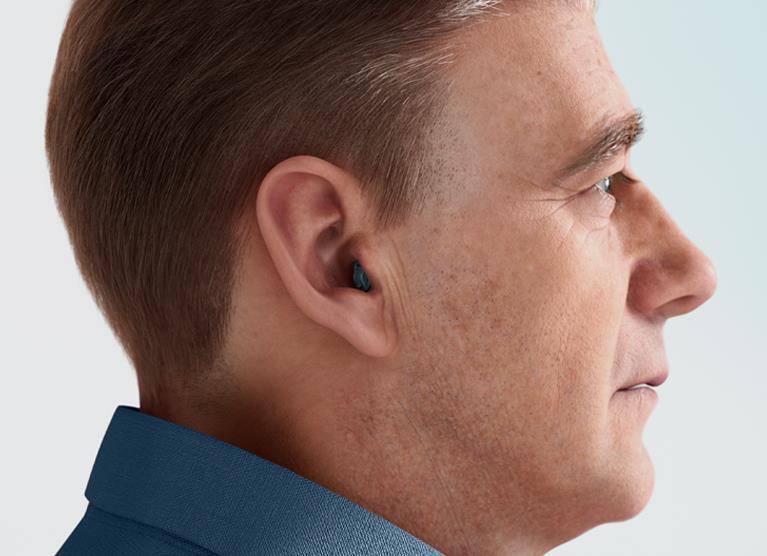
The Difference Between Over-the-Counter and Prescription Hearing Aids
As you research small hearing aids, you will likely encounter both over-the-counter (OTC) and prescription options. Understanding the difference is crucial to finding the solution that will truly support your needs.
Over-the-Counter (OTC) Hearing Aids
Over-the-counter hearing aids are available for purchase directly from stores or online without a hearing exam or professional fitting. They are designed specifically for adults with perceived mild to moderate hearing loss, and offer an accessible, more affordable entry point. However, they are self-managed—you are responsible for fitting, programming, and troubleshooting—and are not suitable for individuals with severe hearing loss or complex hearing profiles.
Prescription Hearing Aids
Prescription hearing aids are dispensed by a licensed hearing care professional after a comprehensive hearing test. Everyone's hearing loss is completely unique—a professional will program the hearing aid precisely to your specific needs, taking into account which frequencies you struggle with most. Every hearing aid purchase comes with a hearing care partner who will be right beside you every step of the way, with ongoing support to ensure that as your hearing changes, your devices can be adjusted accordingly.
Adjusting to Your New Mini Hearing Aids: Step-by-Step
Adjusting to hearing aids is a process. Your brain has likely been deprived of certain sounds for a long time, and it needs time to relearn how to process them. This is completely normal.
- Start At Home and Wear Them All Day: Rather than wearing your hearing aids for just an hour or two, experts recommend wearing them at home right away for at least 8 to 10 hours a day. Keeping them in during your normal daily routine at home helps your brain build up tolerance and adapt to everyday sounds—like the hum of the refrigerator, your own footsteps, or the rustling of paper—without the sensory overwhelm of a noisy public space.
- Practice Conversations Face-to-Face: Engage in face-to-face conversations with family and friends. Start one-on-one in a quiet room to get used to the sound of your own voice and the clarity of theirs, then gradually practice in larger family groups to help your brain learn to identify and separate different speakers.
- Train Your Ears to Locate Sounds: New hearing aid users can sometimes feel overwhelmed by a sudden influx of sound. Practice mindfulness by consciously identifying different sounds around you and figuring out exactly where they are coming from. This exercise builds the cognitive skills needed when you eventually transition to complex environments, like a busy restaurant.
- Challenge Your Brain with TV and Captions: When watching TV, turn on the captions or subtitles. Reading the text while listening helps retrain your brain and dramatically improves speech comprehension by pairing visual and auditory cues. Additionally, have someone with normal hearing set the TV volume to a standard level so your brain can adjust to a realistic "baseline" volume.
- Lean on Your Hearing Care Partner: The first few days are the most challenging. It is completely normal to experience mild headaches, tiredness, itchy ears, or sound fatigue as your brain re-acclimates. If you need to take a brief break, do so—but don't give up. Share all of your feedback with your hearing care professional; minor programming adjustments or a physical refitting can easily resolve discomfort and make a massive difference in your clarity.

Ready to Take the Next Step?
To buy with confidence, start by scheduling a comprehensive hearing screening. This is an essential first step to understanding your hearing loss. A professional can then explain exactly which mini or micro hearing aid styles will work best for your anatomy and your lifestyle goals, and discuss financing options, trial periods, and what to expect in terms of ongoing support.
Frequently Asked Questions (FAQ)
This article is for informational purposes only and does not constitute medical advice. If you suspect hearing loss or have questions about hearing devices, consult your hearing care provider.

Online Hearing Test

Book Your Free Appointment

Reviewed By
Mindy Staller, AuD
Mindy Staller, AuD, is an Audiologist and Manager of Patient Experience and Sales Enablement with over 26 years of experience in hearing healthcare. She earned her bachelor’s degree in Communication Disorders from The Pennsylvania State University, her master’s degree in communication sciences with a concentration in Audiology from Temple University in Philadelphia, and her Doctor of Audiology from A.T. Still University in Mesa, Arizona. Mindy has extensive experience as a practicing audiologist and has held roles in corporate leadership, professional development, regional sales management, and clinical training. At Beltone, she is passionate about educating and mentoring hearing health professionals across the organization to ensure they provide the highest standard of patient care. Learn more by visiting her LinkedIn here.