

Sizzle Sound in Ear: Common Causes and When to Get Help
November 09, 2026 Hearing an unexpected noise inside your head can be an unsettling experience. If you have recently started noticing a distinct sizzle sound in your ear, you might be wondering where it is coming from and what it means for your hearing health. You are not alone in this experience. Many people encounter unusual ear sounds at some point in their lives, and while these noises can be distracting, understanding their source is the first step toward finding relief.
Ear sounds can manifest in a variety of ways. Some people describe the sensation as a crackling sound, similar to a bowl of crispy rice cereal milk, while others hear a continuous hissing, buzzing, or static-like sound. Understanding the subtle differences in these noises, and identifying when they occur, can provide helpful clues about what might be happening inside your ear canal or middle ear.
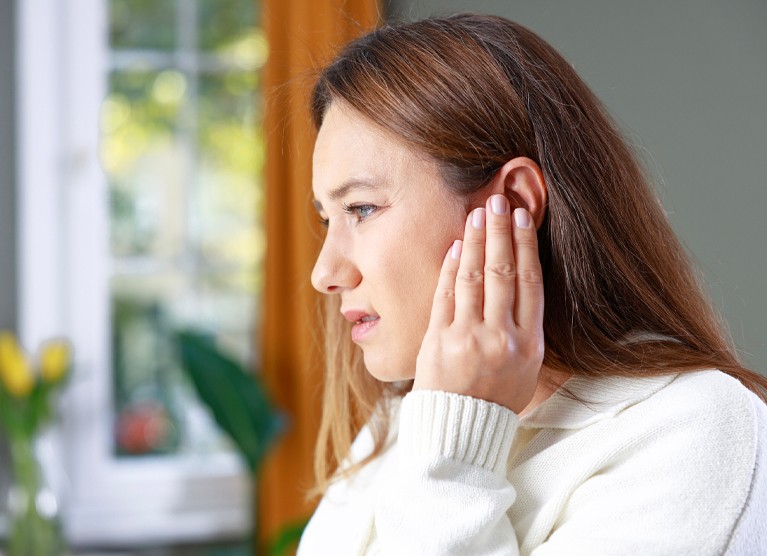
Understanding the Sounds in Your Ear
When trying to identify the cause of a sizzling sound, it is helpful to pay attention to when the noise happens. Does the sizzling or crackling sound occur only when you are swallowing, yawning, or chewing? If so, the sound is likely mechanical in nature, meaning it is related to the physical movement of the tiny structures in and around your ear.
On the other hand, if you are hearing a constant static-like sound, hissing, or sizzling that never seems to stop, you might be experiencing a form of tinnitus. Tinnitus is the perception of sound when no actual external noise is present. Whether the sound is mechanical or related to tinnitus, recognizing the pattern is an important part of understanding your hearing health and determining the best path forward.
Common Causes of Sizzling and Crackling Sounds
There are several completely natural and highly manageable reasons why you might be hearing a sizzle sound in your ear. Most of these causes are temporary and related to how your ear regulates pressure, handles debris, or responds to inflammation.
Earwax Buildup
Your ear canal naturally produces wax to protect your inner ear from dust, dirt, and bacteria. Usually, earwax slowly migrates out of the ear on its own. However, if earwax buildup occurs, it can dry out and harden near the eardrum. As your jaw moves during normal activities like talking or eating, this dry wax can shift, creating a physical crackling or sizzling noise as it brushes against the sensitive eardrum.
Eustachian Tube Dysfunction
The Eustachian tubes are small passageways that connect your middle ear to the back of your throat. Their primary job is to regulate ear pressure and drain fluids. When you have a cold, allergies, or a sinus infection, these tubes can become inflamed or blocked with mucus. This blockage is known as Eustachian tube dysfunction. When the tubes struggle to open and close properly, you may experience a feeling of ear fullness, congestion, and muffled hearing. As the tubes try to equalize the pressure, you will often hear popping, clicking, or sizzling sounds.
Middle Ear Fluid and Ear Infections
Following a cold or respiratory infection, middle ear fluid can become trapped behind the eardrum. Even if there is no active ear infection, this fluid can linger. As the fluid shifts or bubbles naturally, it often creates a crackling sound. If the fluid becomes infected, it can lead to an ear infection, which may bring additional symptoms like ear pain or a feeling of intense ear pressure.
TMJ Disorders and Jaw Tension
Your temporomandibular joint, or TMJ, is the hinge that connects your jaw to your skull, sitting right beneath your ears. Jaw tension, teeth grinding, or TMJ disorders can cause inflammation in this area. Because the joint is so close to the ear canal, the physical sounds of inflamed joints shifting can echo directly into the ear, sometimes presenting as a sizzling, popping, or crackling noise.
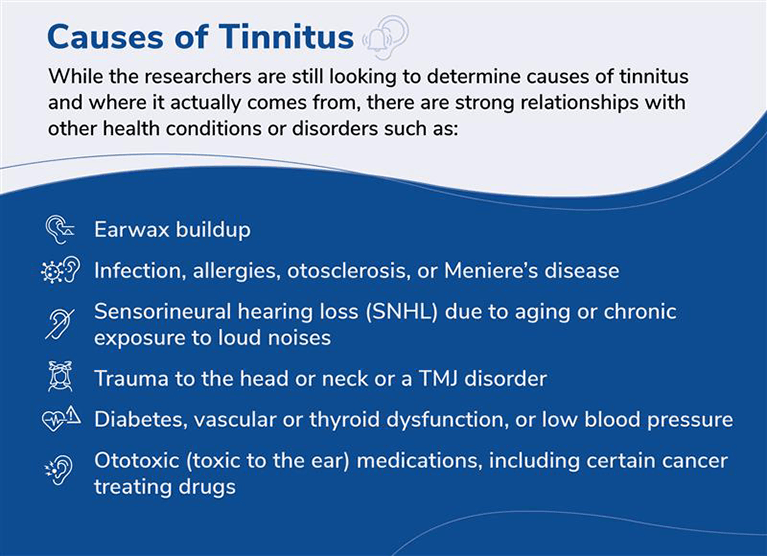
The Connection Between Sizzling Sounds and Tinnitus
If the sizzle sound in your ear is persistent and does not change when you move your jaw or swallow, it may be a symptom of tinnitus. Tinnitus is very common and can present as ringing, buzzing, roaring, or a static-like sound similar to a sizzling frying pan.
Often, tinnitus is a side effect of loud noise exposure. Attending loud concerts, working in noisy environments, or listening to loud music over time can lead to noise-induced hearing loss. When the tiny hair cells in the inner ear are damaged by loud noises, they can begin sending random electrical signals to the brain, which the brain interprets as a constant sizzling or hissing sound.
Tinnitus is also frequently linked to age-related hearing loss. It is completely normal for our hearing to change over time. However, acknowledging these changes can be difficult. Experiencing hearing loss can take an emotional toll, making it harder to enjoy social gatherings or connect with loved ones.
The good news is that hearing loss and tinnitus are solvable issues, not permanent obstacles. Modern hearing solutions are designed to blend seamlessly into your lifestyle. Finding a dedicated hearing care partner ensures you have someone right beside you on your journey to better hearing. A professional can help you understand your hearing loss and focus on the benefits of using a hearing aid, giving you the tools to confidently return to and enjoy your daily life.

Safe Short-Term Steps You Can Take at Home
If you are experiencing a mild, intermittent sizzling or crackling sound related to ear pressure or mild congestion, there are several safe steps you can take at home to encourage your ears to clear naturally.
- Swallowing and Yawning: These simple actions engage the muscles around the Eustachian tubes, helping them open and equalize ear pressure.
- Chewing Gum: The repetitive motion of chewing gum can gently massage the jaw and encourage the Eustachian tubes to open, which may relieve feelings of ear fullness.
- Using Background Noise: If a constant sizzling sound is making it difficult to concentrate or sleep, introducing white noise can be highly effective. A fan, a white noise machine, or soft background music can help mask the sound, making it much easier to ignore.
- Managing Mild Congestion: If you suspect allergies or a mild sinus infection is causing the sound, over-the-counter options like a saline nasal spray, decongestants, or antihistamines might help reduce the inflammation in your nasal passages and Eustachian tubes.
- Avoid Cotton Swabs: It is critical to never insert cotton swabs, hairpins, or any other objects into your ear canal. If the sizzling is caused by earwax buildup, a cotton swab will likely push the wax deeper against the eardrum, worsening the problem and risking physical damage to your ear.
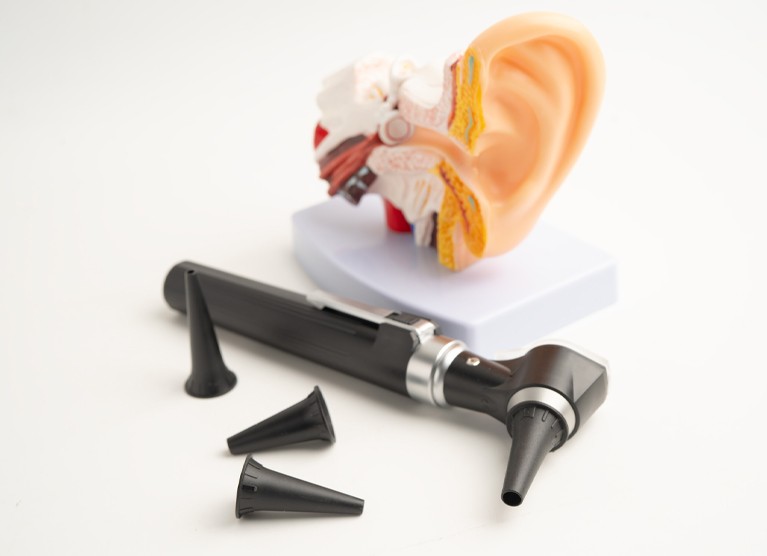
When to Seek Prompt or Urgent Evaluation
While many ear sounds are harmless and resolve on their own, certain symptoms indicate that you should seek medical evaluation from a healthcare provider. Recognizing these signs early can help protect your hearing health.
- Sudden Hearing Loss: If the sizzling sound is accompanied by a sudden, unexplained loss of hearing in one or both ears, this is considered a medical emergency. Sudden hearing loss requires immediate medical treatment to give you the best chance of recovering your hearing.
- Pulsatile Tinnitus: If the sound in your ear rhythmically matches your heartbeat or pulse, this is known as pulsatile tinnitus. This can be related to blood pressure changes or blood vessel issues and should be evaluated by a doctor to rule out underlying vascular conditions.
- Pain or Drainage: A sizzling sound accompanied by severe ear pain, fever, or fluid drainage from the ear canal strongly suggests a severe ear infection or a ruptured eardrum, requiring prompt medical care.
- Dizziness or Vertigo: If you experience severe dizziness, vertigo, or issues with your balance alongside the ear noises, it could indicate an inner ear disorder or the effects of a head injury.
- Facial Weakness: Any ear symptoms that appear alongside numbness or facial weakness should be evaluated by an emergency medical professional immediately.
Frequently Asked Questions (FAQ)

Online Hearing Test
