

9 Surprising Causes of Hearing Loss
June 26, 2026 You probably already know that aging and loud noise can affect your hearing. But those aren't the only things that can play a role in how well you process sound — the culprit behind changes in your hearing might be hiding in plain sight.
It is common knowledge that standing directly next to the speakers at a heavy metal concert or operating a jackhammer without ear protection is going to leave your ears ringing. But those aren't the only things that can play a role in how well you process sound.
The human ear is an incredibly complex and delicate biological machine. Because it relies on a highly specialized network of microscopic hair cells, precise fluid balances, tiny vibrating bones, and complex neural pathways, it is surprisingly vulnerable to systemic changes in your body. Hearing loss can also be linked to everything from stubborn earwax buildup to certain everyday medications, and even some underlying health conditions you might not immediately connect to your ears.
If you have been noticing a sudden change in your hearing, a persistent ringing, or just a general sense that the world sounds slightly muffled, the culprit might be hiding in plain sight. Here are 9 surprising causes of hearing loss that might be affecting you right now, along with what you can do to protect your auditory health.

1. Earwax Buildup
It is not glamorous, but it is very real. A buildup of earwax (medically known as cerumen impaction) can block sound waves from traveling down through the ear canal to the eardrum, making it seem like your hearing has suddenly gotten significantly worse.
Why It Happens
Earwax is entirely natural and healthy. Your body produces it to trap dust, repel water, and protect the delicate skin of the ear canal from bacterial and fungal infections. Normally, your ear is self-cleaning; jaw movements from talking and chewing naturally migrate old wax out of the ear. However, some people naturally produce more wax than others, and using foreign objects (like cotton swabs, hairpins, or poorly fitted earplugs) can actually shove the wax deeper into the ear canal, packing it tightly against the eardrum.
The Symptoms
When you have impacted earwax, you might experience conductive hearing loss. This often feels like your ear is "plugged" or stuffed with cotton. You might also experience mild dizziness, a feeling of fullness in the ear, or a persistent ringing known as tinnitus.
What to Do Next
The good news is that this kind of hearing loss is entirely treatable once the blockage is safely addressed. Step one: step away from the cotton-tipped swabs. Attempting to dig the wax out usually makes the impaction worse. Instead, consider using over-the-counter ear drops designed to safely soften the wax. If the problem persists, visit a healthcare provider or an audiologist. They have specialized tools, such as micro-suction or gentle water irrigation systems, to safely clear the ear canal and instantly restore your hearing.
Never use cotton swabs, hairpins, or any object to dig wax out of your ear canal. This almost always pushes the wax deeper and can cause a more severe impaction — or damage to the eardrum.
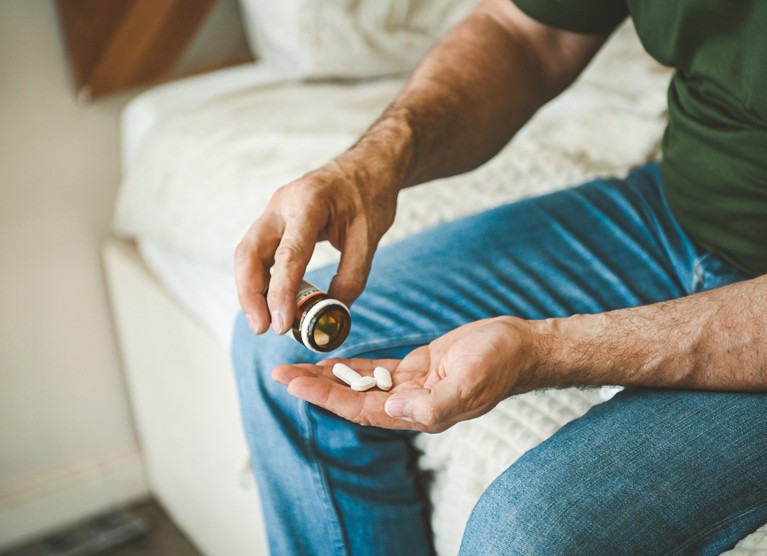
2. Certain Medications (Ototoxicity)
When you take medication to cure an illness or manage a condition, you expect to feel better, not to lose your hearing. Yet, some medicines are considered ototoxic, meaning they have the potential to damage the inner ear. The World Health Organization (WHO) specifically lists ototoxic medicines as a major cause of hearing loss, and this is one of those risks many people never hear about until it directly affects them.
Why It Happens
Ototoxicity occurs when chemical substances negatively react with the delicate sensory hair cells in the inner ear (the cochlea) or the vestibulo-ocular nerve pathways responsible for balance. Currently, there are over 200 known ototoxic medications on the market. These include certain powerful intravenous antibiotics (like aminoglycoside-induced hearing loss), chemotherapy drugs (such as cisplatin-induced damage), loop diuretics used for heart failure, and even high doses of common over-the-counter pain relievers like aspirin.
The Symptoms
The first signs of ototoxicity usually present as a high-pitched ringing in the ears (tinnitus) or balance problems and dizziness. Over time, this can progress to bilateral (both ears) sensorineural hearing loss.
What to Do Next
Never stop taking a prescribed, life-saving medication without consulting your healthcare provider first. If you are prescribed a known ototoxic drug, talk to your doctor about monitoring your hearing during treatment. An audiologist can perform baseline pure-tone hearing tests before you start the medication and monitor your auditory system throughout your treatment to catch any early warning signs of damage.
If you are starting a new medication — especially a long-term antibiotic, chemotherapy drug, or high-dose pain reliever — ask your prescribing physician whether it carries a risk of ototoxicity. A simple baseline hearing test before treatment begins can make early detection much easier.

3. Smoking
Smoking is usually discussed in relation to the lungs, heart, or throat, but extensive scientific research has also definitively linked it to hearing problems. If you needed another reason to kick the habit, protecting your ability to hear the world around you is a highly compelling one.
Why It Happens
Your inner ear is highly dependent on a rich, steady supply of oxygenated blood to function correctly. Smoking restricts blood flow throughout the entire body by narrowing the blood vessels. Furthermore, the carbon monoxide and nicotine present in cigarette smoke deplete oxygen levels, essentially starving the delicate hair cells in the cochlea. Once these hair cells are damaged or destroyed by oxygen deprivation, they do not regenerate, leading to permanent sensorineural hearing loss.
The Symptoms
Smokers are far more likely to experience high-frequency hearing loss, making it difficult to understand speech, especially in noisy environments. They are also at a much higher risk of developing chronic tinnitus. Interestingly, even secondhand smoke has been shown to increase the risk of hearing loss in non-smokers who are frequently exposed to it.
What to Do Next
The most effective preventative measure is to quit smoking entirely and to avoid environments with heavy secondhand smoke. While quitting cannot reverse the hearing damage that has already occurred, it can dramatically slow down the progression of further vascular-related hearing loss.
The inner ear's hair cells do not regenerate once destroyed. Any hearing loss caused by smoking-related oxygen deprivation is permanent — which is why quitting sooner rather than later makes a real difference in how much hearing you can preserve.

4. Diabetes
This is one of the biggest "wait, really?" items for readers. Diabetes is primarily known as a metabolic disease that affects how your body regulates blood sugar. However, diabetes has been strongly associated with hearing loss, likely because it can profoundly affect blood vessels and nerves throughout the body, including the auditory system.
Why It Happens
High blood glucose levels over a prolonged period can cause severe damage to the small blood vessels and nerves of the inner ear. Just as diabetes can lead to neuropathy (nerve damage) in the hands and feet, or retinopathy (blood vessel damage) in the eyes, it can cause the exact same type of microvascular damage in the hearing system. Studies have shown that hearing loss is twice as common in people with diabetes compared to those without the condition.
The Symptoms
Hearing loss caused by diabetes typically happens gradually over time. You might not notice it at first, but eventually, you may find yourself constantly asking people to repeat themselves, struggling to follow conversations in crowded rooms, or turning the television volume up to levels that bother others in the room.
What to Do Next
Strict management of your blood sugar levels is the best way to prevent or delay diabetes-related hearing loss. Work closely with your endocrinologist or primary care physician to manage your A1C levels through diet, exercise, and medication. Additionally, if you have diabetes, you should schedule an annual comprehensive hearing screening with an audiologist to monitor any changes.
People with diabetes should include a yearly hearing evaluation as part of their routine care — just as they would schedule annual eye exams to check for retinopathy. Catching gradual hearing changes early allows for faster intervention and better outcomes.
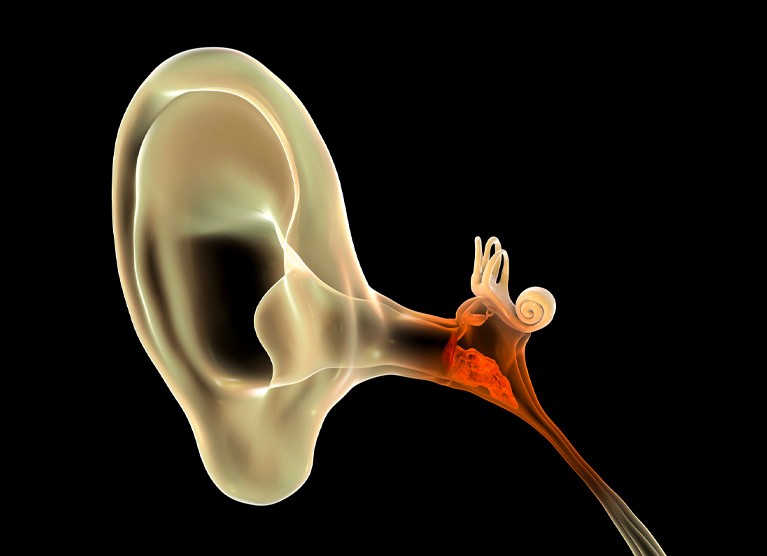
5. Repeated Ear Infections
We tend to think of ear infections as a childhood nuisance that we eventually outgrow. However, chronic or repeated ear infections can do significantly more than cause temporary pain and discomfort. They can contribute to longer-term hearing problems if they are frequent or not managed early. The WHO actually includes chronic ear infections among the major global causes of hearing loss.
Why It Happens
An ear infection (otitis media) occurs when fluid builds up in the middle ear space behind the eardrum, usually due to a viral or bacterial infection. This fluid physically prevents the eardrum and the tiny middle ear bones (ossicles) from vibrating properly, causing temporary conductive hearing loss. While a single infection usually clears up without lasting damage, repeated or untreated chronic infections can cause severe scarring on the eardrum, damage to the ossicles, or even cholesteatoma (a destructive skin growth in the middle ear).
The Symptoms
Symptoms include ear pain, a feeling of intense pressure or fullness in the ear, fluid drainage from the ear canal, and a muffled quality to all sounds.
What to Do Next
Do not ignore persistent ear pain or assume an infection will just go away on its own. See a doctor for proper diagnosis and treatment, which may include antibiotics if the infection is bacterial. For individuals (especially children) who suffer from chronic middle ear fluid and repeated infections, an Ear, Nose, and Throat (ENT) specialist may recommend the surgical placement of tiny ear tubes to facilitate proper drainage and ventilation, thus preserving hearing.

6. Your Hobbies Being Louder Than You Think (Noise-Induced Hearing Loss)
It's not just front-row rock concerts or heavy construction sites that pose a threat to your ears. Regular, seemingly harmless exposure to loud recreational sound can easily trigger noise-induced hearing loss (NIHL). The WHO notes that loud sounds are among the most common preventable causes of hearing loss in adults.
Why It Happens
Noise-induced hearing loss occurs when the sensitive hair cells in the inner ear are battered and eventually destroyed by loud sound waves. What many people fail to realize is that auditory damage is cumulative. It is a combination of how loud a sound is (decibel level) and how long you are exposed to it. Hobbies like woodworking with power tools, riding motorcycles, hunting or shooting sports, playing in a band, or even just listening to your headphones at maximum volume every day can steadily destroy your hearing over time.
The Symptoms
Early warning signs of noise-induced hearing loss include a temporary dullness in your hearing immediately after the loud activity, or a persistent ringing, buzzing, or hissing sound in the ears. Over time, this temporary threshold shift becomes permanent, making high-pitched sounds (like children's voices or the chirping of birds) difficult to hear.
What to Do Next
Prevention is the only cure for noise-induced hearing loss. Make a habit of wearing adequate hearing protection whenever you engage in loud hobbies. Standard foam earplugs or specialized noise-canceling earmuffs can drastically reduce your noise exposure. If you are a musician or an audiophile, consider investing in high-fidelity custom earplugs that reduce decibel levels safely without distorting the clarity of the sound.
A helpful rule of thumb: if you need to raise your voice to be heard by someone an arm's length away, the environment is loud enough to damage your hearing over time. That includes many common settings like busy restaurants, sports stadiums, and even fitness classes with amplified music.
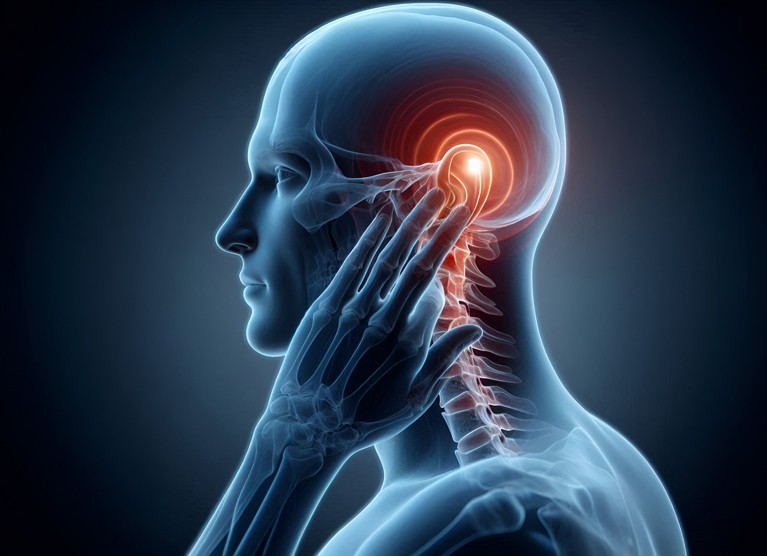
7. Head or Ear Trauma
A traumatic physical injury is a recognized cause of hearing loss, but it often gets overlooked in more casual conversations about hearing health. A sudden blow to the head or an injury involving the ear itself can affect your hearing suddenly or progressively later on, depending on exactly what part of the auditory system was damaged.
Why It Happens
Trauma can damage the hearing system in several ways. A severe physical blow to the head (like from a car accident or sports injury) can fracture the temporal bone of the skull, which houses the inner ear structures. Trauma can also cause a traumatic brain injury (TBI) that disrupts the auditory nerve pathways to the brain. Additionally, sudden, extreme changes in air pressure — known as barotrauma, which can occur during scuba diving or a rapid airplane descent — can physically rupture the eardrum. Acoustic trauma, such as the deployment of a car airbag next to your head, delivers both physical force and a deafening sound wave simultaneously.
The Symptoms
Trauma-related hearing loss is usually categorized as sudden hearing loss. You might experience immediate deafness in one or both ears, severe dizziness and vertigo (balance problems), bleeding from the ear canal, or an incredibly loud ringing sensation.
What to Do Next
Head and ear trauma should always be treated as a medical emergency. Seek immediate care at an emergency room or urgent care facility. Prompt medical intervention — sometimes involving steroid treatments or surgical repair of a ruptured eardrum — can often save or significantly restore hearing function after a traumatic event.
Sudden hearing loss — from any cause — should always be treated as a medical emergency. Research consistently shows that beginning treatment within the first 72 hours gives you the best chance of recovering lost hearing. Do not wait to see if it improves on its own.

8. Circulation Problems
Your ears rely heavily on tiny, delicate internal structures and a robust, healthy blood supply to translate sound waves into electrical signals your brain can understand. Problems related to circulation and vascular health can severely affect your hearing, which is part of why hearing changes may be intimately connected with broader cardiovascular health issues.
Why It Happens
The cochlea has a structure called the stria vascularis, which is responsible for maintaining the metabolic health of the inner ear. It requires a constant, uninterrupted flow of blood. Conditions that impair blood circulation — such as high blood pressure (hypertension), coronary artery disease, or high cholesterol — can reduce the vital blood flow to the inner ear. Without enough blood, the cells in the inner ear suffer from ischemia (lack of oxygen) and slowly die off.
The Symptoms
Similar to other systemic causes, vascular-related hearing loss usually happens gradually. You may notice a slow decline in your ability to hear clearly, or a low-pitched hum or rushing sound in your ears that pulses in time with your heartbeat (known as pulsatile tinnitus).
What to Do Next
Treating your ears means treating your heart. By managing your cardiovascular health, you are inherently protecting your hearing. Engage in regular cardiovascular exercise, maintain a heart-healthy diet, and work with your primary care provider to keep your blood pressure and cholesterol levels within healthy, normal ranges.
Pulsatile tinnitus — a rhythmic whooshing or pulsing sound in the ears that matches your heartbeat — is different from ordinary ringing tinnitus and can be a sign of an underlying vascular condition. If you experience this symptom, bring it up with your doctor promptly.

9. Infections and Illnesses You Wouldn't Immediately Connect to Hearing
While we naturally associate ear infections with ear problems, there are numerous other systemic infectious diseases and medical conditions that can affect hearing directly or indirectly. The WHO includes certain viral and bacterial infections among notable causes of severe hearing loss, especially when prevention or early medical treatment is missed.
Why It Happens
Many aggressive viruses and bacteria can cross the blood-brain barrier and attack the auditory nerve, or cause severe inflammation that damages the inner ear. Diseases such as meningitis, mumps, measles, and cytomegalovirus (CMV) are historically well-known culprits of sudden or profound sensorineural hearing loss. More recently, researchers have noted that certain vascular or inflammatory responses associated with severe cases of COVID-19 have occasionally resulted in sudden hearing loss or severe tinnitus in some patients.
The Symptoms
Hearing loss caused by these illnesses often strikes quickly and without much warning. Following a severe bout of a viral illness, a patient might wake up completely unable to hear out of one ear, or plagued by severe dizziness and ringing.
What to Do Next
Vaccination is the strongest line of defense against many of these diseases, particularly childhood illnesses like measles and mumps. If you or a loved one experiences sudden hearing loss during or immediately following a severe viral illness, treat it as a medical emergency. Early intervention with corticosteroid therapies within the first week of sudden sensorineural hearing loss offers the best chance of recovering the lost hearing.

Taking Action: Listen to Your Ears
The tricky part about hearing loss is that the specific cause is not always obvious, and the symptoms can creep up on you so gradually that you don't even realize what you are missing. If voices frequently sound muffled, conversations in restaurants feel harder to follow than they used to, or you find that you keep turning up the volume on your devices just to understand the dialogue, it may be worth getting your hearing checked.
The WHO specifically recommends regular hearing checks for people with known risk factors like loud music exposure, a history of ear disease, diabetes, and the use of ototoxic medicines.
Do not wait until a minor auditory issue becomes a major communication barrier. Most causes of hearing loss are either entirely preventable, highly treatable, or effectively manageable with modern medical technology. Whether the solution involves safe earwax removal at a clinic, adjusting a prescription medication with your doctor, investing in high-quality hearing protection for your weekends, or getting fitted for advanced, discreet hearing aids by a licensed audiologist, taking that first step can profoundly improve your quality of life. Listen to your body, protect your ears, and schedule a comprehensive hearing screening today.
Not sure if your hearing has changed? A free hearing screening* with a Beltone hearing care professional is a great first step. There is no obligation, and it takes just a few minutes to get a clearer picture of where your hearing health stands today.
This blog is not medical advice. Consult your primary care physician or hearing care professional before making medical decisions.
Sources
- World Health Organization (WHO): "Deafness and hearing loss – Key facts," https://www.who.int/news-room/fact-sheets/detail/deafness-and-hearing-loss
- National Institutes of Health (NIH): "Noise-Induced Hearing Loss," https://www.nidcd.nih.gov/health/noise-induced-hearing-loss
- Centers for Disease Control and Prevention (CDC): "Health Problems Caused by Secondhand Smoke," https://www.cdc.gov/tobacco/secondhand-smoke/health.html
- American Diabetes Association: "Diabetes and Hearing Loss," https://diabetes.org/about-diabetes/complications/hearing-loss/diabetes-and-hearing-loss
- Mayo Clinic: "Ear infections: Symptoms and causes," https://www.mayoclinic.org/diseases-conditions/ear-infections/symptoms-causes/syc-20351616
- American Academy of Otolaryngology—Head and Neck Surgery: "Earwax (Cerumen Impaction)," https://www.entnet.org/quality-practice/quality-products/clinical-practice-guidelines/cerumen-impaction/
- Johns Hopkins Medicine: "Types of Hearing Loss," https://www.hopkinsmedicine.org/health/conditions-and-diseases/hearing-loss/types-of-hearing-loss

Take Online Hearing Test
Take our free at-home hearing loss test as a first step on your journey to better hearing.
