

Untreated Hearing Loss May Lead to More Hospital Visits
June 26, 2026 Hearing loss impacts far more than conversations—it can affect your overall health and how often you need medical care. Extensive research shows that untreated hearing loss is linked to greater use of hospitals, emergency departments, and a broad range of health care services.
Individuals with untreated hearing loss face higher health care costs, more inpatient stays, and are more likely to be readmitted to the hospital after a visit.
This matters because hearing is essential for everyday safety, clear communication, and well-being. Reduced hearing not only makes social interaction difficult—it complicates managing health conditions, following care instructions, and maintaining connections that support healthy aging. There is also a demonstrated link between untreated hearing loss and increased risks of falls and dementia, pointing to its far-reaching impact on health.

Why Hearing Loss Can Affect Overall Health
Hearing is fundamental to navigating the world safely and confidently. When hearing challenges arise, people may withdraw socially or miss important cues and information. These issues become especially significant in health care environments.
Presbycusis (age-related hearing loss) and noise exposure are the most common causes of hearing loss. As a result, many individuals—especially older adults—face difficulties with communication in daily life and medical settings.
A person who has trouble hearing may encounter challenges with:
- Understanding a diagnosis
- Following medication instructions
- Asking questions during an appointment
- Accurately reporting symptoms
- Knowing what steps to take after leaving the hospital
Research suggests that communication barriers help explain the connection between untreated hearing loss and increased health care use, including hospital readmission. A study published in the Journal of the American Geriatrics Society reports that patients who struggle with hearing and communication are at an elevated risk for hospital readmission within 30 days.

What the Research Says About Hospital Use
A landmark study tracking thousands of older adults for 10 years uncovered compelling findings. Compared to peers without hearing loss, those with untreated hearing loss experienced significant differences across every major measure of health care use.
- 46% higher total health care costs over a decade
- More frequent inpatient hospital stays
- Greater likelihood of 30-day hospital readmissions
- Increased use of outpatient and emergency services over time
While many factors contribute to health outcomes, the association is consistent: untreated hearing loss correlates with heavier reliance on health care and added burdens for both patients and the health care system.

Hearing Loss, Falls, and Cognitive Health
The connection between untreated hearing loss and hospital visits partly stems from associated health risks that can complicate care or lead to injury.
Studies have linked untreated hearing loss to a significantly greater risk of falls. One high-profile study found that every 10-decibel increase in hearing loss results in a 1.4-fold rise in the odds of falling within the prior year. Since falls are a leading cause of emergency care and hospitalization for older adults, this finding deserves special attention.
Additionally, untreated hearing loss is associated with cognitive decline and an increased risk of dementia. Research indicates a direct link to all-cause dementia, and recent cohort studies suggest the highest dementia risk is among those with hearing loss who do not use hearing aids. Scientists are continuing to examine these relationships and the degree to which treatment can help.
Can Hearing Aids Help?
Evidence strongly suggests that hearing aid use can make a difference. A 2018 study published in JAMA Otolaryngology–Head & Neck Surgery found that older adults with hearing loss who used hearing aids had lower odds of visiting the emergency department or being hospitalized, and spent fewer nights in the hospital overall.
Hearing aids are not a cure for every health challenge, nor can they replace other forms of medical care. However, they support more effective communication, increase environmental awareness, and make it easier to participate in daily life. These advantages are particularly important for understanding medical instructions and remaining active in your healthcare.
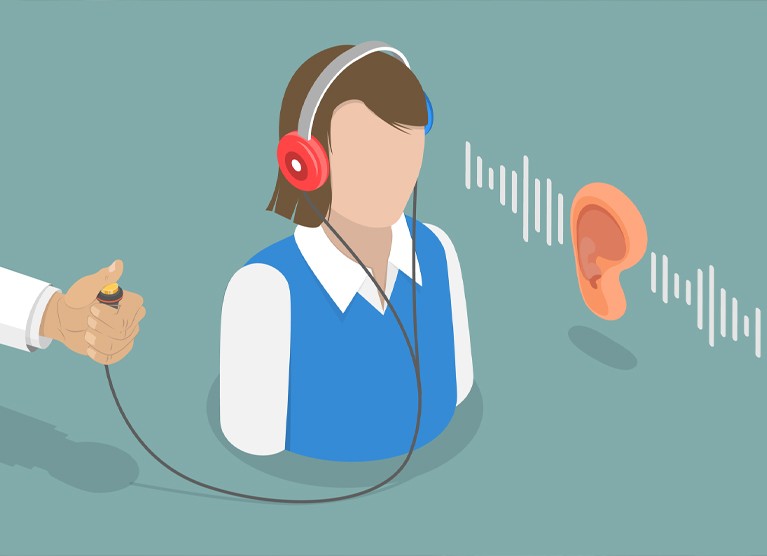
Signs It May Be Time for a Hearing Test
Many people wait years before addressing hearing difficulties, often because the change is gradual and easy to overlook. But taking action early is important for health and quality of life.
Schedule a hearing screening if you:
- Frequently ask people to repeat themselves
- Struggle to follow conversations in noisy environments
- Keep the TV louder than others prefer
- Feel fatigued after talking because listening is more effortful
- Miss information during appointments or phone calls
- Notice increased social withdrawal
Today's hearing aids are discreet, comfortable, and technologically advanced—making treatment more accessible and effective than ever.
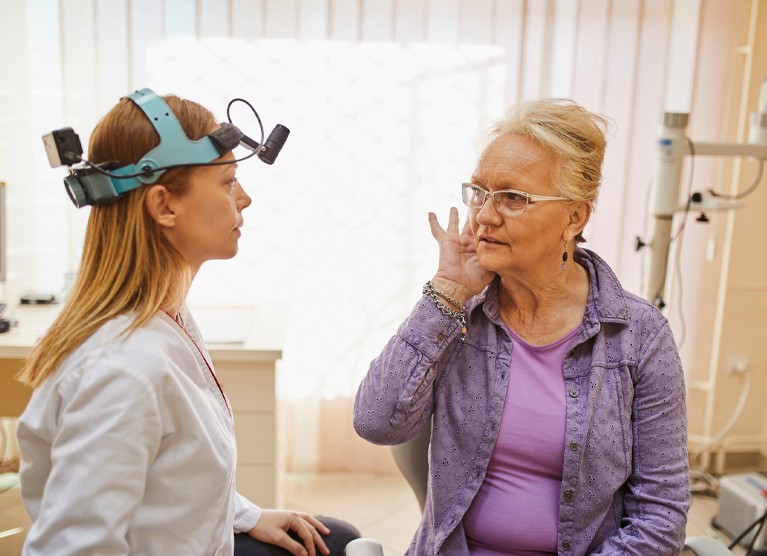
Why Taking the Next Step Matters
Delaying hearing care may seem convenient, but hearing loss goes beyond reduced volume—it affects communication, confidence, balance, cognitive demands, and your ability to navigate key health situations.
Addressing hearing loss supports greater connection, better access to information, and sustained independence. As ongoing research consistently shows, prioritizing hearing health is an essential part of safeguarding your overall health. Schedule a hearing screening today and take the first step toward protecting both your hearing and your health.
Frequently Asked Questions (FAQ)
Sources
- Reed NS, Altan A, Deal JA, et al. Trends in Health Care Costs and Utilization Associated With Untreated Hearing Loss Over 10 Years. JAMA Otolaryngology–Head & Neck Surgery. 2019. https://pubmed.ncbi.nlm.nih.gov/30419131/
- Chang JE, Weinstein BE, Chodosh J, Blustein J. Hospital Readmission Risk for Patients with Self-Reported Hearing Loss and Communication Trouble. Journal of the American Geriatrics Society. 2018. https://agsjournals.onlinelibrary.wiley.com/doi/10.1111/jgs.15545
- Mahmoudi E, Zazove P, Meade M, McKee MM. Association Between Hearing Aid Use and Health Care Use and Cost Among Older Adults With Hearing Loss. JAMA Otolaryngology–Head & Neck Surgery. 2018. https://jamanetwork.com/journals/jamaotolaryngology/fullarticle/2678187
- Lin FR, Ferrucci L. Hearing Loss and Falls Among Older Adults in the United States. Archives of Internal Medicine. 2012. https://jamanetwork.com/journals/jamainternalmedicine/fullarticle/1108740
- Lin FR, Metter EJ, O'Brien RJ, et al. Hearing Loss and Incident Dementia. Archives of Neurology. 2011. https://jamanetwork.com/journals/jamaneurology/fullarticle/802291
- Cantuaria ML, et al. Hearing Loss, Hearing Aid Use, and Risk of Dementia in Older Adults. JAMA Otolaryngology–Head & Neck Surgery. 2024. https://jamanetwork.com/journals/jamaotolaryngology/fullarticle/2813302
This blog does not constitute medical advice. Consult your physician or hearing care professional before making health care decisions.

Take Online Hearing Test
Take our free at-home hearing loss test as a first step on your journey to better hearing.
