
How to Choose the Right Hearing Aid Provider
June 26, 2026The provider you select will play a central role in your hearing health journey, not only during your initial evaluation but throughout the lifetime of your devices.
If you’ve decided it’s time to address your hearing loss, congratulations—this is a major step toward staying connected to the people and moments that matter most. Your next decision is equally important: choosing the right hearing aid provider.
But with so many hearing aid brands, clinics, and retail options available, how do you know which provider will offer the best care, expertise, and support?
This guide walks you through key factors to consider so you can make a confident, informed choice.

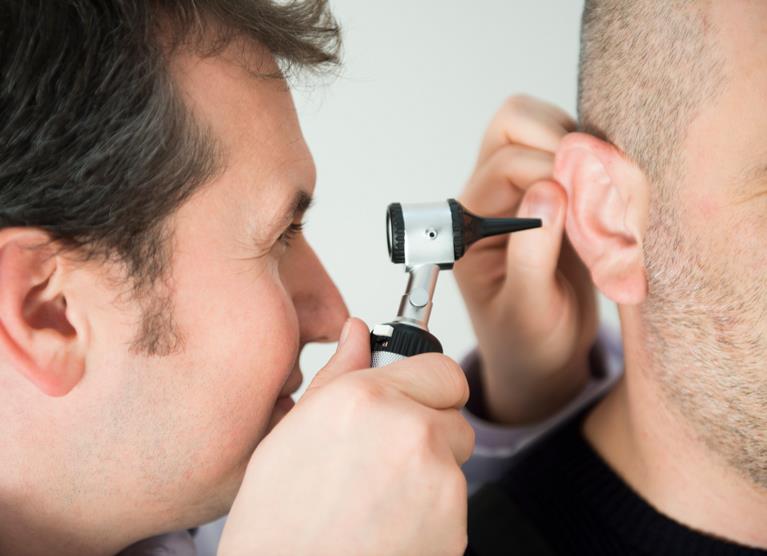
1. Look for a Comprehensive Hearing Screening
A reputable hearing aid provider will offer a thorough, patient-focused hearing screening.
Look for a provider that offers:
- A full hearing screening using advanced diagnostic equipment
- A review of your medical and hearing health history
- Real-time results explained clearly and compassionately
- Recommendations tailored to your lifestyle—not a one-size-fits-all approach
You should feel like your provider is taking their time with you, not rushing you through a sales process.
Providers who follow this standard typically demonstrate a commitment to long-term hearing health, not just selling devices. Many independent and highly trained hearing care professionals are known for this level of care.
2. Prioritize Providers With Strong Credentials
Hearing aids are advanced medical devices. They should be fitted and programmed by trained, credentialed professionals such as:
- Hearing Instrument Specialists (HIS)
- Audiologists (Au.D.)
- Licensed Hearing Care Professionals (HCPs)
These experts understand hearing loss, modern technology, and the nuances of proper device fitting. They can also recognize issues that may require referral to a physician.
When researching providers, look for clinics where professionals:
- Are trained on the latest hearing technology
- Participate in ongoing education
- Follow current best practices for fitting and follow-up care

3. Choose a Provider With a Wide Range of Hearing Aid Options
Your hearing loss is unique—and your hearing aids should be, too. The right provider will offer a broad selection that can be tailored to your needs and preferences.
Look for a provider that offers:
- Modern styles such as RIE, miniRIE, microRIE, CIC, and rechargeable models
- Devices designed for different environments, from quiet home life to active, social lifestyles
- Accessories like TV streaming solutions and app-based control
- Multiple technology levels to fit different budgets and priorities
Providers who offer multiple solutions—rather than a single “package”—are typically better equipped to help you find the right fit.
4. Ask About Ongoing Care and Support
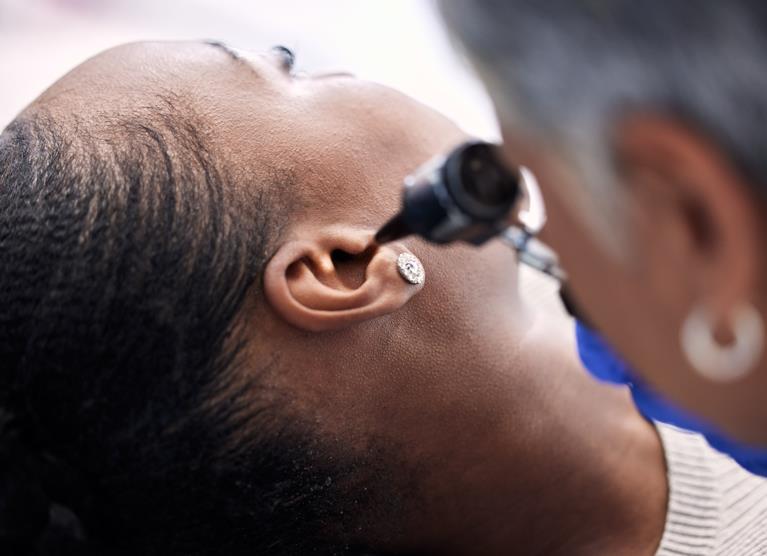
A hearing aid purchase shouldn’t end when you walk out the door. Hearing aids require routine maintenance, cleanings, adjustments, and occasional repairs.
A provider committed to your long-term success will offer:
- Regular follow-up appointments
- Professional cleanings and performance checks
- Software updates and fine-tuning when needed
- Support for troubleshooting connectivity or performance issues
- Guidance on hearing aid apps and accessories
You should feel confident that your provider will be there for you years down the road—not just at the initial fitting.
Networks known for strong customer service often provide lifetime care programs to support their patients’ hearing health over time. Choosing a provider with this type of commitment can lead to better outcomes, less frustration, and longer device performance.
5. Evaluate the Hearing Aid Trial Period and Warranty
A trustworthy provider stands behind both their service and their products.
Trial Period
You should have time to try your devices in real-life situations—at home, at work, and in social settings. A trial period of at least 30 days is standard in the industry.
Warranty Coverage
A strong warranty protects you from unexpected issues. Look for:
- Coverage for repairs
- Lost or damaged replacement options
- Clear terms with no hidden fees
Providers with decades of experience in hearing care typically offer reliable warranty programs that make the process smooth and low-stress.

6. Consider the Technology Behind the Hearing Aids
Modern hearing aids are extremely advanced. Many feature:
- AI-powered sound processing
- Directional microphones and noise reduction
- Wireless streaming and Bluetooth® connectivity
- Rechargeable batteries and smart charging options
When evaluating providers, ask about:
- The brand(s) they carry
- The technology in their latest devices
- How often software is updated
- Customization options for different listening environments
- App-based controls (volume, programs, directionality, etc.)
Providers who work with trusted, innovative manufacturers tend to offer better long-term performance and higher patient satisfaction.

7. Look for Transparent Pricing and Flexible Payment Options
A reputable provider will explain pricing clearly and transparently. Hearing aid costs typically reflect:
- The technology level of the devices
- The expertise of the hearing care professional
- Long-term follow-up and support services
- Warranty and patient-care programs
Helpful, flexible options can include:
- Financing or payment plans
- Multiple technology tiers
- Promotions or seasonal savings
- In-clinic service packages that maximize value
Many hearing aid networks bundle comprehensive care into the overall cost, which can save money and reduce hassle over time.

8. Read Reviews and Ask for Recommendations
Hearing aid providers known for excellent service and patient-first care usually have strong online reviews.
Look for comments about:
- Quality of care and professionalism
- Comfort and trust in the provider
- Hearing aid performance in daily life
- Ongoing service and responsiveness
- Overall appointment experience
If you know someone who wears hearing aids, ask them about their provider. Word-of-mouth remains one of the most trusted ways to choose.

9. Choose a Provider With a Local Presence Backed by a Network
A local clinic offers personal, face-to-face care. Pairing that with the strength of a national or regional network can give you the best of both worlds:
- Convenient local appointments
- Access to robust technology and research
- Consistent care if you travel or move
- Professionals trained to the same high standards
Some of the most trusted hearing care providers in the U.S. operate within well-established networks known for reliability, patient satisfaction, and cutting-edge technology.
Making Your Decision
Choosing the right hearing aid provider isn’t just about finding the newest device—it’s about finding a partner in your hearing health journey.
As you evaluate your options, look for providers who offer:
- Comprehensive hearing screenings
- Highly trained, credentialed hearing care professionals
- A range of device styles and technology levels
- Ongoing care, follow-up, and support
- Transparent pricing and flexible payment options
- Strong patient reviews and recommendations
- A local clinic supported by a broader network
Providers that meet these criteria tend to deliver the best outcomes, strongest support, and most seamless overall experience.
If you’re ready to take the next step toward better hearing, start by finding a provider who puts your needs, comfort, and long-term hearing health first.
When you do, you’ll be well on your way to hearing—and living—at your very best.

Take Online Hearing Test
Take our free at-home hearing loss test as a first step on your journey to better hearing.
