

Is It Safe to Fly With Hearing Aids?
November 17, 2026 What to know before you fly with hearing aids
If you’re getting ready for a trip, it’s normal to have questions about traveling with hearing aids. You may be wondering whether they will work on the plane, whether you need to remove them at security, how to manage phone connections, what to do if your ears feel plugged during the flight, or how to handle charging if your devices are rechargeable.
The reassuring news is that, in most cases, it is safe to fly with hearing aids. They should continue to work normally in the air, and wearing them can help you hear important information throughout your trip.
Beltone recommends wearing your hearing aids during check-in, security, boarding, and the flight itself so you can hear announcements and instructions from airport staff and the airline crew. If you are new to hearing aids or still getting used to them, traveling may feel like a lot to manage at once. That is common, and a little preparation can make the day much smoother.
What happens at airport security?
Going through security can feel stressful, especially if you are traveling with hearing aids for the first time. In most cases, the process is straightforward.
According to TSA rules, you are not required to remove hearing aids or cochlear implants during screening. If a screening device alerts, a TSA officer may perform additional screening, such as:
- A pat-down
- A visual inspection of the device
If that happens, let the officer know that you are wearing hearing aids and follow their instructions.
If your hearing aids are not in your ears and are packed in your carry-on bag, a security officer may choose to inspect them by hand.
It may also help to keep your hearing aid case, charger, batteries, or cleaning supplies together in one part of your carry-on. That way, if a bag needs a closer look, you can find everything quickly without added stress.
If your hearing aids are rechargeable, keep the charger and charging cable in your carry-on rather than checked luggage. This makes it easier to recharge during a delay, a long layover, or an unexpected overnight stay.
Should you keep your hearing aids on during the flight?
Yes, in most situations, it helps to keep your hearing aids on during the flight. This can make it easier to hear:
- Boarding instructions
- Safety information
- Updates from the pilot
- Conversations with flight attendants
- Travel details that may change during delays or connections
If airline staff ask you to turn off your phone or switch it to airplane mode, your hearing aids should still keep working. If you usually stream sound from your phone to your hearing aids, that connection may be interrupted depending on your phone settings, your hearing aid app, or airline instructions, but your hearing aids themselves should continue to function normally.
Before takeoff, it can help to think through how you use your phone with your hearing aids in daily life. For example:
- If you use your phone for boarding passes, keep the screen brightness high enough to read easily.
- If you rely on streaming for phone calls, music, podcasts, or videos while you wait at the gate, bring a fully charged phone.
- If you use an app to adjust volume or settings, make sure your phone is charged and easy to reach.
- If you are traveling with a companion, let them know how best to get your attention during announcements or gate changes.
- If you plan to use in-flight entertainment, remember that some systems may not connect directly to your hearing aids, so it may help to bring any accessories or backup listening options you normally use.
Once the airline allows device use, you may be able to reconnect and resume streaming. If that does not happen right away, do not panic. In many cases, simply checking airplane mode, Bluetooth settings, or reopening your hearing aid app can help restore the connection.
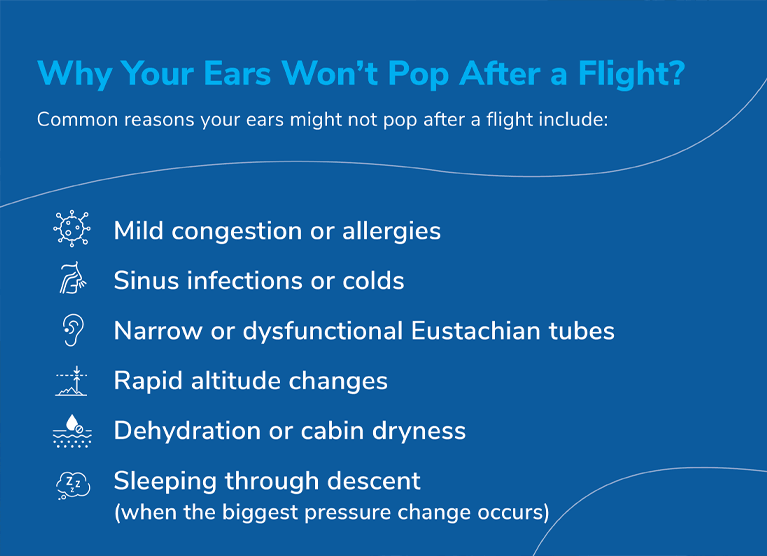
What if your ears pop or feel blocked?
Many travelers notice pressure changes during takeoff and landing. If your ears start to pop, feel full, or seem blocked, that is a common part of flying and not usually a problem with your hearing aids.
You can try the same simple steps that often help during a flight:
- Swallow
- Yawn
- Chew gum
- Sip water
If you already know that pressure changes tend to bother your ears, it may help to be prepared with water or gum before takeoff and landing.
If sound seems a little different while your ears are adjusting to the pressure, that can happen too. In many cases, the sensation passes once the pressure changes settle.
Simple travel tips for hearing aid wearers
A little preparation can make your trip feel much easier. Consider packing a few essentials in your carry-on so they stay with you if checked luggage is delayed.
Hearing aid travel checklist
- Your hearing aids
- Extra batteries, if your devices use them
- Your charger, if your devices are rechargeable
- A cleaning cloth or basic care tools
- A case for storing your hearing aids when needed
- Your phone and charging cable, if you use streaming or app controls
- A portable power bank for long travel days
- The correct charging cord and wall plug for your device
- Any adapters you may need if you are traveling internationally
- A written list of important phone numbers in case your phone battery runs low
- Any comfort items that help with pressure changes, such as gum or a water bottle
Keeping these items close by can help you feel more confident, especially on a long travel day.
If you are staying away for several days, it may help to pack more supplies than you think you will need. Extra batteries, an extra charging cable, or a backup cleaning cloth can be helpful if plans change or a flight is delayed.
If your hearing aids are rechargeable, try to fully charge them and your phone before leaving for the airport. It can also help to recharge whenever you have the chance during a layover, at the gate, or at your hotel so you are not trying to catch up later.
A few practical reminders
Travel can be busy, noisy, and tiring. If you are new to hearing aids, that can make the experience feel more overwhelming than usual. That is completely understandable.
A few things to keep in mind:
- Airport announcements can sometimes be hard to catch, so wearing your hearing aids can help you stay informed.
- If you need clarification, it is okay to ask airline or airport staff to repeat themselves or face you when they speak.
- Keep your hearing aids and supplies in your carry-on rather than checked baggage.
- If you support a loved one who wears hearing aids, it may help to double-check before leaving home that they have their charger, batteries, case, and phone cable.
- If you take your hearing aids out to rest during a long flight, place them in their case rather than loosely on a tray table or in a seat pocket.
- If your hearing aids are rechargeable, charge them fully before you leave for the airport.
- If you use glasses, a face covering, or other items around your ears, take a moment after boarding to make sure your hearing aids still feel secure.
- If gate areas or planes feel especially noisy, give yourself a little time to adjust. Busy sound environments can be tiring, even for experienced hearing aid wearers.
- In loud places such as gates, boarding lines, or busy cabins, it may help to move closer to the person speaking, reduce background distractions when possible, and look at their face for visual cues.
- If you are changing planes or dealing with delays, check screens and airline app updates as a backup in case spoken announcements are hard to hear.
If you have hearing loss in addition to vision, mobility, or other travel needs, it may also help to request assistance from the airline ahead of time. You can also ask about accessibility support for communication, such as important instructions in writing, help during gate changes, or other accommodations that make travel easier to follow. That extra support can make airport navigation and communication easier.
Safe travels!
Frequently Asked Questions (FAQ)

Take Online Hearing Test
Take our free at-home hearing loss test as a first step on your journey to better hearing.
