

Ruptured Eardrum: Symptoms and Treatment
October 05, 2026 Experiencing sudden ear pain, unexpected drainage, or a noticeable change in your hearing can be deeply unsettling. One potential cause for these symptoms is a ruptured or perforated eardrum. While the idea of a tear in your eardrum might sound alarming, it is a highly treatable condition, and most people go on to fully recover with proper care.
Understanding what this condition is, why it happens, and how it can be managed is the first step toward feeling confident and proactive about your hearing health.
What Is a Ruptured Eardrum?
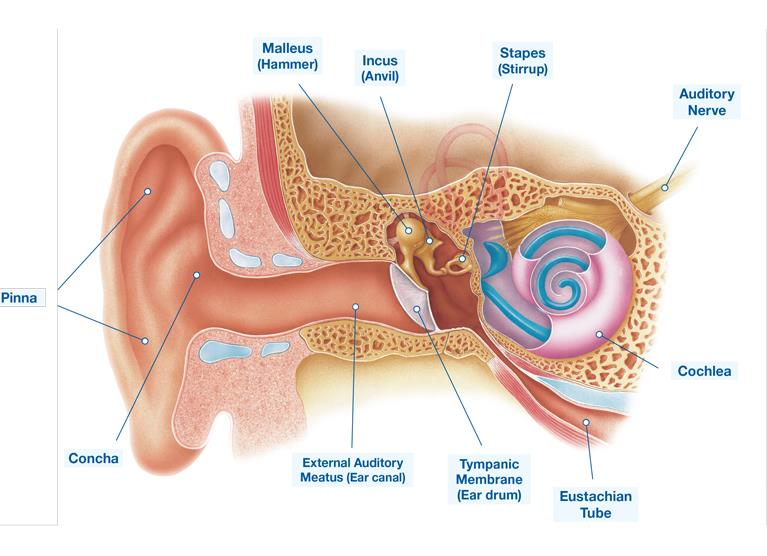
To understand a ruptured eardrum, it helps to first understand the basic anatomy of the ear. The eardrum, clinically known as the tympanic membrane, is a thin, delicate piece of tissue that acts as a boundary between your outer ear canal and your middle ear space.
When sound waves enter your ear canal, they strike this membrane, causing it to vibrate. These vibrations are then transferred to three tiny bones in the middle ear, known as the ossicles, which send the sound signals deeper into the inner ear so your brain can process them. The eardrum also serves a second crucial purpose: it acts as a protective barrier, keeping water, bacteria, and debris out of the sterile middle ear space.
A ruptured eardrum, or tympanic membrane perforation, is simply a hole or tear in this delicate tissue. When this protective barrier is compromised, it can temporarily affect how well you hear and leave the middle ear vulnerable to infection.
How Do I Know if I Have a Ruptured/Perforated Eardrum?
The signs of an eardrum rupture can vary depending on what caused the tear. Some individuals notice the exact moment the perforation occurs, while others may only realize something is wrong days later.
If your eardrum ruptures, you may experience one or more of the following symptoms:
- Sudden changes in ear pain: If the rupture was caused by the pressure of a middle ear infection, you might actually experience a sudden, sharp relief from intense ear pain as the built-up fluid is finally released. In other cases, the rupture itself may cause a sharp, initial sting.
- Drainage from the ear: You may notice fluid leaking from the ear canal. This drainage might be clear, pus-filled, or even slightly bloody, depending on the underlying cause of the rupture.
- Hearing loss: A tear in the tympanic membrane disrupts its ability to vibrate properly. You might experience muffled hearing, or it may seem as though your ear is suddenly blocked.
- Tinnitus: This is the perception of a ringing, buzzing, or roaring sound in the ear. Tinnitus often accompanies ear injuries and hearing loss.
- A spinning sensation: Also known as vertigo, you may briefly feel dizzy or off-balance, especially if cold air or water enters the middle ear through the tear.
What Causes an Eardrum to Rupture?
Eardrums are fragile and can be damaged by several different environmental and internal factors. Understanding the root cause is essential for your health care provider to recommend the best course of action.
Middle Ear Infections (Otitis Media)
A middle ear infection is one of the most common causes of a perforated eardrum. When an infection develops behind the eardrum, fluid and pus begin to accumulate. This creates mounting pressure against the tympanic membrane. If the pressure becomes too intense, the membrane can tear to allow the fluid to drain out.
Pressure Changes (Barotrauma)
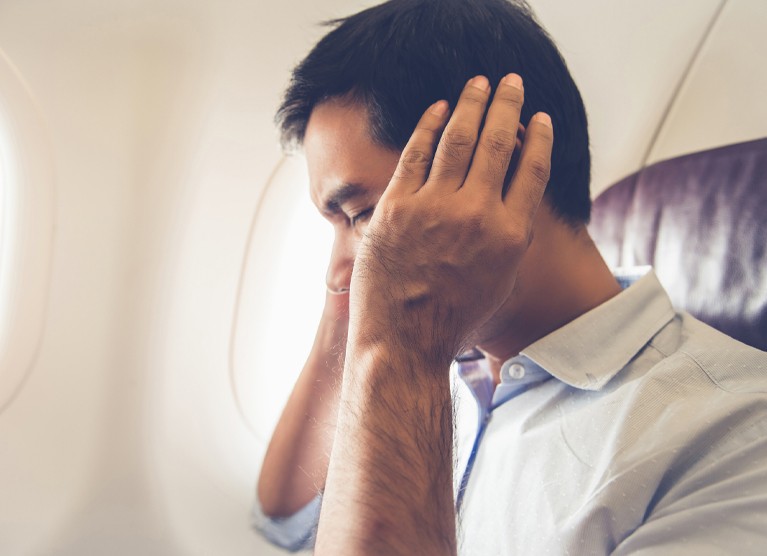
Your middle ear is connected to the back of your throat by a narrow passage called the Eustachian tube. This tube helps equalize the air pressure inside your ear with the air pressure outside. When the pressure outside changes too rapidly for your body to equalize it, the stress on the eardrum can cause it to stretch and eventually burst. This condition, called barotrauma, is most frequently experienced during scuba diving, driving at high altitudes, or when an airplane is descending.
Loud Noises (Acoustic Trauma)
While less common, exposure to an extremely loud noise, such as a nearby explosion or a gunshot, can produce sound waves forceful enough to cause a tear in the eardrum. This type of trauma often leads to immediate hearing loss and severe ringing in the ears.
Foreign Objects in the Ear
Many eardrum injuries are accidental and happen during routine hygiene. Inserting foreign objects into the ear canal, especially cotton swabs, bobby pins, or matchsticks, is highly dangerous. Pushing a cotton swab too far into the ear canal can easily puncture the eardrum or damage the delicate ossicles behind it.
Severe Head Trauma
A severe blow to the head or a skull fracture can cause significant structural damage to the middle and inner ear, which may include the tearing of the eardrum.

When to Seek Professional Medical Evaluation
While an eardrum often heals on its own, a suspected rupture should always be evaluated by a health care provider. It is important to confirm the diagnosis and ensure no serious complications are developing.
During an in-office visit, a medical professional will examine your ear canal using a lighted instrument called an otoscope. This allows them to see the eardrum clearly and identify any tears, signs of infection, or remaining fluid. They may also perform tympanometry, a quick and painless test that measures how well your eardrum moves in response to air pressure, helping to assess the health of the middle ear.
Your doctor may refer you to an ENT specialist, also known as an otolaryngologist, for further evaluation. Additionally, professional hearing tests are highly recommended to accurately measure the extent of your hearing loss and monitor your recovery.
While rarely a life-threatening medical emergency, you should seek immediate care if your symptoms include severe and worsening pain, sudden total deafness, prolonged dizziness, or persistent bleeding from the ear.
How Is a Ruptured Eardrum Treated?
The most encouraging news about a ruptured eardrum is that, in many cases, the eardrum heals naturally within a few weeks without any direct medical intervention. The tissue slowly regenerates and closes the hole on its own.
However, your health care provider will want to monitor the healing process and may recommend specific treatments to support your recovery:
- Antibiotics: If a middle ear infection caused the rupture, or if bacteria have entered the middle ear through the new tear, your doctor may prescribe antibiotic ear drops or oral antibiotics to clear the infection.
- Eardrum Patching: If the tear is not closing on its own after a few weeks, an ENT specialist may perform a simple in-office procedure. They will apply a chemical to the edges of the tear to stimulate growth and carefully place a thin paper patch over the hole to protect it as it heals.
- Surgical Repair: For larger perforations that do not heal with time or patching, surgery may be required. Procedures such as a tympanoplasty or myringoplasty involve a surgeon using a tiny graft of your own tissue to securely mend the hole. These procedures have a very high success rate for restoring the integrity of the membrane.
Appropriate treatment also helps prevent rare but serious complications, such as a cholesteatoma, which is a benign skin cyst that can develop in the middle ear if debris repeatedly enters through an unhealed perforation.
Caring for Yourself at Home
While you are waiting for your eardrum to heal, taking proper care of your ear at home is crucial. The primary goal is to protect the vulnerable middle ear from outside bacteria and further irritation.
- Keep the ear dry: Moisture introduces bacteria. You must avoid swimming until your doctor confirms the hole has closed. When showering or bathing, gently place a waterproof earplug or a cotton ball lightly coated in petroleum jelly into the outer ear to repel water.
- Avoid over-the-counter drops: Do not use over-the-counter ear drops or natural oil remedies unless specifically instructed by your doctor. Fluid entering the middle ear through the tear can cause painful infections.
- Refrain from cleaning the ear: Keep all cotton swabs and cleaning tools out of your ear canal to avoid further damaging the healing tissue.
- Be gentle with your nose: Avoid blowing your nose forcefully. The pressure created when you blow your nose travels up the Eustachian tube and can disrupt the delicate healing process of the eardrum.
- Manage discomfort: You can place a warm, dry compress against your ear to soothe mild aching. Over-the-counter pain relievers can also help manage discomfort while the infection or injury subsides.
Supporting Your Journey to Better Hearing
Experiencing hearing loss, even temporarily, can take an emotional toll. It can make conversations difficult and leave you feeling somewhat disconnected from your surroundings. If you are navigating an eardrum injury, patience and proper care are your best tools.
Most people find that their hearing gradually returns to normal as the eardrum heals. However, if the injury causes a permanent change in your hearing, it is important to know that hearing loss does not have to mean a permanent change in your lifestyle.
Ready to Take the Next Step?
We believe in building trust and relationships, and we are here to be your hearing health partner. By exploring the benefits of modern hearing solutions, we can help you rejoin the conversation confidently. We give you the tools and support needed to return to and enjoy your lifestyle, right beside you every step of the way.
Schedule a hearing appointment today and take the first step toward comfortable, confident hearing.
Frequently Asked Questions (FAQ)
This blog post does not constitute medical advice. If you suspect you have a ruptured or perforated eardrum, consult a health care professional.

Online Hearing Test
