

The Veteran’s Guide to Hearing Aids and Tinnitus Relief
June 26, 2026If you’re a veteran experiencing ringing in the ears or struggling to hear conversations clearly, you’re far from alone—and you have options.
For many veterans, tinnitus and hearing loss are more than medical conditions—they’re daily reminders of years spent serving our country. Whether from gunfire, aircraft engines, heavy machinery, or explosive blasts, military noise exposure can take a lasting toll on your hearing.
This guide is designed to help you understand what tinnitus is, how it connects to hearing loss, and how modern hearing aids can support your long-term hearing health.

Why Tinnitus Is So Common Among Veterans
Tinnitus—often described as ringing, buzzing, hissing, or roaring in the ears—is one of the most common service-connected disabilities among U.S. veterans. According to the U.S. Department of Veterans Affairs (VA), tinnitus has been the number one disability claim for more than a decade, affecting more than 2.7 million veterans.
Why is it so common? Many military occupational specialties involve regular exposure to intensely loud environments, including:
- Aircraft and helicopters
- Artillery and explosives
- Firearms training
- Heavy machinery
- Combat zones
Repeated exposure to high-decibel noise can damage the delicate hair cells and neural pathways in the inner ear—often leading to both tinnitus and permanent hearing loss.
Signs You Should Get Your Hearing Checked
Many veterans put off getting help, thinking their symptoms are “normal” or “not bad enough.” In reality, early evaluation is one of the best ways to protect your hearing long-term.
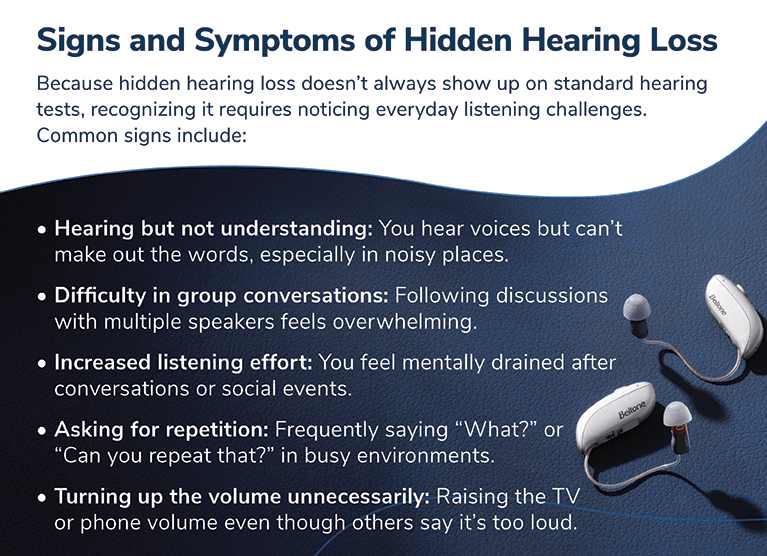
Consider a hearing evaluation if you notice:
- Ringing, buzzing, roaring, or hissing that won’t go away
- Difficulty following conversations
- Trouble hearing in restaurants or group settings
- Turning up the TV or radio more than others
- Feeling mentally drained after conversations
- Frequently asking people to repeat themselves
If any of these sound familiar, a professional hearing screening can give you the answers—and support—you need.
How Hearing Aids Can Help With Tinnitus
Many veterans are surprised to learn that modern hearing aids are one of the most effective tools for tinnitus relief. While they don’t “cure” tinnitus, they can significantly reduce the intensity and impact of symptoms.
1. Amplification Reduces the Contrast
When your environment is quiet, tinnitus often seems louder by comparison. Hearing aids gently amplify environmental sounds, reducing the contrast and helping to “blend” the ringing into the background.
2. Built-In Sound Therapy Options
Some hearing aids and companion apps, such as Beltone’s Tinnitus Calmer app, offer tinnitus relief features like:
- White noise
- Nature sounds
- Soft tones
- Customizable masking programs
These soothing sounds can help distract the brain from tinnitus and support a calmer listening experience.
3. Improved Communication Reduces Stress
Stress can make tinnitus feel worse. When you’re able to hear clearly and communicate more easily, it often becomes easier to relax—and easier to tune out tinnitus.

The Best Hearing Aid Features for Veterans
When exploring hearing aid options, many veterans benefit from devices designed for both clarity and everyday durability. Helpful features include:
- Directional microphones for better speech understanding in noise
- Bluetooth connectivity for streaming calls, music, and soothing sounds
- Durable, weather-resistant materials
- A comfortable, secure fit for all-day wear
Beltone hearing care professionals can help you compare models and find a solution tailored to your service history, lifestyle, and hearing needs.

Understanding VA Benefits for Hearing Aids
Many veterans qualify for hearing aids at little to no cost through the VA.
You may be eligible if you:
- Have a service-connected disability related to hearing
- Are enrolled in VA health care
- Meet clinical guidelines for hearing loss
- Have tinnitus connected to military service
If you’re unsure about your eligibility, contact the VA or speak with a veterans’ service officer (VSO) to review your options and next steps.

5 Steps Veterans Can Take to Manage Tinnitus at Home
While hearing aids are one of the best tools available, daily habits can also make a difference. Many veterans find relief by:
- Using background noise at night (fans, soft music, or nature sounds).
- Reducing caffeine and alcohol, which can worsen tinnitus for some people.
- Managing stress through deep breathing, stretching, or mindfulness.
- Avoiding loud environments or wearing hearing protection when exposed to noise.
- Staying active, which promotes healthy blood flow and overall well-being.
If your tinnitus suddenly worsens or becomes disruptive to your daily life, a hearing screening is essential.
Take the Next Step Toward Relief
Tinnitus and hearing loss don’t have to control your life. Whether you’re noticing ringing in your ears, struggling to follow conversations, or simply want to understand your options, help is available—and it starts with a simple, professional hearing screening.
Schedule an appointment with a hearing care professional or through the VA and take the first step toward clearer hearing and lasting tinnitus relief.

Take Online Hearing Test
Take our free at-home hearing loss test as a first step on your journey to better hearing.
