

How to Clean Hearing Aids
Regular hearing aid cleaning is important. Here's what you can do to ensure your hearing aids are sanitized and ready to deliver optimum performance for years to come.
Your hearing aids are not just an investment in your hearing, but in your overall quality of life. Consistent cleaning helps your devices stay hygienic, comfortable, and working clearly, even in active, everyday environments like restaurants or family gatherings. Regular cleaning also supports your independence and ability to stay connected with loved ones by helping to:
- Remove Dirt and Bacteria: Daily use can cause buildup, which may affect hearing aid comfort and function.
- Maintain Sound Quality: Clean hearing aids deliver the clear, natural sound you rely on.
- Spot Small Problems Early: Routine care gives you a chance to notice if anything looks worn or needs attention from your hearing care partner.
Tip: Always use hearing aid cleaning tools and supplies made specifically for hearing aids. Avoid household cleaners and chemicals, as these can damage delicate parts.
Daily Cleaning Instructions
Cleaning Receiver-in-Ear (RIE) Hearing Aids
- Clean the Body: Use a soft brush from a hearing aid cleaning kit to gently brush the body, paying close attention to microphone ports and any small openings.
- Clean the Line, Rubber Dome, and Receiver: Carefully brush away wax and debris from these areas using the small tools in your kit.
- Wipe With a Soft Cloth: Finish by wiping the entire device with a soft, dry cloth.
Cleaning Behind-the-Ear (BTE) Hearing Aids with Thin Tubes
- Clean the Body and Openings: Use a soft brush to gently clean the body and all openings.
- Clean the Thin Tubes and Rubber Dome: Use your kit's cleaning wire or brush to remove wax and debris.
- Final Wipe: Gently clean the entire hearing aid with a soft cloth to remove any remaining particles.
Cleaning BTE Hearing Aids with Earmolds
- Clean the Body: Focus on openings with your soft brush.
- Clean the Thin Tubes and Earmold: Use the cleaning wire and pay special attention to crevices where buildup can hide.
- Wipe with a Cloth: Gently clean the entire hearing aid with a dry, soft cloth.
Cleaning Custom Hearing Aids
- Brush the Body: Use a delicate brush to gently remove buildup from all openings and crevices.
- Wipe Down: Use a soft, dry cloth to wipe the entire surface of the hearing aid.
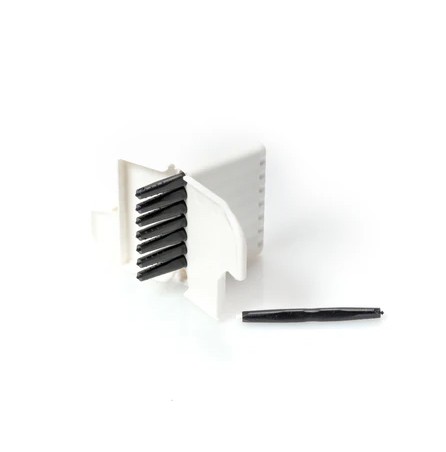
About Hearing Aid Cleaning Tools
Having the right hearing aid cleaning tools makes a difference in your daily routine. Choosing tools made specifically for hearing aids ensures your device remains protected and lasts longer—generic household tools or abrasive cloths can scratch or damage sensitive parts, affecting sound quality and reliability.
Specialized cleaning kits often include:
- Soft Brushes: Designed to safely clear debris from microphones and small crevices without damaging components.
- Vent Cleaners and Wires: Useful for clearing blockages in earmolds and tubing.
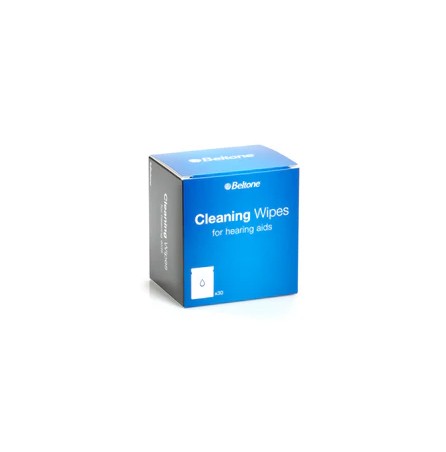
- Cleaning Wipes and Sprays: Alcohol-free options that sanitize surfaces gently.
- Tool Storage Case: Keeps your tools safe, organized, and easy to find.
For guidance on which cleaning tools or kits are suitable for your device, speak with your hearing care partner or visit Beltone's cleaning supplies selection.
Weekly Cleaning Instructions
A weekly deep clean keeps your hearing aids comfortable and sanitary, especially if you wear them throughout the day in various environments.
Deep Cleaning Steps
- Prepare: Wash your hands and, if preferred, use disposable gloves for added hygiene.
- Use a Safe Cleaning Solution: Wipe your hearing aids with a 70–90% alcohol solution (such as isopropyl, methyl, or ethanol), or a specialized cleaning spray and cleaning wipes designed for hearing aids.
- Wipe and Dry: Use a clean cloth to remove any visible debris and allow the devices to dry completely before use.
- Reassemble: When cleaning is complete, verify that each piece is correctly placed and connected before powering on.
Tip: Never submerge your hearing aids in any liquid. Only use a specialized cleaning system designed for hearing aids if additional sanitation is needed.
How to Care for Your Hearing Aids: Tips
Beyond regular cleaning, these daily practices can help your hearing aids stay in great shape.
- Professional Checkups: Schedule regular visits with your hearing care professional for professional cleaning and to check for any hidden issues.
- Avoid Moisture or Heat: Store your hearing aids in a cool, dry place. Avoid wearing them in the shower, swimming pool, or while using hair dryers and sprays. If you live in a humid area or notice excess moisture, ask your provider about dehumidifiers or silica-based drying kits.
- Handle With Care: When removing your hearing aids, place them in a secure container to prevent accidental drops, loss, or damage.
- Battery Maintenance: Open the battery door at night to let moisture escape, and remove the battery entirely if you won't use your hearing aids for a day or more. Always use the recommended battery size for your devices.
Common Mistakes to Avoid
- Skipping regular cleanings: A quick daily wipe and weekly deep clean are essential. Making cleaning part of your routine—like brushing your teeth—helps keep your hearing aids comfortable and clear.
- Not checking batteries or charging regularly: Try to check battery levels each evening and make sure devices are charging overnight if needed. Keep spare batteries or your charger in a consistent spot.
- Handling devices with wet or dirty hands: Moisture and debris can damage sensitive electronics. Wash and dry your hands before handling your hearing aids.
- Wearing hearing aids in the shower or swimming: Even if your devices are weatherproof, most hearing aids are not designed for direct water exposure. Remove them during showers, swimming, or heavy rain.
- Neglecting regular professional checkups: Small fit or sound issues can become bigger problems if left alone. Regular visits with your hearing care partner keep your devices performing their best.
- Getting discouraged by initial discomfort: It is common for hearing aids to feel unusual at first, or for familiar noises to sound different. Adjustment takes time, and small changes from your provider can make a big difference.
- Forgetting to store hearing aids safely at night: Place your hearing aids in their designated case—not loose on a bedside table—to protect them from dust, pets, and accidental falls.
Everyone makes occasional mistakes while learning new routines. Your hearing care partner is always ready to answer questions, walk you through solutions, and help you get back to connecting with the world around you.

Frequently Asked Questions (FAQ)
This article is for informational purposes only and does not constitute medical advice. If you have questions about caring for your hearing aids, consult your hearing care provider.

Online Hearing Test
